Advertisement






The Gulf conflict has disrupted global supply chains, pushed...
REITs have changed the way commercial real estate is owned a...
What really powers the cloud? Behind every Google search, A...
What really powers the cloud? Behind every Google search, A...
Luxury real estate is one of the most talked-about segments ...
16 Oct 2026
A locality's transformation often becomes visible long before it earns a reputation as a real estate hotspot. New cafés, gyms, schools, upgraded roads and expanding public transport can indicate changing demographics, rising demand and growing investment. However, individual developments do not always signal sustained growth. The more meaningful indicators emerge when commercial activity, infrastructure improvements, residential construction and essential services begin developing together. For homebuyers, investors and residents, recognising these everyday changes can offer useful insights into a neighbourhood's direction, liveability and potential real estate demand.Read more

15 Oct 2026
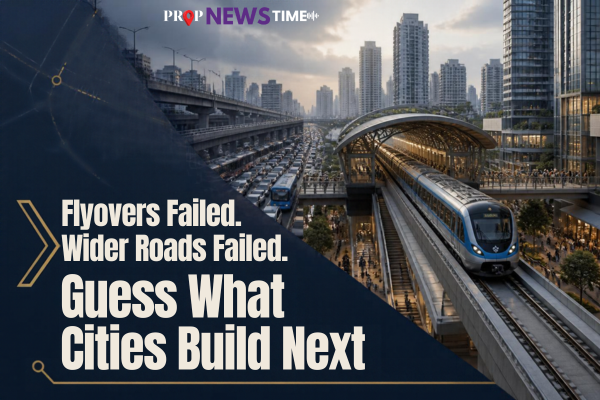
From Victorian London to present-day Indore, cities keep arriving at the same answer when their roads run out of room. Here are eight reasons a metro is less a choice and more a stage of growing up. On 10 January 1863, Londoners queued up to ride a smoky, gas-lit train running beneath their own streets. The idea had been mocked in the music halls and nicknamed "the Drain". It still carried more than nine million passengers in its first year. London built it for one plain reason: horse-drawn traffic was choking the city and hurting business.Read more
14 Oct 2026
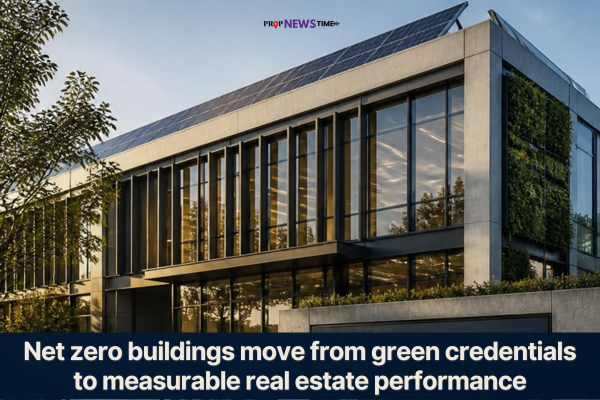
Buildings and construction use about a third of the world's energy and produce a third of its carbon emissions. A net zero building answers that by generating as much clean energy as it consumes over a year. This piece explains how that balance works, why smart design matters more than solar panels, and how India's first net zero building has done it in Delhi since 2014. It also looks at the coming surge in air conditioning demand, the hidden carbon in cement and steel, the case for retrofitting old buildings, and the rent premiums of up to 24 per cent that green offices now command. It closes with an honest look at how far India still has to go before its 2070 net zero target.Read more

13 Oct 2026
Artificial intelligence is changing how property values can be estimated, with Automated Valuation Models (AVMs) using large datasets, machine learning and statistical models to produce valuations at speed and scale. Traditional appraisals, meanwhile, continue to rely heavily on professional judgement, comparable evidence, property inspections and local market knowledge. The difference is no longer simply between technology and humans. Increasingly, the real estate industry is exploring where algorithms can improve efficiency and consistency, while human valuers remain essential for complex assets, unusual circumstances and professional oversight. The future could lie in combining both approaches.Read more

12 Oct 2026
Neuroarchitecture is bringing neuroscience and environmental psychology into the way buildings and urban spaces are designed. Instead of focusing only on appearance, functionality and efficiency, the approach considers how light, sound, greenery, spatial proportions, movement, views and material choices can influence human behaviour and wellbeing. Circadian lighting, biophilic planning, restorative spaces and carefully designed layouts are increasingly finding applications across workplaces, healthcare, hospitality, education and residential developments. As developers compete to create healthier and more experience-driven environments, understanding how people respond to space could become an increasingly important part of the real-estate design process.Read more

Advertisement






11 Oct 2026
India’s real estate sector is moving beyond conventional green-building certifications towards net zero buildings that target measurable reductions in energy, water and whole-life carbon emissions. The approach combines energy-efficient design, renewable power, wastewater recycling, rainwater management and low-carbon construction materials. As global occupiers and institutional investors increasingly assess environmental performance, net zero standards could influence tenant demand, operating costs, financing and long-term asset value. The shift also places greater emphasis on operational data and lifecycle performance, making decarbonisation an increasingly important consideration for developers and property owners.Read more
10 Oct 2026
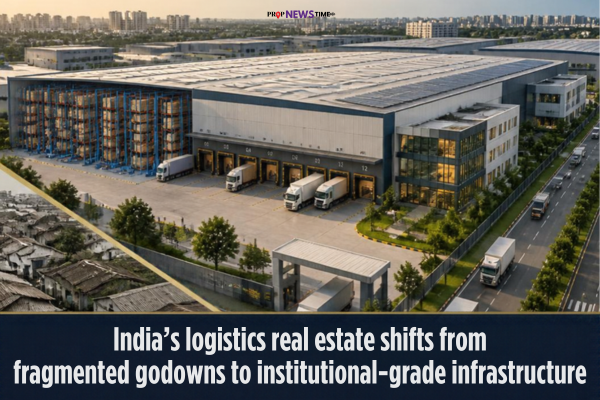
India’s logistics and industrial real estate sector has undergone a structural transition from fragmented, unorganised warehousing towards institutional-grade logistics parks and technology-enabled industrial assets. The shift has been supported by policy initiatives such as PM Gati Shakti and the National Logistics Policy, alongside the expansion of dedicated freight corridors, expressways and multimodal logistics infrastructure. As manufacturing, e-commerce, third-party logistics and quick-commerce networks expand across major metros and emerging consumption centres, strategically located warehouses and fulfilment facilities are increasingly being treated as investible real estate assets rather than simply storage infrastructure.Read more
09 Oct 2026
High-speed rail is often measured by the hours it saves passengers, but its impact can extend far beyond faster journeys. By improving accessibility between cities, HSR can influence where businesses locate, how land is developed, how property markets evolve and how smaller urban centres connect with major economic hubs. India's Mumbai–Ahmedabad High-Speed Rail corridor illustrates this broader potential, with 12 planned stations linking major commercial and industrial centres across Maharashtra, Gujarat and Dadra & Nagar Haveli. Its effects could extend to employment, tourism, logistics, real estate and regional development.Read more

08 Oct 2026
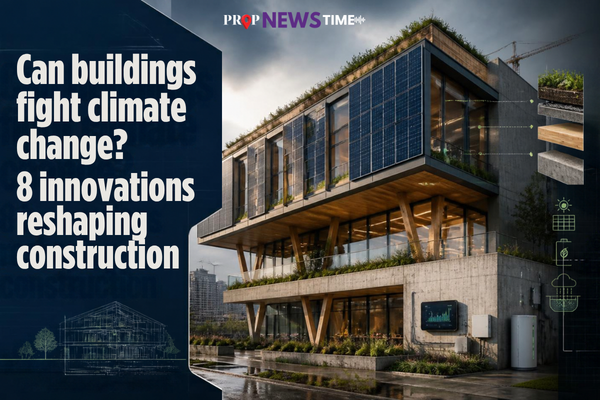
Buildings are no longer viewed only as consumers of energy and materials; they are increasingly becoming part of the climate solution. From low-carbon concrete and engineered timber to passive cooling, building-integrated solar systems and circular construction, new approaches are changing how structures are designed, built and operated. With buildings and construction accounting for a significant share of global energy use and carbon emissions, the industry faces growing pressure to reduce both operational and embodied emissions. These innovations could help create buildings that consume less, waste less and withstand a changing climate.Read more
07 Oct 2026
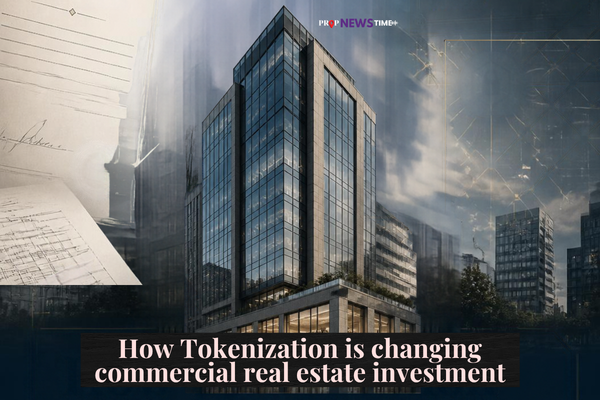
Commercial real estate Tokenization uses distributed ledger technology to create digital representations of ownership interests, economic rights or debt claims linked to property investments. In many structures, the underlying property remains held through a legal entity while tokens represent interests connected to that entity or asset. The model combines conventional property and securities law with blockchain-based records and smart contracts. Tokenization can enable fractional investment and automate parts of investor administration, but the tokens remain subject to applicable securities, transfer, identity and trading requirements. The exact legal structure varies by jurisdiction and the rights attached to each token.Read more
Advertisement








