Advertisement






))
19 Sep 2025
An Expression of Interest (EOI) is not a sale. A full-page ad is not a guarantee. A viral 'sold out in 48 hours' headline may be nothing more than clever timing and a cleverer spin. Urgency, experiences, and 'exclusive opportunities' are packaged like FOMO shots, quick, shiny, and designed to bypass your better judgement. You don't change your analysis because the music got louder. Hype will pass. Contracts will remain. Let the facts set the pace, not the reels. Let the basics guide your decision, not the glitz.Read more

22 Aug 2025
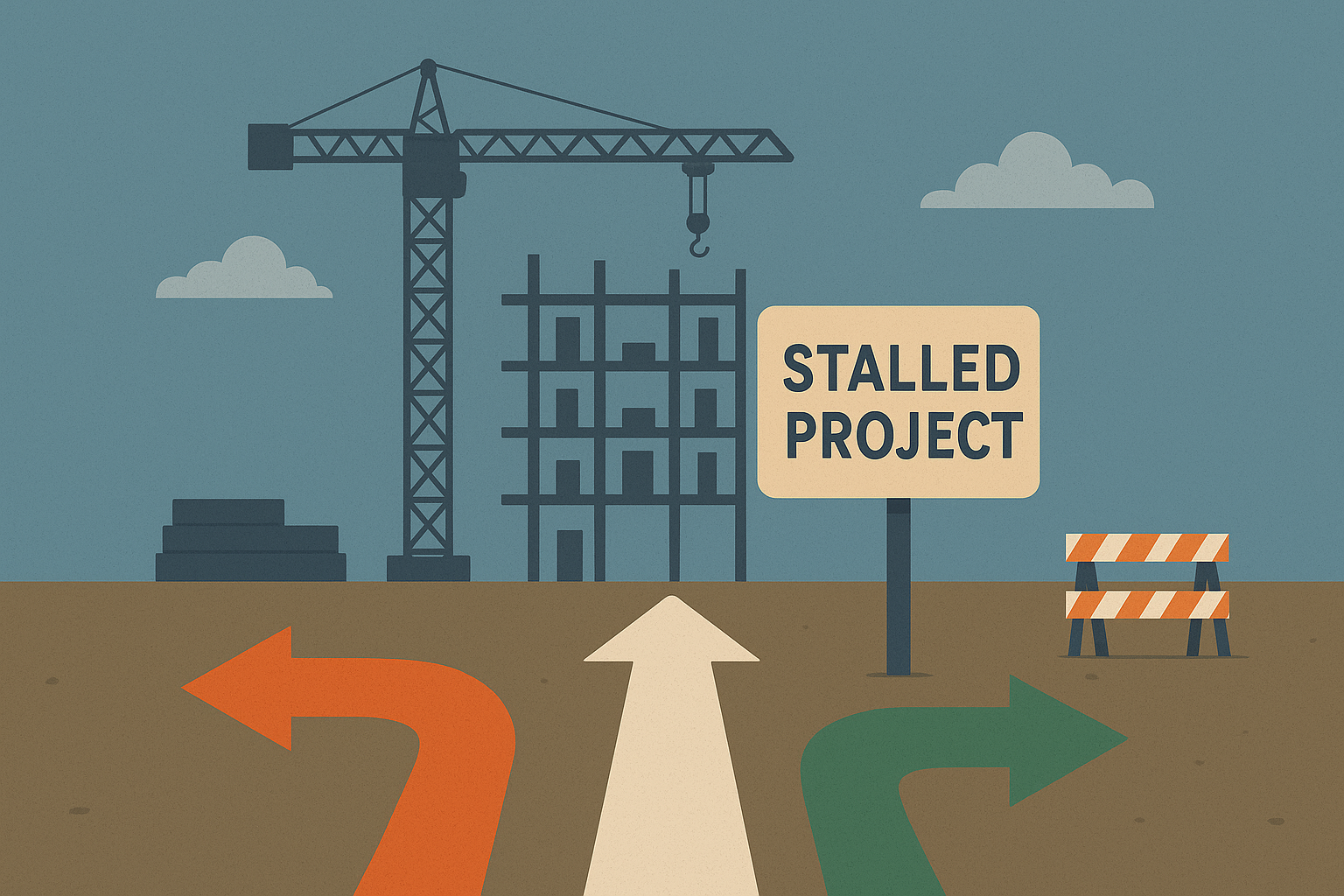
Even when finances are steady and paperwork is flawless, a home can remain stuck in a stalled project due to delays, mismanagement, or external setbacks. But this is not the end. RERA gives buyers the power to file complaints, seek refunds, demand compensation, or push for project completion. Other paths include consumer courts, arbitration, bankruptcy proceedings, and the Competition Commission of India. With schemes like SWAMIH also in place, buyers now have multiple avenues to recover investments and move forward.Read more
11 Jul 2025
Because when we tell that story right, we don't just build brands. We build belief. We foster trust, clarity, and a reason to truly stay.Read more

20 Jun 2025
Because in the end, real estate is never just about where we are.
It's about who we are becoming...Read more

02 Aug 2025
"Every dream has a cost. The question is, will you pay it wisely, or blindly?" - Abhay RaoRead more

Indian retail real estate stands at a decisive turning point between sustainability and smart technology. With urbanisation set to reach 38% by 2030 and retail space demand projected to cross 80 million sq. ft. by 2028, the sector must evolve fast. Sustainability is no longer optional; India’s green building footprint has doubled to over 13 billion sq. ft., showing that energy-efficient design now drives profitability and brand value. At the same time, smart technology - from IoT-based energy systems to predictive consumer analytics- is redefining how malls and retail parks operate. For developers and brands alike, the future lies in creating intelligent, low-impact, high-experience ecosystems. Those who integrate sustainability and technology today will shape the resilient, experience-driven retail landscape of tomorrow.
28 Nov 2025
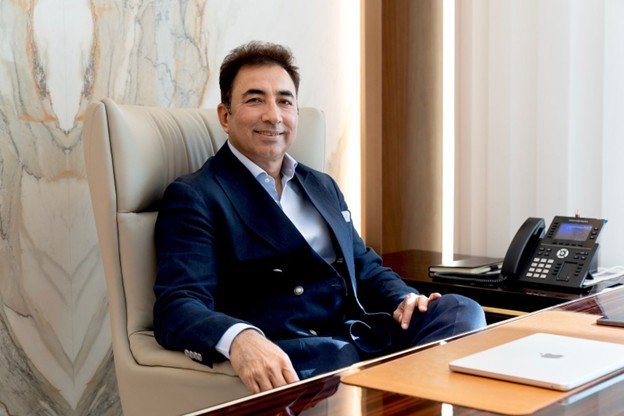
While a rate cut would have provided a much-needed boost to the affordable and mid-range housing, the current market dynamics suggest that homebuyers in Thane are driven more by long-term confidence than short-term rate fluctuations.
The absence of a rate cut by RBI might result in some challenges for Thane's residential real estate, which is among the fast-growth property hubs in the Indian real estate market. "However, the demand for homes is expected to remain steady, driven by factors beyond interest rates,"
07 Aug 2025
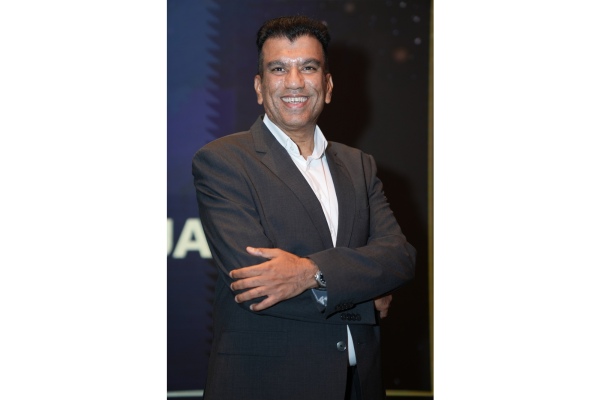
With the festive season around the corner, Thane's real estate developers are focussed on sustaining market momentum by being customer centric.
Stakeholders in Thane real estate mentioned offering of attractive deals and flexible payment plans by a segment of Thane real estate developers. "Being responsive to market conditions has been the hallmark of Thane property market,"
07 Aug 2025

RBI's decision to maintain a status quo on the policy rate reinforces stronger purchasing sentiment for homebuyers, especially during the festive season. The unchanged repo rate translates into sustained interest rates, which in-turn may encourage a larger segment of homebuyers to plan their investments through financing. The continued policy transmission of earlier rate cuts is gradually easing EMIs, reinforcing buyer confidence and making homeownership more accessible.
07 Aug 2025
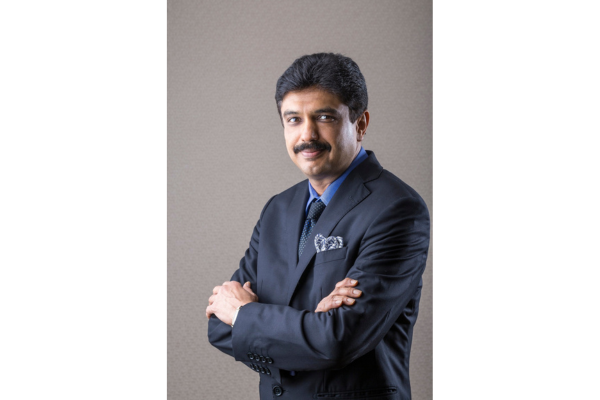
The RBI's decision to maintain the repo rate at 5.5% despite easing inflation reflects a cautious yet balanced approach to managing global headwinds and domestic stability. For the real estate sector, a status quo on rates ensures continued momentum in homebuyer sentiment and sustains the affordability factor in housing. However, given the moderating inflation and macroeconomic uncertainties, the industry looks forward to a calibrated rate cut in upcoming reviews to further support growth, especially in the affordable and mid-income housing segments.
07 Aug 2025

14 Dec 2025
In commercial real estate, value is no longer defined by space alone but by trust built through consistent performance. This article highlights how facility management plays a central role in creating operational reliability that tenants and investors depend on daily. From stable indoor air quality and seamless technology to proactive maintenance, security and sustainability practices, FM teams quietly ensure buildings deliver on their promises. These behind-the-scenes efforts influence tenant satisfaction, lease renewals and long-term asset value. As offices become smarter and more ESG-focused, trust has emerged as a key differentiator. Ultimately, a lease represents confidence in how a building is run, making facility management a critical driver of modern commercial real estate success.Read more
14 Dec 2025
Mumbai’s rapid infrastructure expansion—driven by new metro routes and the evolving coastal road network—is reshaping suburban real estate. Faster travel across the city, with commute times on key stretches dropping from 90 to about 30 minutes, has boosted demand in areas like Andheri, Goregaon, Chembur and the Bandra–Khar–Santacruz belt. Improved accessibility, better lifestyle amenities and stronger investment prospects are drawing more homebuyers and professionals to the suburbs. Real estate near metro stations is commanding a premium, while the coastal road is unlocking new development potential along the western waterfront. Together, these projects are fuelling transit-oriented growth, elevating liveability and supporting Mumbai’s long-term urban development vision.Read more

13 Dec 2025
Uttarakhand’s economic landscape is undergoing a transformation that would have been hard to anticipate a decade ago. The Haridwar–Kashipur stretch, traditionally associated with pilgrimage movement and seasonal tourism, is now drawing attention from manufacturers, logistics operators, and a new category of homebuyers responding to the region’s rising prominence. This shift has not been triggered by a single reform or headline-making announcement, but by the cumulative impact of supportive state measures, improved connectivity to northern markets, and a natural and social environment conducive to long-term investment.Read more

07 Dec 2025
The Sion-Dharavi region, historically recognised for its dense population and bustling informal industries, is now advancing through one of Mumbai's most ambitious urban renewal efforts. With the Dharavi Redevelopment Project progressing in phases and Sion's connectivity strengthened via major road corridors and upcoming metro links, the locality is evolving into a high-value growth zone. Market expectations suggest a rise in residential and commercial absorption driven by rehabilitated families, new homebuyers, retailers, and SMEs. Urban experts, however, have indicated that the long-term success of the redevelopment will depend on sensitive execution that safeguards livelihoods while enabling large-scale modernisation.Read more
07 Dec 2025
Mumbai's ongoing infrastructure overhaul has significantly altered suburban growth patterns, with metro corridors and coastal road projects reshaping daily mobility and influencing real estate activity across the city. Over the past two years, the rapid expansion of the metro network-most notably Lines 2A, 7, and the recently added Aqua underground corridor-has sharply reduced commuting time between the western suburbs and South Mumbai. Improved accessibility has attracted professionals and families to suburbs such as Andheri, Goregaon, Chembur, and the Bandra-Khar-Santacruz belt, fuelling demand, capital appreciation, and enhanced lifestyle choices in emerging transit-oriented districts.Read more
Advertisement


17 Feb 2025
Three key factors impact real estate business cycles: market sentiment, wealth perception, and disposable income. If the market sentiment is positive, disposable income is rising and wealth is appreciating, then its a shoo-in and we would be witnessing a boom. If two are positive, the market stays stable, but with only one, challenges arise. India's housing market saw record sales in H1 2024, but early 2025 faces economic uncertainties. A stock market downturn has eroded wealth and weakened confidence, signalling bearish sentiment. While tax incentives and repo rate cuts support home purchases, only one of the three key factors is in the green, suggesting that real estate demand may remain sluggish until there is an improvement in market stability and financial confidence.Read more

10 Feb 2025
Should residents bear the cost of amenities they do not use? Modern residential complexes increasingly offer extensive facilities, yet their construction and maintenance expenses are typically distributed equally among all residents, regardless of usage. This approach raises concerns of fairness, particularly for those who derive little to no benefit from such amenities. A more equitable solution lies in a usage-based model, where costs are allocated in proportion to actual consumption. This ensures sustainability, fosters responsible usage, and prevents unnecessary financial burden on non-users. Prospective homebuyers must carefully assess whether long-term costs align with their lifestyle rather than being swayed by amenities’ initial appeal.Read more
03 Feb 2025
India has experienced a dramatic increase in vehicle ownership, rising from 7 million cars in the early 2000s to 30 million by 2020, with projections suggesting up to 60 million by 2030. This surge has prompted the evolution of parking solutions, shifting from traditional garages to advanced mechanised systems. However, these innovations often compromise user convenience and accessibility, particularly in luxury residential complexes. Enclosed garages remain the gold standard, while enclosed and open parking spaces with direct access are preferable to fully automated systems, which are costly and inconvenient. As electric vehicles (EVs) gain popularity, parking solutions that can adapt easily to future needs will hold greater value than mechanised alternatives reliant on technology.Read more

27 Jan 2025
The evolution of real estate promotion highlights the need for focused marketing strategies over traditional mass communication and generalized digital campaigns. While analog methods like billboards and digital media offer wide reach, they often result in wasted effort due to their "machine gun" approach, creating either a cacophony or white noise. Instead, real estate advertisers should target niche audiences through property expos, seminars, real estate-focused platforms, and influencer networks, such as architects or mortgage lenders, who interact closely with potential buyers. By aligning relevant messaging with receptive audiences, businesses can enhance brand awareness, drive meaningful engagement, and optimize conversions in the real estate sector.Read more
06 Jan 2025
An often overlooked aspect of any building is the vertical transportation systems it offers. It is seldom brought up when debating the merits and demerits of a property. Elevators, escalators, staircases, and moving walkways are some examples of vertical transportation found in residential and commercial buildings. As urban cities in India witness a rapid surge in high-rise constructions, it becomes crucial to understand the mechanics of vertical transportation systems within buildings. While educating users on basic practices-such as correctly operating lift buttons or avoiding regular lifts during a fire-would be ideal, the onus lies on builders and developers to implement essential safety measures.Read more

Global Capability Centres (GCCs), also known as global in-house centres or captives (GICs), are offshore centres established by firms to provide various services to their parent organisations. These centres operate as internal organisations within the global corporate structure, providing specialised capabilities such as IT services, research and development, customer support, and other business tasks. GCCs and GICs are critical in leveraging cost efficiencies, accessing talent pools, and encouraging collaboration between parent businesses and their offshore affiliates.
An adjustable-rate mortgage (ARM) refers to a home loan with a variable interest rate. With such loans, an initial interest rate is fixed for a stipulated period of time, after which the interest rate applicable on the outstanding balance varies. The rate is reset periodically, at yearly or even monthly intervals and is based on a benchmark or index, plus an additional spread called an ARM margin. ARMs are also called variable-rate mortgages or floating mortgages. ARMs generally have caps that limit how much the interest rate and/or payments can rise per year or over the lifetime of the loan.
Fixed-rate mortgage refers to a home loan that has a fixed interest rate for the entire term of the loan. Once locked in, the interest rate does not fluctuate with market conditions. Borrowers who want predictability and/or who tend to hold property for the long term tend to prefer fixed-rate mortgages. Fixed-rate mortgages may be open or closed with specific terms or may run for a length of time agreed upon by the lender and borrower.
Preferential location charge is a premium charged for superior features in a flat. These features can include but are not limited to sea views, park views, higher floors, corner flats, terrace access flats, etc. PLC charges can be calculated on a square foot basis or a slab rate.
A Construction-linked Plan (CLP) is a flexible payment method for under construction flats. The buyer initially pays a predetermined down payment, after which all subsequent pre-determined payments are made in instalments that are linked to the progress of construction.
Willis Tower, once known as Sears Tower, isn't your average office building. It held the title of world's tallest building for 25 years, a true giant in the Windy City. Built in just 3 years for USD 175 million, this Chicago marvel has a unique design thanks to the famous architectural firm Skidmore, Owings & Merrill (the same minds behind Dubai's Burj Khalifa). They designed the tower with 110 stories stacked in 9 tubes, a revolutionary approach inspired by the way engineers observed pipes stacking together. This ""bundled tube"" design not only provided structural efficiency but also resulted in a distinctive silhouette. Even though it's not the world's tallest anymore (surpassed in 1998), Willis Tower remains Chicago's undisputed champion. Tourists gather to Skydeck, where glass boxes extend outward from the building, offering unparalleled panoramic views that stretch for miles. The weight of Willis Tower is mind-boggling – it's equivalent to roughly 20,000 city buses. Additiona ...
Read more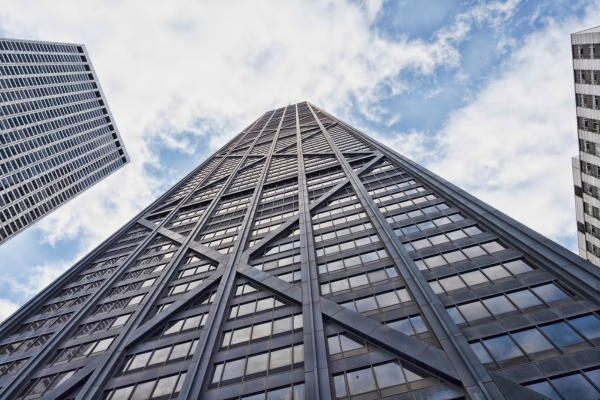
The Transamerica Pyramid is a pointy skyscraper that's become a recognisable symbol of San Francisco. This futuristic building, covered in white quartz and with over 3,000 windows, isn't just for show - it's built to be tough. It took 3 years to construct, and is specially designed to handle earthquakes, which are common in California. Believe it or not, when they first released plans for this pyramid in the 1960s, people were not happy about it. Some thought the sleek, modern design looked weird next to the older buildings in the city. They even said it looked more like something you'd see in Las Vegas. But things have changed. Today, the Transamerica Pyramid is a beloved symbol of San Francisco's love for new ideas and progress. Even though it's not the tallest building in the city anymore (since 2018), the Transamerica Pyramid is still a source of pride for San Francisco folks and a must-see for tourists. Fun Fact: The cool pyramid design was thought up by a famous architect named ...
Read more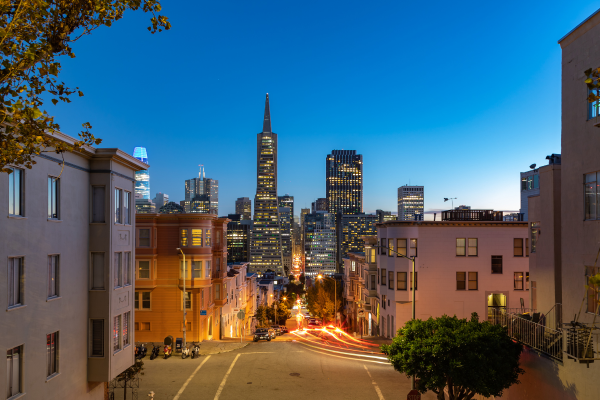
Towering over the Kuwait City skyline, the Al Hamra Tower is an example of innovation and a proof of modern design. This skyscraper, constructed over six years at a cost of a reported USD 500 million, currently holds the title of the tallest building in Kuwait and has another impressive feat: it's the world's tallest sculpted and stone-clad building. But the Al Hamra Tower offers more than just height and record-breaking titles. This multi-purpose marvel integrates office spaces, a luxurious health club, and a convenient shopping mall within its unique form. The design itself is a masterpiece by the renowned architectural firm Skidmore, Owings & Merrill. Inspired by the flowing lines of traditional Kuwaiti garments, the Al Hamra Tower's asymmetrical shape isn't just visually striking; it serves a clever purpose. This innovative twist maximises breathtaking views of the Arabian Gulf for occupants, while simultaneously minimising the building's exposure to the strong desert sun, a brill ...
Read more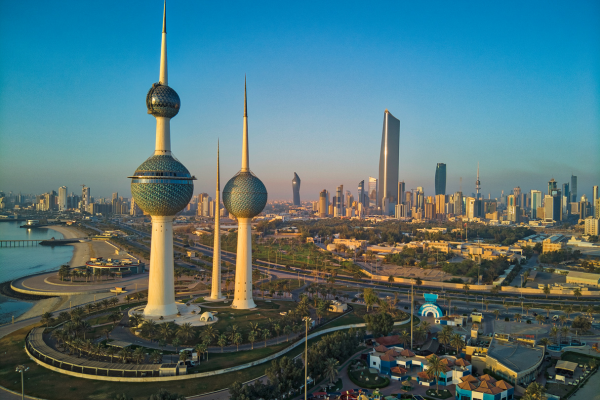
Marina Bay Sands Hotel in Singapore isn't your typical hotel – it's a luxurious integrated resort that's become a global phenomenon. This architectural masterpiece, designed by renowned architect Moshe Safdie and constructed at USD 5.7 billion, isn't just one building, but three 55-story towers leaning towards each other. These towers are connected by one-hectare rooftop terrace, aptly named the SkyPark, offering panoramic views of the city. But the magic of Marina Bay Sands truly unfolds within its walls (and on its roof). Take a dip in the world's largest rooftop infinity pool, stretching an incredible 150 meters and offering an unforgettable infinity edge overlooking the city. Fun fact: The design of the Marina Bay Sands Hotel was inspired by a deck of cards, with the three hotel towers representing stacked playing cards. Interestingly, the SkyPark was originally envisioned as a public garden, but the design was later changed to include leisure and entertainment facilities. Des ...
Read more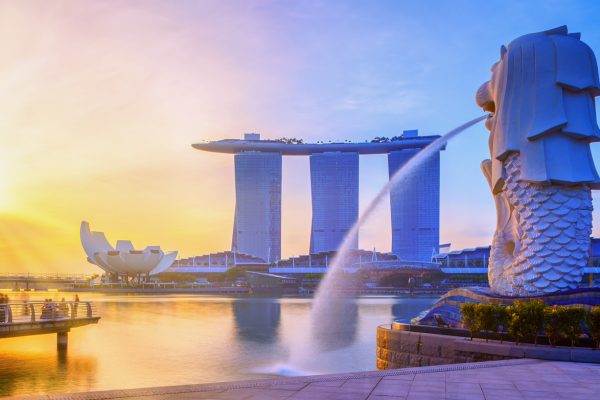
Moscow's business district features a unique sight: the Evolution Tower. Unlike the traditional architecture nearby, this neo-futurist marvel stands out with its twisted design, seemingly defying gravity. Originally known as the Wedding Palace and City Palace, the tower has embraced a forward-looking identity. Architect Tony Kettle and artist Karen Forbes conceived the tower's groundbreaking design in 2004, but construction didn't begin until 2011. Rising 55 stories high, the tower's facade is its most striking feature. Each floor subtly rotates by 3 degrees, creating a mesmerizing spiral effect reminiscent of a DNA strand. The design is symbolic of the tower's name, Evolution Tower, because it keeps changing. Beyond its exterior, the tower houses a multi-level complex with office spaces, a shopping mall, a family entertainment centre, and direct access to a metro station. Fun Fact: The Evolution Tower's front uses advanced cold-bending technology to curve its glass panels uniquely ...
Read more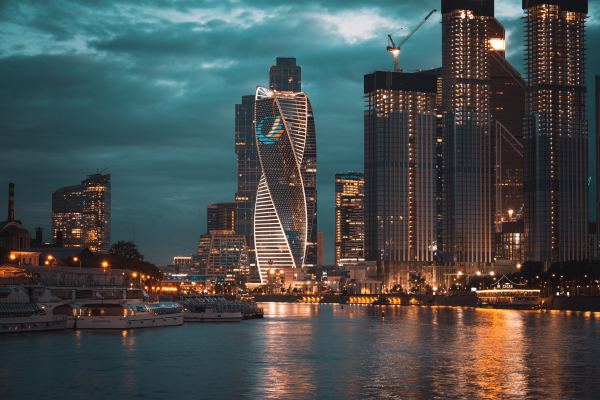
Advertisement





