Advertisement






The Sion-Dharavi region, historically recognised for its dense population and bustling informal industries, is now advancing through one of Mumbai's most ambitious urban renewal efforts. With the Dharavi Redevelopment Project progressing in phases and Sion's connectivity strengthened via major road corridors and upcoming metro links, the locality is evolving into a high-value growth zone. Market expectations suggest a rise in residential and commercial absorption driven by rehabilitated families, new homebuyers, retailers, and SMEs. Urban experts, however, have indicated that the long-term success of the redevelopment will depend on sensitive execution that safeguards livelihoods while enabling large-scale modernisation.
The Sion-Dharavi belt, long associated with compact housing clusters, thriving micro-enterprises, and its central location, is now moving towards becoming one of Mumbai's most significant redevelopment stories. With the Dharavi Redevelopment Project advancing in phases earlier this week and Sion's infrastructure network steadily strengthening, the locality is developing into a prominent growth corridor blending social upliftment, economic inclusion, and modern real estate expansion. The region has historically attracted small industries and migrant communities, a pattern that continues to influence its redevelopment dynamics today. Advertisement


For developers and investors, the emerging opportunity is considered unprecedented. Sion is already known for its strategic transport access through the Eastern Express Highway, Eastern Freeway, and its closeness to upcoming metro corridors. As redevelopment unfolds over multiple phases, the market expects new residential towers, commercial complexes, logistics clusters, and small-business centres to come up, supported by enhanced civic services and utilities. Housing demand is projected to rise not only among rehabilitated residents but also among new homebuyers seeking central connectivity and fresh social infrastructure offerings. Retailers and SMEs, too, are preparing to engage with a renewed consumer base and a more stable workforce environment.
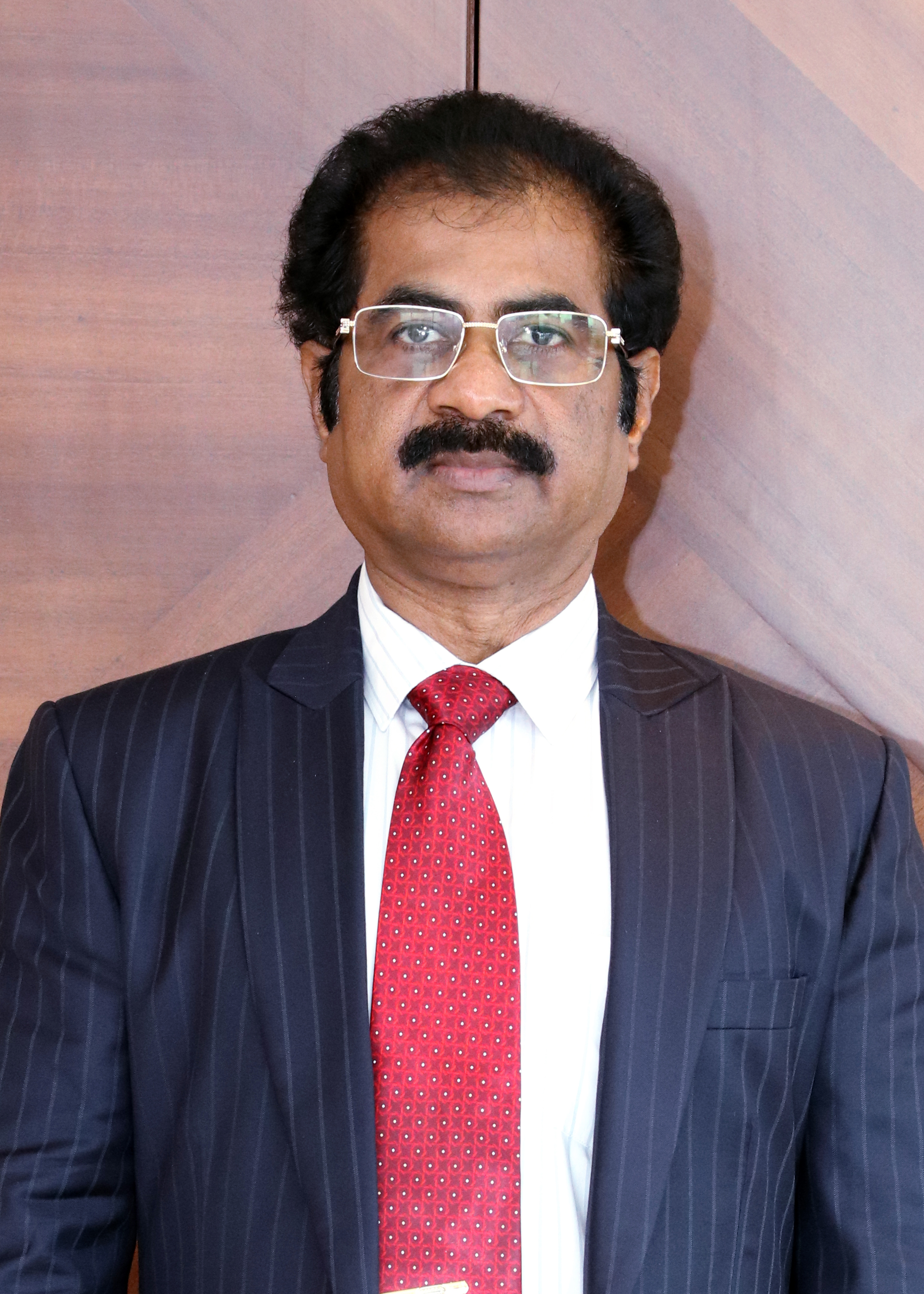
Mr Rajendra Rajan, Founder of TransIndia, mentioned earlier this week that Sion-Dharavi represents one of Mumbai's most compelling central redevelopment narratives. He indicated that the corridor provides rare development scale at the city's core and observed that developers who pursue balanced rehabilitation and commercial growth could create lasting value while maintaining existing livelihoods. He added that the outcome would depend on thoughtful and sensitive implementation.
Urban analysts have mirrored this view, emphasising that the transformation's success will rest on careful execution. They observed that Dharavi's layered economic ecosystem-comprising leather workshops, pottery units, recycling clusters, and food processing hubs-forms a substantial part of the area's economic identity. Any redevelopment, they noted, must ensure continuity for these industries through transitional workspaces, rental support, and phased construction designed to avoid disruption. They also believe investor sentiment will strengthen once early rehabilitation progress and infrastructure upgrades become visible on the ground, similar to how earlier infrastructure-led regeneration shaped pockets of central Mumbai.
The redevelopment blueprint driving this shift incorporates a multi-tiered urban design strategy that reorganises Dharavi's complex street network, enhances mobility, and introduces a structured hierarchy of public spaces. The proposal includes wider arterial roads, more navigable internal lanes, and seamless integration with Mumbai's expanding metro and rail systems. This improved connectivity is expected to reshape daily commute patterns, streamline logistics, and increase footfalls for local businesses. Accompanying this is a plan for modern social infrastructure-schools, healthcare facilities, and community hubs-aimed at improving quality of life while retaining the cultural fabric that defines Dharavi.
Despite the challenges posed by diverse land ownership patterns, high population density, and intricate social considerations, the momentum behind the transformation has been strengthening steadily in the past week. Guided by an inclusive development framework, the Sion-Dharavi belt is positioned to become a model for sustainable urban renewal. If executed effectively, it may demonstrate how some of India's most complex urban settlements can evolve into globally benchmarked, economically dynamic, and socially cohesive districts.
Disclaimer:
The views, opinions, and information expressed in this article are solely those of the author and do not necessarily reflect the views of Prop News Time. The content has not been independently verified or endorsed by Prop News Time. Readers are advised to exercise their own discretion and seek professional advice if required.

5th Jun, 2025

25th May, 2023

11th May, 2023

27th Apr, 2023
Advertisement





 Facebook
 Whatsapp