Advertisement






The Gulf conflict has disrupted global supply chains, pushed...
REITs have changed the way commercial real estate is owned a...
What really powers the cloud? Behind every Google search, A...
What really powers the cloud? Behind every Google search, A...
Luxury real estate is one of the most talked-about segments ...
26 Sep 2026
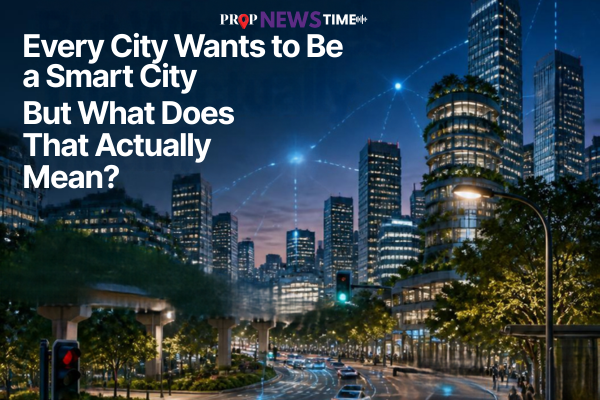
Smart cities are no longer a futuristic concept, they are becoming a necessity. As urban populations grow, cities are using technology to improve transportation, public services, sustainability, and quality of life. But a smart city is about far more than installing sensors or offering free Wi-Fi. It is about creating efficient, connected, and people-centric urban environments. Here's a closer look at why cities around the world are racing to become smarter and what that transformation really means for residents.Read more
25 Sep 2026
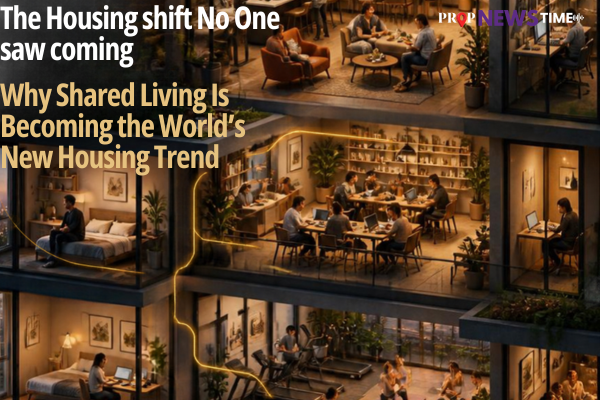
Living alone is becoming increasingly common, but so is loneliness. Around the world, rising housing costs, changing lifestyles, remote work, and the desire for stronger social connections are driving people toward shared living. From co-living spaces in major cities to intergenerational housing communities, shared living is evolving beyond a cost-saving option into a lifestyle choice. Here's why the "Loneliness Economy" is reshaping housing markets globally and what it means for residents, developers, and investors.Read more
24 Sep 2026
Flexible housing is no longer just about booking a holiday apartment for a few nights. Rising rents, remote work, changing lifestyles and housing shortages are encouraging people to choose longer-term, community-focused living arrangements. Around the world, co-living spaces are emerging as an alternative to traditional rentals and short-term accommodation platforms. Here's how flexible housing has evolved over the years, why co-living is gaining momentum, and what this shift means for residents, investors and the future of urban housing.Read more

23 Sep 2026
For decades, owning a home was considered the ultimate financial milestone. But Gen Z is rewriting that story. Faced with soaring home prices, changing work habits and different lifestyle priorities, many young adults are delaying homeownership while still influencing where, how and what developers build. From flexible rentals to co-living spaces and tech-enabled housing, their preferences are quietly reshaping the housing market. Here's how a generation that isn't buying homes is still changing real estate.Read more

22 Sep 2026
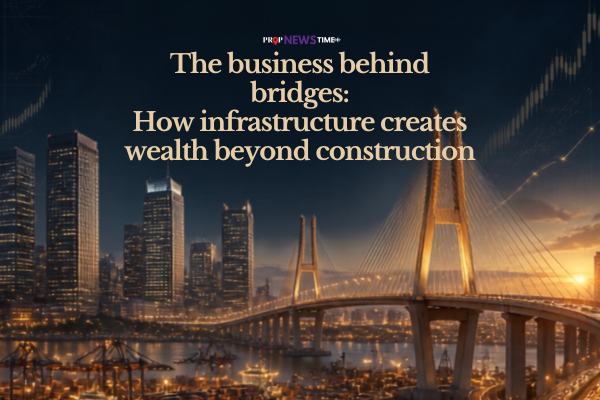
A bridge is often measured by its length, cost or engineering complexity. But its biggest impact usually begins after construction ends. Across India, major bridges have reshaped property markets, reduced logistics costs, boosted tourism, attracted businesses and unlocked entirely new economic corridors. From the Atal Setu changing Navi Mumbai's real estate outlook to the Bogibeel Bridge improving connectivity in Assam, these projects demonstrate that infrastructure creates wealth far beyond toll collections and concrete. Here are ten ways bridges become long-term economic engines rather than simply transport links.Read more
Advertisement






21 Sep 2026
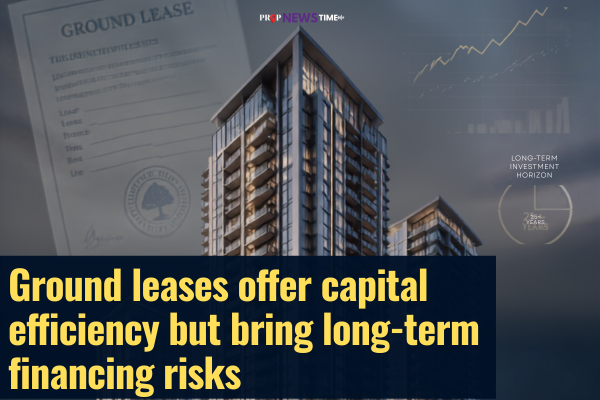
Ground leases allow developers and investors to develop and operate properties without purchasing the underlying land, creating a structure that separates land ownership from ownership of the building and leasehold interest. Typically extending for several decades, these arrangements can reduce upfront capital requirements but introduce risks around rent resets, financing availability and declining leasehold value. The distinction between subordinated and unsubordinated leases is particularly important because it determines the priority of the landowner and lender in a default. As leases approach expiry, refinancing can also become increasingly difficult.Read more
20 Sep 2026
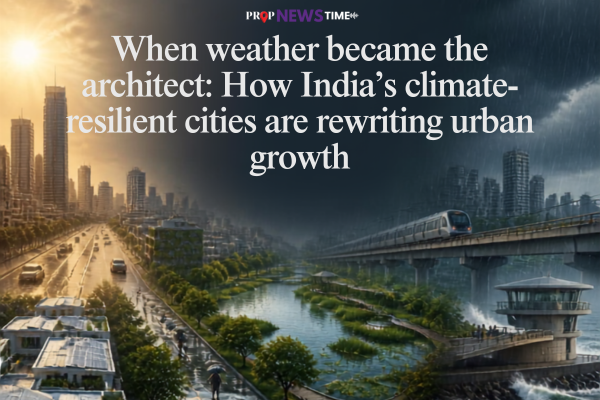
India's cities are no longer building only for growth they are building for survival. Record-breaking heatwaves, urban floods and stronger cyclones have forced governments to redesign infrastructure in ways that would have seemed unusual a decade ago. From Ahmedabad's pioneering Heat Action Plan and Chennai's massive stormwater drain network to Odisha's cyclone shelters and Mumbai's underground flood-control projects, climate resilience is increasingly shaping urban investment. These eight real-world initiatives show how Indian cities are adapting to extreme weather while protecting people, property and long-term economic growth.Read more
19 Sep 2026
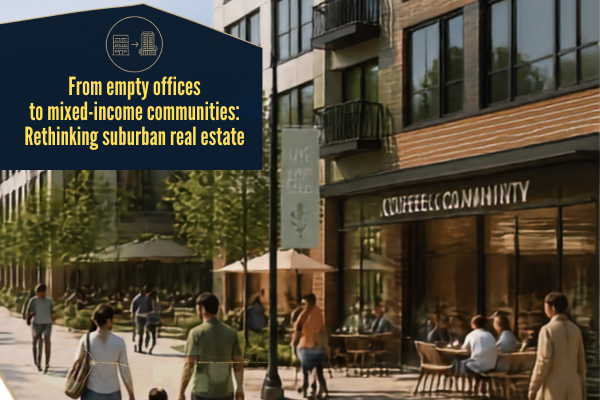
The shift towards hybrid and remote working has left some suburban office campuses underutilised, creating an opportunity to repurpose ageing commercial assets into mixed-income, transit-oriented communities. Adaptive reuse can combine office-to-residential conversions with new housing on surplus parking areas, potentially unlocking underused land while contributing to housing supply. However, successful projects depend on a detailed assessment of building geometry, natural light, structural systems, plumbing, HVAC, zoning, parking, infrastructure and financing. The most viable sites are generally those where existing buildings can accommodate residential layouts without extensive structural intervention and where local authorities support mixed-use redevelopment.Read more
18 Sep 2026
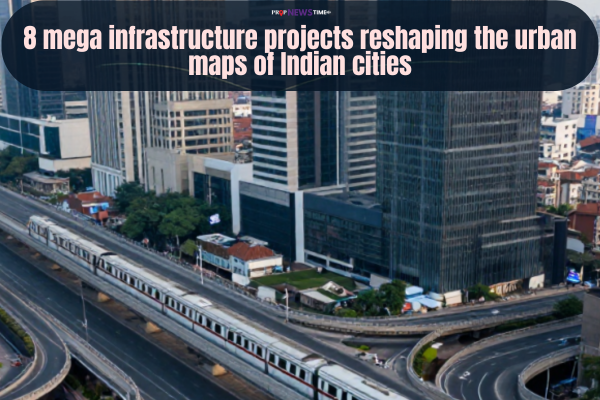
India’s infrastructure expansion is increasingly changing the geography of urban growth, with highways, high-speed rail, metro systems, ports and industrial corridors extending economic activity beyond established city centres. Projects such as the Mumbai–Ahmedabad High-Speed Rail corridor, Delhi–Mumbai Expressway, Chennai Metro Phase II, Vadhavan Port and the National Industrial Corridor Development Programme are improving connectivity between metropolitan regions and emerging economic nodes. Their influence extends beyond transport, with better accessibility potentially supporting logistics, manufacturing, commercial development, workforce housing and residential growth in peripheral and intermediate locations.Read more
17 Sep 2026
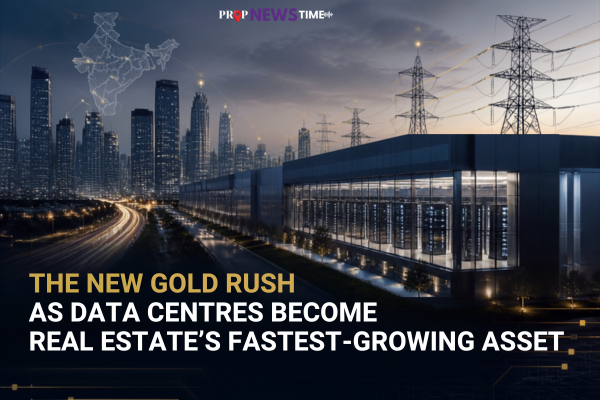
Data centres have rapidly evolved from back-end digital infrastructure into one of real estate's fastest-growing asset classes. India's operational data centre capacity crossed 1.5 GW in 2025, while JLL projects it will reach about 2.07 GW by the end of 2027, supported by cloud adoption, artificial intelligence and digital services. Unlike conventional commercial properties, these facilities depend on power, fibre connectivity and specialised infrastructure as much as location. The sector is increasingly reshaping investment strategies, land acquisition, urban development and infrastructure planning across India's property market.Read more
Advertisement








