Advertisement






The Gulf conflict has disrupted global supply chains, pushed...
REITs have changed the way commercial real estate is owned a...
What really powers the cloud? Behind every Google search, A...
What really powers the cloud? Behind every Google search, A...
Luxury real estate is one of the most talked-about segments ...
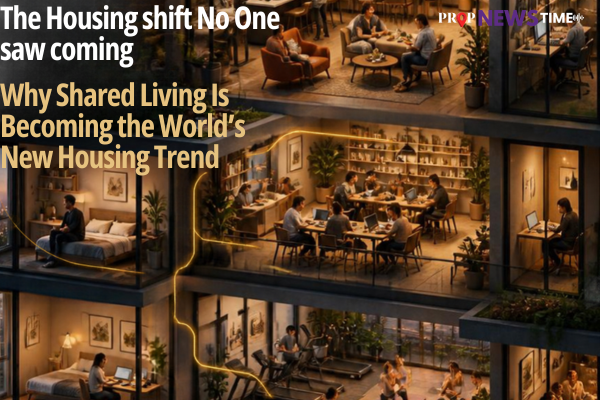
Living alone is becoming increasingly common, but so is loneliness. Around the world, rising housing costs, changing lifestyles, remote work, and the desire for stronger social connections are driving people toward shared living. From co-living spaces in major cities to intergenerational housing communities, shared living is evolving beyond a cost-saving option into a lifestyle choice. Here's why the "Loneliness Economy" is reshaping housing markets globally and what it means for residents, developers, and investors.
A decade ago, sharing a home was often seen as something people did only to save money. College students split rent, young professionals shared apartments until they could afford their own place, and then eventually moved out.
Across cities from London and New York to Singapore, Berlin, Melbourne and Bengaluru, many people are choosing shared living even when they can afford to live alone. The reason isn't just rising rents it's something less visible but equally powerful: loneliness.
Urban lifestyles have changed dramatically. More people are delaying marriage, moving away from family for work, living alone, or working remotely. While cities have become more connected digitally, many residents feel increasingly disconnected socially. Housing is beginning to reflect this new reality.
Developers are responding by creating co-living communities, shared rental homes and purpose-built residences designed to encourage interaction while still offering private personal space. This shift has given rise to what many researchers call the "Loneliness Economy"—where products, services and even housing are being shaped by people's growing need for connection.
Here are eight reasons why shared living is becoming one of the fastest-growing housing trends worldwide.
1. Living Alone Is Becoming More Common Than Ever
Household sizes are shrinking across many countries. More young professionals are moving to cities independently, older adults are aging alone, and marriage is happening later than previous generations. This demographic shift has created millions of one-person households. While independent living offers freedom, it can also reduce everyday social interaction. Shared living offers a middle ground by combining personal privacy with opportunities to build community.
2. Housing Costs Make Sharing Financially Attractive
In many global cities, housing prices and rents have risen much faster than incomes.Sharing a home allows residents to divide rent, utilities, internet costs and household expenses. Instead of sacrificing location or quality, many people choose shared accommodation that gives them access to better neighbourhoods and amenities at a lower individual cost. For many, the financial benefit is the first reason to move in but not the only reason they stay.
3. People Are Paying for Community, Not Just a Room
Modern co-living spaces are designed around interaction.Residents may have private bedrooms, but they also share kitchens, lounges, workspaces, gyms and event areas. Many operators organise community dinners, workshops, fitness sessions and networking events that help residents meet people naturally. In today's housing market, community itself has become a valuable amenity.
4. Remote Work Has Changed What People Need From Home
Working from home has blurred the line between professional and personal life. Many remote workers no longer want to spend entire days alone in small apartments. Shared living environments often provide coworking spaces, reliable internet and opportunities for social interaction without requiring a daily commute to an office. As flexible work becomes more common, housing preferences are evolving alongside it.
5. Co-Living Appeals to a Wider Range of People
Shared living is no longer aimed only at students.Digital nomads, young professionals, entrepreneurs, recent graduates, expatriates and even older adults are increasingly choosing community-oriented housing. Some developments are designed specifically for seniors seeking companionship, while others encourage intergenerational living where residents of different ages support one another. The concept has expanded to serve a much broader population than it did a decade ago.
6. Technology Makes Shared Living Easier to Manage
Digital platforms have simplified everything from finding compatible housemates to paying rent and booking shared facilities.Many co-living operators use mobile apps for maintenance requests, visitor access, community announcements and event management. Technology helps large shared communities function smoothly while giving residents greater convenience.The digital experience has become an important part of the modern shared-living model.
7. Investors and Developers See Long-Term Potential
Institutional investors are increasingly exploring co-living as part of the broader alternative residential sector.Purpose-built shared housing can generate stable rental income while addressing demand from urban renters looking for flexibility and community. Developers are also adapting existing buildings into co-living spaces in cities where housing demand remains strong and land is limited.Although the business model varies by market, interest in the sector continues to grow.
8. Shared Living Reflects a Bigger Social Shift
The rise of shared living isn't simply about real estate—it's about changing lifestyles.People increasingly value experiences, flexibility and meaningful social connections alongside affordability. While living alone remains an important choice for many, others are actively seeking housing that helps reduce isolation and encourages everyday interaction.As cities continue to grow, homes are evolving from private shelters into places that also foster belonging.
The growth of shared living reflects more than changing housing economics—it highlights changing human needs. In an era where loneliness has become a recognised social challenge in many countries, housing is increasingly being designed to create opportunities for connection. Co-living communities, shared homes and community-focused developments offer practical solutions to rising housing costs while addressing the desire for social interaction. As urban populations continue to expand, the future of housing may be defined not only by where people live, but also by how they live together.
Sources: World Health Organization (WHO),OECD,UN,JL

17th Nov, 2026

17th Nov, 2026


17th Nov, 2026




17th Nov, 2026


17th Nov, 2026
Advertisement








 Facebook
 Whatsapp

