Advertisement






The Gulf conflict has disrupted global supply chains, pushed...
REITs have changed the way commercial real estate is owned a...
What really powers the cloud? Behind every Google search, A...
What really powers the cloud? Behind every Google search, A...
Luxury real estate is one of the most talked-about segments ...
05 Nov 2026
Bengaluru's café culture is expanding beyond its traditional commercial centres, with neighbourhoods such as HSR Layout, Koramangala, Indiranagar and Whitefield attracting coffee lovers, remote workers, startup founders and young professionals. These districts combine specialty coffee, casual dining, work-friendly spaces and residential convenience, creating new social hubs beyond the city's established shopping streets. As Bengaluru's commercial activity spreads across multiple neighbourhoods, cafés are becoming part of a wider shift in how people work, socialise and experience urban spaces.Read more

04 Nov 2026
HSR Layout, or Hosur-Sarjapur Road Layout, is a popular residential destination in Bengaluru, known for its planned streets, startup ecosystem and proximity to major technology hubs. However, living conditions can vary across its seven sectors, making it important for prospective tenants to assess individual properties before signing a lease. Water supply, monsoon waterlogging, commercial noise, peak-hour traffic, mobile network reception and power backup can influence everyday convenience. Parking arrangements and building facilities also differ between standalone apartments and gated communities. Understanding these neighbourhood-level factors can help tenants compare rental properties and make a more informed decision.Read more

03 Nov 2026
Jaipur and Kolkata are home to historic markets shaped by regional craftsmanship, traditional trading communities and the evolution of urban commerce. Jaipur's bazaars are associated with jewellery, gemstones, lac bangles, leather footwear, textiles and stone carving, reflecting the city's planned market streets and artisan traditions. Kolkata's markets combine colonial-era shopping architecture with long-established wholesale and retail trading districts. From Jaipur's Johari Bazaar and Tripolia Bazaar to Kolkata's New Market, Burrabazar and College Street, these commercial areas continue to be associated with specialised products and distinctive shopping experiences. Their histories also reflect the relationship between local industries, cultural practices and urban development.Read more

02 Nov 2026
Old Delhi's food culture is shaped by generations of cooks, family-run businesses and recipes that have survived changing tastes and urban transformation. From Mughlai curries near Jama Masjid to traditional parathas, freshly fried jalebis, stuffed fruit kulfi and classic chaat, the area's heritage eateries offer a glimpse into the city's culinary history. Several establishments have served customers for more than a century, turning everyday dishes into enduring local traditions. These eight destinations highlight the flavours, stories and family legacies that continue to define Old Delhi's food scene.Read more

01 Nov 2026
North Bengaluru's residential market offers families a mix of established neighbourhoods and emerging residential corridors. Beyond spacious apartments and clubhouses, the features that shape everyday family life include safe play areas, reliable security, access to schools and hospitals, green spaces, sports facilities and dependable essential services. As families compare homes across Hebbal, Yelahanka, Jakkur, Bagalur and Devanahalli, understanding these practical considerations can help them distinguish attractive amenities from features that genuinely support comfortable, convenient long-term living.Read more

Advertisement






31 Oct 2026
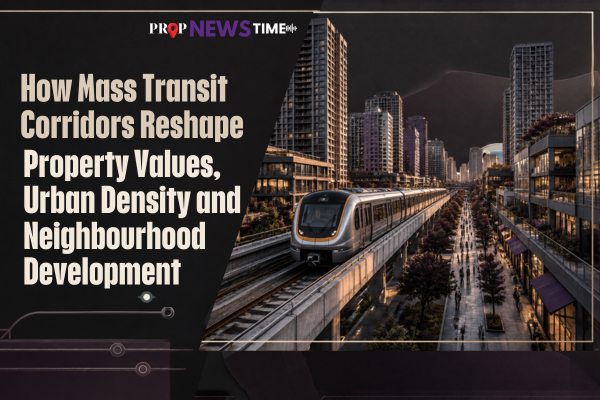
Mass transit infrastructure can influence property prices, land use, rental demand and commercial activity across neighbourhoods. Improved connectivity often makes areas around metro and other mass transit stations more attractive to homebuyers, tenants, retailers and businesses. The impact varies with distance from stations, service frequency, last-mile connectivity, local planning rules and the availability of supporting infrastructure. Transit-oriented development policies can encourage higher-density construction and mixed-use projects, while station areas may attract convenience retail, offices and rental housing. However, benefits are not uniform: properties closest to stations can also face noise, congestion and higher pedestrian activity. Understanding these differences is important for developers, investors and urban planners assessing how transport projects may shape real estate markets.Read more
30 Oct 2026
A commercial property may boast premium tenants, a prime location and impressive rental income, but these factors alone do not determine whether it is a sound investment. Institutional investors use financial metrics to assess profitability, compare assets and identify risks before committing capital. From net operating income and capitalisation rates to cash-on-cash returns and debt service coverage, these indicators reveal how effectively a property generates income, supports borrowing and delivers returns. Understanding these five metrics offers a clearer picture of what makes a commercial asset financially attractive.Read more

29 Oct 2026
As India's senior population grows, purpose-built senior living communities are emerging as an alternative to conventional housing for older adults seeking independence, safety and social connection. Unlike standard residential developments, these communities are designed around the practical needs of ageing residents, combining accessible homes, emergency support, wellness facilities and opportunities for social engagement. Their appeal lies in bringing everyday convenience and age-conscious design together within a single living environment. From barrier-free layouts to community-based activities, seven features help distinguish purpose-built senior living developments from conventional housing.Read more

28 Oct 2026
Artificial intelligence and algorithmic pricing are changing how property values are estimated, compared and monitored. Automated valuation models analyse transaction records, property characteristics, location data and market trends to generate estimates faster than many conventional methods. These tools are increasingly useful for lenders, investors, developers and real estate professionals seeking data-driven insights. However, their accuracy depends on reliable information and the ability to account for property-specific factors. From faster estimates to predictive market analysis, these eight developments highlight how technology is reshaping valuations while preserving the importance of professional judgement.Read more

27 Oct 2026
Mechanical, electrical and plumbing (MEP) systems are essential to the safety, comfort and operational efficiency of high-rise buildings. Poor design, inadequate coordination or faulty installation can lead to recurring air-conditioning problems, inconsistent water pressure, electrical faults and persistent leaks. These issues may affect residents' daily lives, increase maintenance expenses and reduce a property's long-term performance. Recognising early warning signs can help homebuyers, housing societies, facility managers and investors identify potential engineering deficiencies and seek professional assessments before minor problems develop into expensive repairs.Read more

Advertisement








