Advertisement






The Gulf conflict has disrupted global supply chains, pushed...
REITs have changed the way commercial real estate is owned a...
What really powers the cloud? Behind every Google search, A...
What really powers the cloud? Behind every Google search, A...
Luxury real estate is one of the most talked-about segments ...
Bengaluru's café culture is expanding beyond its traditional commercial centres, with neighbourhoods such as HSR Layout, Koramangala, Indiranagar and Whitefield attracting coffee lovers, remote workers, startup founders and young professionals. These districts combine specialty coffee, casual dining, work-friendly spaces and residential convenience, creating new social hubs beyond the city's established shopping streets. As Bengaluru's commercial activity spreads across multiple neighbourhoods, cafés are becoming part of a wider shift in how people work, socialise and experience urban spaces.
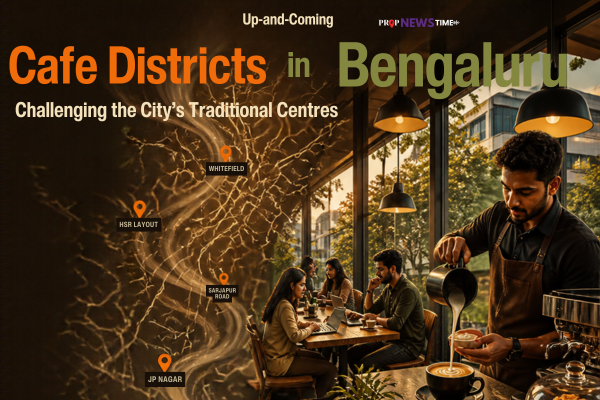
In Bengaluru, a café can be much more than a place to order a cappuccino. It can double as a meeting room for startup founders, a work desk for freelancers, a weekend hangout for friends or a neighbourhood landmark.
1. HSR Layout is turning into a café destination for Bengaluru's startup crowd
HSR Layout has evolved from a largely residential neighbourhood into a recognised startup and commercial micro-market. Its appeal lies in the concentration of professionals, entrepreneurs and flexible workspaces, creating demand for cafés where people can work, meet clients or take a break between calls.
The neighbourhood's residential catchment also helps cafés attract customers beyond conventional office hours. For operators, this creates opportunities to serve both weekday professionals and local residents. What makes it stand out: A combination of startup activity, residential convenience and demand for informal workspaces.
2. Koramangala continues to attract founders, freelancers and coffee enthusiasts
Koramangala's startup culture has helped make it one of Bengaluru's most recognisable neighbourhoods for cafés and casual dining. Founders, students, freelancers and young professionals contribute to a customer base that values comfortable seating, reliable connectivity and an informal atmosphere.
The area's appeal also comes from variety. Independent coffee shops, bakeries, casual eateries and newer food concepts compete for attention, giving customers plenty of reasons to explore beyond their usual coffee stop. What makes it stand out: A young, entrepreneurial audience and a strong culture of informal meetings and socialising.
3. Indiranagar is evolving from a nightlife hotspot into an all-day café district
Indiranagar is no longer just about restaurants, shopping and evening outings. Its established high streets, particularly around 100 Feet Road and 12th Main, also support specialty coffee shops, bakeries and cafés designed for longer visits.
Its mix of residential neighbourhoods, offices and lifestyle businesses gives cafés access to customers throughout the day. However, its popularity also means that operators must contend with competition and premium commercial rents. What makes it stand out: Strong lifestyle appeal, established high-street activity and customers willing to explore distinctive food and beverage experiences.
4. Whitefield is bringing café culture closer to technology workplaces
Whitefield's large technology and office ecosystem creates opportunities for cafés serving employees, business visitors and residents in surrounding communities. Rather than travelling to central Bengaluru for every informal meeting or coffee break, professionals can increasingly find options closer to their workplaces and homes.
The neighbourhood's mix of offices, residential developments and organised retail also supports different café formats, from quick takeaway counters to sit-down spaces for informal meetings. What makes it stand out: A large professional catchment and the convenience of combining work, errands and socialising within the same part of the city.
5. Bellandur is benefiting from its location along Bengaluru's technology corridor
Bellandur's proximity to major office clusters along the Outer Ring Road makes it a natural market for cafés catering to technology employees and business visitors. Early meetings, lunch breaks and post-work gatherings create multiple occasions for coffee and casual dining.
For café operators, the opportunity lies in matching the needs of a busy professional population without relying exclusively on office-hour traffic. What makes it stand out: Access to office workers and nearby residents, with demand shaped by the daily rhythm of the technology corridor.
6. Jayanagar is pairing established neighbourhood life with modern café experiences
Jayanagar offers a different proposition from Bengaluru's startup-centric neighbourhoods. Its established residential character, local shopping streets and community-oriented atmosphere create opportunities for cafés that become part of residents' everyday routines.
Traditional eateries and familiar food establishments remain important, but newer café concepts can appeal to younger residents and customers seeking specialty coffee, brunch menus and quieter places to meet.
7. Sarjapur Road is creating new opportunities around expanding residential communities
As residential development expands across Bengaluru's south-eastern corridor, Sarjapur Road offers opportunities for cafés serving residents who want everyday conveniences close to home. New apartment communities, working professionals and families can create demand for coffee shops, bakeries and casual dining spaces.
The opportunity is particularly relevant for neighbourhood-oriented cafés that combine takeaway services with comfortable seating and accessible pricing. However, demand can differ significantly between individual stretches, depending on occupancy, road access, competing businesses and the maturity of nearby residential projects. What makes it stand out: The potential to establish café businesses around growing residential catchments rather than relying solely on established commercial streets.
Bengaluru's café economy reflects a broader change in how commercial activity is distributed across the city. Established destinations such as Indiranagar and Koramangala continue to attract customers, while HSR Layout, Whitefield, Bellandur and Sarjapur Road benefit from professional and residential catchments. Jayanagar offers another model built around neighbourhood loyalty.
These districts should not automatically be considered more successful than traditional city centres. Their advantage is that cafés can serve different customer needs, from remote work and business meetings to everyday socialising close to home.
Sources: Cushman & Wakefield, The Economic Times, Knight Frank, Cityscope, LifeNavi


16th Nov, 2026

13th Nov, 2026


12th Nov, 2026



Advertisement








 Facebook
 Whatsapp

