Advertisement






The Gulf conflict has disrupted global supply chains, pushed...
REITs have changed the way commercial real estate is owned a...
What really powers the cloud? Behind every Google search, A...
What really powers the cloud? Behind every Google search, A...
Luxury real estate is one of the most talked-about segments ...
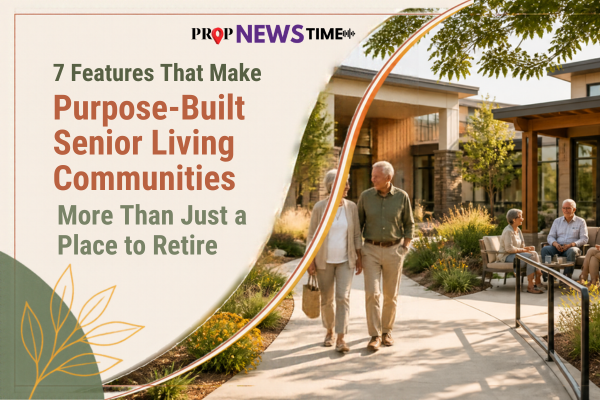
As India's senior population grows, purpose-built senior living communities are emerging as an alternative to conventional housing for older adults seeking independence, safety and social connection. Unlike standard residential developments, these communities are designed around the practical needs of ageing residents, combining accessible homes, emergency support, wellness facilities and opportunities for social engagement. Their appeal lies in bringing everyday convenience and age-conscious design together within a single living environment. From barrier-free layouts to community-based activities, seven features help distinguish purpose-built senior living developments from conventional housing.
Growing older can change what people need from their homes. Steps that once seemed manageable may become obstacles, routine errands can require assistance, and living alone may increase concerns about emergencies or social isolation. For families, finding a balance between independence and support is equally important.
Purpose-built senior living communities aim to address these challenges through specialised design, services and shared facilities. Here are seven features that can make these developments better suited to ageing residents.
1. Homes designed for safer, easier movement
Accessibility is fundamental to senior-friendly housing. Step-free entrances, wider doorways, non-slip flooring, accessible bathrooms, grab bars and well-lit corridors can reduce everyday obstacles and help residents move around more confidently.
Thoughtful layouts also minimise unnecessary level changes and provide sufficient space for mobility aids. These features support independence while reducing the risk of falls.
2. Emergency response systems when every minute matters
Medical emergencies can occur without warning, making timely assistance an important consideration. Purpose-built communities may provide emergency call buttons, wearable alert devices, staffed help desks or round-the-clock response systems.
However, the level of support varies between developments. Residents and families should confirm whether emergency assistance is available on-site, how quickly staff can respond and whether ambulance or hospital coordination is included.
3. Healthcare access that supports everyday wellbeing
Healthcare-related facilities can make routine care more convenient for older residents. Depending on the community, these may include visiting doctors, nursing assistance, physiotherapy, medication support and health-monitoring services.
Such arrangements can help residents manage everyday health needs without travelling frequently. Buyers should distinguish between basic wellness services, assisted care and specialised medical treatment, as these are not necessarily provided by every development.
4. Wellness facilities that encourage active ageing
Ageing well involves more than medical care. Walking paths, landscaped gardens, yoga areas, fitness rooms and spaces for physiotherapy can encourage regular physical activity suited to residents' abilities.
Accessible outdoor spaces also provide opportunities to spend time in nature and maintain daily routines. The most useful facilities are those that residents can access comfortably and use consistently, rather than amenities that exist only for promotional purposes.
5. Shared spaces that help residents stay connected
Social isolation can affect quality of life, particularly for people living alone or away from family. Purpose-built communities may include libraries, hobby rooms, multipurpose halls, gardens and common dining areas where residents can meet and participate in group activities.
Organised events, interest groups and recreational programmes can create opportunities for friendships and a stronger sense of belonging. The actual value depends on how actively these spaces are used and whether residents have meaningful choices about participation.
6. Daily assistance that reduces household pressures
Housekeeping, laundry, meal services, maintenance support and transport arrangements can make everyday living easier for older residents. These services may reduce the physical effort involved in managing a household and leave more time for recreation and personal interests.
Service packages differ widely, so prospective residents should check what is included in the monthly charges, what costs extra and whether assistance can be adjusted as needs change.
7. Security and support that respect independence
Security systems, controlled access, visitor management, trained staff and well-maintained common areas can help residents feel more comfortable in their surroundings. Equally important is a culture that respects privacy, personal choice and autonomy.
A well-designed senior living community should not make residents feel restricted simply because they are older. Instead, it should provide support when needed while allowing individuals to manage their own routines and decisions.
Purpose-built senior living communities combine accessible housing, safety measures, wellness facilities and support services to address the changing needs of older adults. Yet not every development offers the same level of care or convenience.
Before choosing a property, residents and families should assess accessibility, emergency arrangements, healthcare provisions, service charges and the scope of support available as needs evolve. The right community is not defined by its amenities alone, but by how effectively its design and services help residents maintain dignity, independence and social connection.
Sources: NITI Aayog, Press Information Bureau (PIB), Ministry of Housing and Urban Affairs, Ministry of Social Justice and Empowerment, World Health Organization (WHO), Department of Empowerment of Persons with Disabilities, Government of India

17th Nov, 2026

17th Nov, 2026


17th Nov, 2026




17th Nov, 2026


17th Nov, 2026
Advertisement








 Facebook
 Whatsapp

