Advertisement






The Gulf conflict has disrupted global supply chains, pushed...
REITs have changed the way commercial real estate is owned a...
What really powers the cloud? Behind every Google search, A...
What really powers the cloud? Behind every Google search, A...
Luxury real estate is one of the most talked-about segments ...
Old Delhi's food culture is shaped by generations of cooks, family-run businesses and recipes that have survived changing tastes and urban transformation. From Mughlai curries near Jama Masjid to traditional parathas, freshly fried jalebis, stuffed fruit kulfi and classic chaat, the area's heritage eateries offer a glimpse into the city's culinary history. Several establishments have served customers for more than a century, turning everyday dishes into enduring local traditions. These eight destinations highlight the flavours, stories and family legacies that continue to define Old Delhi's food scene.
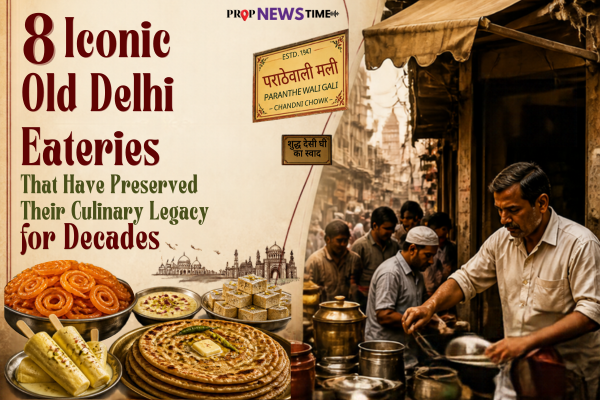
Old Delhi's narrow lanes and crowded bazaars are home to more than historic buildings and traditional markets. They also preserve a culinary heritage built around family businesses, specialised recipes and food traditions passed down through generations. Many of these establishments began as modest shops serving neighbourhood residents before becoming recognised destinations for food lovers from across Delhi and beyond.
Their longevity reflects the appeal of familiar flavours, but their histories are not identical. Some businesses have operated for well over a century, while others established their presence in Delhi after Partition or developed their reputation during the twentieth century.
From the Mughlai kitchens around Jama Masjid to the sweet shops and snack counters of Chandni Chowk, here are eight heritage eateries with histories extending well beyond 50 years.
1. Karim's, Jama Masjid - established in 1913
Few names are as closely associated with Old Delhi's Mughlai food culture as Karim's. The restaurant was established in 1913 by Haji Karimuddin near Jama Masjid, with the idea of bringing royal-style cuisine to ordinary diners. The business has since developed into a well-known restaurant brand while retaining its association with traditional meat preparations.
Its menu features dishes such as mutton korma, kebabs, qorma-style curries and khamiri roti. The emphasis is on rich gravies, aromatic spices and breads that complement the main dishes. For visitors exploring the historic neighbourhood around Jama Masjid, the restaurant offers an introduction to a style of cooking closely connected with Delhi's culinary identity.
Karim's history also reflects how family-run food businesses can evolve over generations. From its early beginnings as a small establishment, it has grown into a recognised name without losing its historical connection to the Walled City.
The original Jama Masjid location remains an important stop for those interested in Old Delhi's long-standing food traditions.
2. Old Famous Jalebi Wala, Chandni Chowk - established in 1884
Old Famous Jalebi Wala is one of Chandni Chowk's best-known destinations for traditional Indian sweets. Established in 1884, the shop has built its reputation around jalebis that are fried until crisp and then soaked in sugar syrup.
The preparation is associated with desi ghee and khandsari sugar syrup, giving the sweet its characteristic richness. Jalebis are particularly appealing when served hot, with their crisp exterior contrasting with the syrupy interior. The shop is also known for combinations involving rabri, which adds a creamy element to the dessert.
Its location in the busy Chandni Chowk area places it within a neighbourhood where sweet shops, snack vendors and traditional markets have long been part of everyday life. The experience is not limited to buying a dessert; it also offers a glimpse of the food culture that has endured alongside the area's changing commercial landscape. More than 140 years after its establishment, Old Famous Jalebi Wala remains associated with a simple preparation that continues to attract generations of sweet lovers.
3. Pt. Gaya Prasad Shiv Charan Paranthewale, Paranthe Wali Gali - established in 1872
Paranthe Wali Gali is among Old Delhi's most recognisable food lanes, and its history is closely linked with shops specialising in stuffed parathas. One of its longstanding establishments is Pt. Gaya Prasad Shiv Charan Paranthewale, which dates to 1872.
Traditional parathas are prepared by stuffing or filling dough and cooking it in a pan, often with generous quantities of fat. The shops in this lane became known for varieties extending beyond everyday potato and cauliflower fillings, with different establishments offering their own combinations and accompaniments.
A meal here is traditionally about more than the bread itself. Parathas may be served with vegetable preparations, chutneys, pickles and other accompaniments that balance their richness. The narrow lane and compact shops also preserve the atmosphere of an older style of eating out, where food businesses were woven into the surrounding market.
The establishment's long history reflects the endurance of a specialised food tradition. Despite changes in Delhi's dining habits and the reduction in the number of shops operating in the lane, Paranthe Wali Gali continues to be a significant part of the city's culinary heritage.
4. Chaina Ram Sindhi Halwai, Chandni Chowk - in Delhi since 1948
Chaina Ram's story spans the upheaval of Partition as well as the continuity of traditional confectionery. The business began in Lahore in 1901 under Lala Chainaram. Following Partition, the family brought the business to Chandni Chowk in Delhi in 1948, where it established a new chapter in its history.
The shop is especially associated with Karachi halwa, a confection known for its glossy appearance and chewy texture. Its range also includes sweets such as patisa, ghewar and other traditional preparations. These products rely on techniques and ingredients that require care and consistency, particularly when texture is central to the final result.
The establishment's history illustrates how food businesses became carriers of family and regional traditions during migration. Recipes and confectionery practices travelled with the family, helping familiar products find a new audience in Delhi.
Chaina Ram is now a recognised part of Chandni Chowk's sweet-shop landscape. Its Delhi presence of nearly eight decades, combined with its earlier Lahore origins, makes it an important example of how culinary heritage can survive geographical displacement and changing generations.
5. Kuremal Mohan Lal Kulfi Wale, Chawri Bazaar - established in the early 1900s
Kuremal Mohan Lal Kulfi Wale is a longstanding Old Delhi establishment associated with traditional kulfi, a dense frozen dairy dessert. The business traces its origins to around 1906, when Kuremal began selling kulfi in the Chawri Bazaar area.
Early preparations were relatively simple, with flavours such as plain milk and kesar-pista. Over time, the family expanded its offerings, and stuffed fruit kulfi became one of its distinctive specialities. In this preparation, fruit pulp is used in making the frozen dessert, which is then presented inside the fruit itself.
Flavours can include mango, orange, pomegranate and other seasonal options, depending on availability. This approach gives the dessert a different presentation from conventional kulfi served on a stick or sliced from a mould. The business demonstrates how a traditional product can evolve without abandoning its original identity. Its range has broadened over generations, but its association with kulfi and its Old Delhi roots remain central to its reputation.
For visitors exploring Chawri Bazaar, Kuremal offers a different side of the area's heritage food culture, particularly for those looking beyond the savoury dishes and rich sweets more commonly associated with Old Delhi.
6. Natraj Dahi Bhalla Corner, Chandni Chowk - established in 1940
Natraj Dahi Bhalla Corner has earned its reputation through a focused menu rather than an extensive selection of dishes. Located in Chandni Chowk, the establishment is particularly known for dahi bhalla and aloo tikki, two familiar favourites of Delhi's chaat culture.
Dahi bhalla combines fried lentil dumplings with yoghurt, chutneys and seasonings, creating a balance of creamy, tangy, sweet and savoury flavours. Aloo tikki, meanwhile, is made from seasoned potato patties that are fried until crisp and served with accompaniments that add further layers of flavour.
The contrast between the two dishes helps explain the appeal of the shop's limited menu. Both are familiar street-food preparations, but their quality depends on details such as texture, freshness, seasoning and the balance of chutneys.
Established in 1940, Natraj has been part of Chandni Chowk's food landscape for more than eight decades. Its continued association with two signature dishes illustrates how a small, specialised outlet can build a lasting reputation without constantly expanding its menu. For those exploring Old Delhi, it represents the everyday snack-counter tradition that sits alongside the area's larger restaurants and historic confectioners.
7. Kallan Sweets, Chawri Bazaar - established in 1939
Kallan Sweets is another longstanding name in Old Delhi's confectionery tradition. Its business history dates to 1939, when it began with milk and paneer before developing a wider range of sweets and other preparations.
The shop is particularly associated with habshi halwa, a rich confection made using ingredients such as milk, khoya and ghee. Its menu has also included traditional sweets such as ladoos, balushahi and ras malai. These preparations represent the diversity of North Indian confectionery, ranging from dense, slow-cooked sweets to softer desserts based on milk and syrup.
The history of Kallan Sweets reflects how specialist food businesses often grow by building on a core ingredient or product before broadening their offerings. Milk-based preparations, in particular, have long supported a wide range of sweets in Delhi's markets.
Situated in the Chawri Bazaar area, the establishment is part of a neighbourhood where food retail operates alongside wholesale trade and other traditional businesses. Its longevity offers an example of how confectionery shops remain embedded in the city's everyday commercial life, even as consumer preferences and retail formats change.
8. Shiv Mishthan Bhandar, Chandni Chowk - established in 1910
Shiv Mishthan Bhandar is known for traditional North Indian breakfast and sweet preparations, including bedmi puri, aloo sabzi and jalebi. The establishment dates to 1910, making it one of the area's longstanding food businesses.
Bedmi puri is a fried bread commonly prepared with a spiced lentil filling or dough, depending on the recipe. It is often served with potato curry, creating a hearty meal that has long been popular in Delhi and parts of northern India. Jalebi provides a sweet accompaniment, contrasting the savoury spices with its crisp texture and syrupy sweetness.
The appeal of this combination lies in its familiarity and balance. It brings together dishes that are commonly associated with traditional breakfasts and market-side eating rather than elaborate restaurant dining.
Shiv Mishthan Bhandar's history places it within the generation of Old Delhi food businesses that developed during the early twentieth century. Its continued recognition is tied to everyday dishes that have remained relevant across changing dining habits.
For food enthusiasts, it offers another perspective on Old Delhi's culinary heritage: not only grand Mughlai meals or celebrated sweets, but also the simple breakfast combinations that have helped define the city's food culture.
Old Delhi's heritage eateries demonstrate how food can preserve history through recipes, family businesses and neighbourhood traditions. From Karim's Mughlai cooking and the hot jalebis of Chandni Chowk to the parathas of Paranthe Wali Gali and the kulfi of Chawri Bazaar, these establishments represent different parts of the city's culinary identity.
Their histories also reflect wider changes, including migration, generational transitions and the evolution of traditional food businesses. While some have expanded and adapted their menus, others remain known for a small number of signature dishes.
For visitors and residents alike, these eateries offer more than a meal. They provide a connection to the people, markets and food traditions that have shaped Old Delhi over decades - and, in several cases, well over a century.
Sources- Delhi Tourism, Karim Hotels, Old Famous Jalebi Wala, Chaina Ram Sindhi Halwai, Kuremal Mohan Lal Kulfi Wale, The Indian Express, The Times of India, India Today and other historical food and travel coverage.

17th Nov, 2026

17th Nov, 2026

17th Nov, 2026


16th Nov, 2026


16th Nov, 2026

16th Nov, 2026

16th Nov, 2026
Advertisement








 Facebook
 Whatsapp

