Advertisement






The Gulf conflict has disrupted global supply chains, pushed...
REITs have changed the way commercial real estate is owned a...
What really powers the cloud? Behind every Google search, A...
What really powers the cloud? Behind every Google search, A...
Luxury real estate is one of the most talked-about segments ...
16 Sep 2026
India's data centre sector is emerging as a significant real estate and infrastructure opportunity as cloud adoption, artificial intelligence, digitalisation and rising data consumption accelerate demand for computing capacity. India's operational data centre capacity crossed 1.5 GW in 2025, translating to around 23 million sq ft of real estate, according to CBRE. JLL expects capacity to reach about 2.07 GW by the end of 2027, requiring an estimated 10.7 million sq ft of additional real estate and US$6.3 billion in investment. The sector is consequently reshaping land, infrastructure, investment and location strategies across Indian cities.Read more

15 Sep 2026
Climate risk is increasingly becoming a financial consideration in real estate as insurers reassess exposure to floods, heatwaves, storms, wildfires and other physical hazards. Rising premiums, tighter coverage and higher deductibles can increase ownership costs and affect the value investors are willing to place on vulnerable properties. CBRE notes that severe climate events are pushing up insurance costs and reducing insurability, while emerging research shows that climate risk can influence property values and investment decisions. For India, where disaster insurance penetration remains low, the implications could extend across property pricing, financing and development strategies.Read more

14 Sep 2026
Creative acquisition strategies such as "subject-to" transactions and seller-financed deals are attracting attention among real estate investors looking for alternatives to conventional bank financing. While these structures remain more common in markets such as the United States than India, they demonstrate how buyers and sellers can negotiate flexible transaction terms outside traditional lending models. From assumable mortgages and promissory notes to risk allocation and legal safeguards, understanding these financing methods can help investors evaluate when such arrangements may create opportunities and when they may introduce significant legal and financial risks.Read more

13 Sep 2026
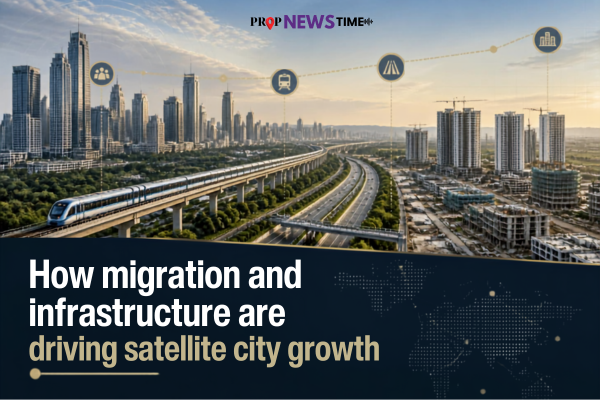
India's real estate growth is increasingly spreading beyond established metropolitan cores as population movement, employment decentralisation and infrastructure investment reshape urban boundaries. Satellite cities and peripheral urban centres are emerging as important residential and commercial markets, supported by better roads, metro networks, expressways, airports and social infrastructure. JLL notes that leading Tier-II cities are benefiting from decentralised work models, infrastructure development and competitive costs, while CBRE identifies proximity to infrastructure projects as an important determinant of residential demand. Analysing these markets at the micro-market level can help identify where migration and infrastructure are likely to create the next phase of real estate growth.Read more
12 Sep 2026
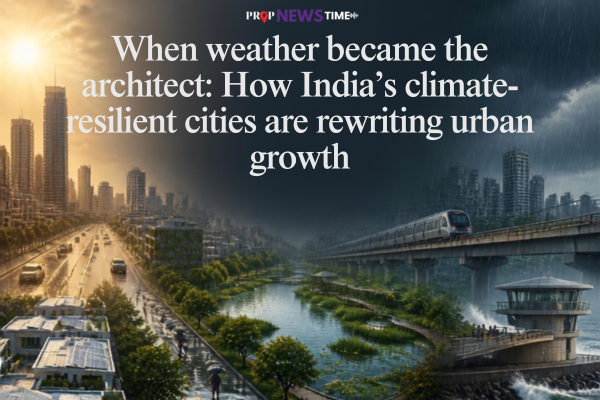
India’s construction sector is increasingly being shaped by climate risks such as extreme heat, flooding, cyclones, coastal erosion and changing rainfall patterns. As cities expand and infrastructure needs grow, developers, architects and policymakers are being pushed to reconsider not only how buildings are designed, but also where new development should take place. From heat-resilient buildings and flood-sensitive planning to low-carbon materials and the retrofitting of existing structures, climate adaptation is gradually becoming an important consideration in India’s built environment.Read more
Advertisement






11 Sep 2026
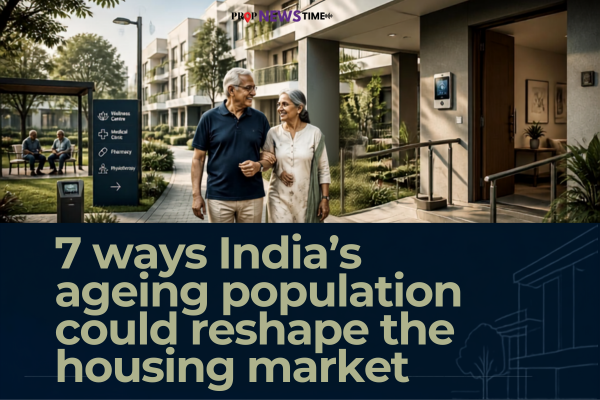
India's ageing population is set to become an increasingly important force in the country's housing market. The population aged 60 and above is projected to rise from around 162 million in 2025 to 346 million by 2050, according to JLL, creating demand for housing that goes beyond conventional residential formats. Senior living communities, accessible homes, healthcare-linked developments, technology-enabled housing and integrated townships could gain prominence as family structures and living preferences evolve. With organised senior living still at an early stage, the demographic shift could open a significant new segment for developers, investors and operators.Read more
10 Sep 2026
Only five of the 521 redevelopment projects that received MHADA approval over a five-year period were actually completed, and industry estimates suggest roughly a quarter of all registered redevelopment agreements in Mumbai are currently stalled or delayed. Behind the failures sit a familiar pattern: undercapitalised developers, unrealistic carpet-area promises, and paperwork that was never locked down before residents moved out. But amid the horror stories, some projects do get delivered on schedule and they tend to share the same six traits before the first brick is ever laid.Read more

09 Sep 2026
Artificial intelligence is moving beyond property recommendations and virtual tours to influence how real estate is planned, designed, built and managed. Developers are using AI to assess land and test project feasibility, while construction teams are exploring it for progress and safety monitoring. Building operators can use AI to analyse energy and equipment data, while property and investment teams are applying it to documents, tenant services and portfolio decisions. Here are eight ways AI is changing the real estate industry and how professionals can use these capabilities.Read more

08 Sep 2026
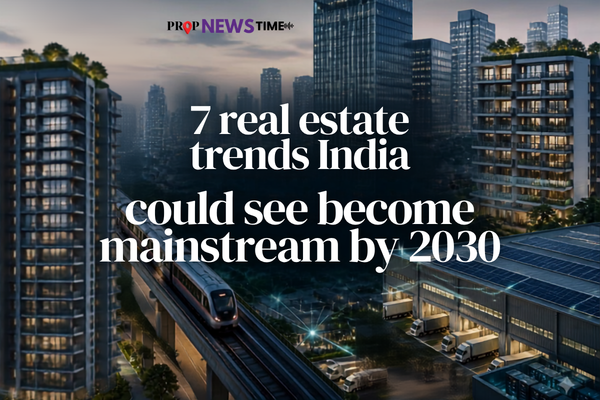
India's real estate market in 2030 may not look radically different, but several trends visible today could become far more common. Infrastructure-led development, premium housing, organised rental formats, senior living, greener buildings, specialised assets and technology-enabled properties are already gaining ground. As urbanisation, incomes, digital consumption and infrastructure investment continue to shape demand, these emerging trends could become established parts of India's property landscape by the end of the decade.Read more
07 Sep 2026
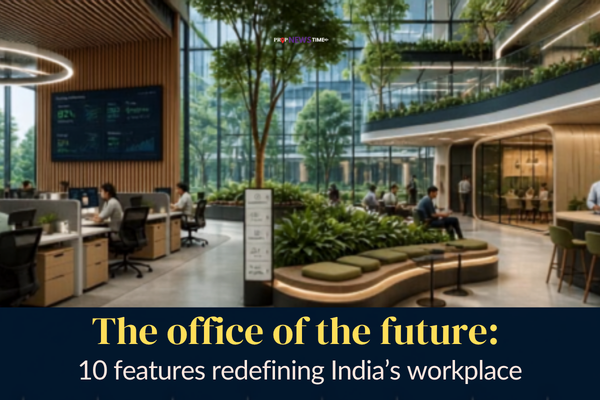
The corporate office is evolving from a conventional workplace into a technology-enabled, flexible and experience-driven environment. Artificial intelligence, real-time occupancy data, smart-building systems, hybrid layouts, wellness-focused design and sustainable infrastructure are increasingly shaping workplace strategies. At the same time, companies are adopting flexible leasing models, frictionless digital access and dedicated focus zones to respond to changing employee expectations. Research from JLL, CBRE and Gensler indicates that future-ready offices will increasingly combine technology with human-centric design, using physical space to support collaboration, productivity, wellbeing and organisational culture.Read more
Advertisement








