Advertisement






India's real estate sector is experiencing a significant shift towards sustainability in 2025, driven by government policy support, environmentally conscious consumer demand, and the integration of advanced technology. Key innovations include fly ash-based homes developed by NTPC, expansive adoption of IGBC and GRIHA green certifications, solar-powered and net-zero buildings, modular construction for efficiency and speed, and IoT-based smart energy systems. These developments are helping reduce energy and water consumption, cut emissions, and reshape the construction industry into one aligned with international environmental goals.Read more
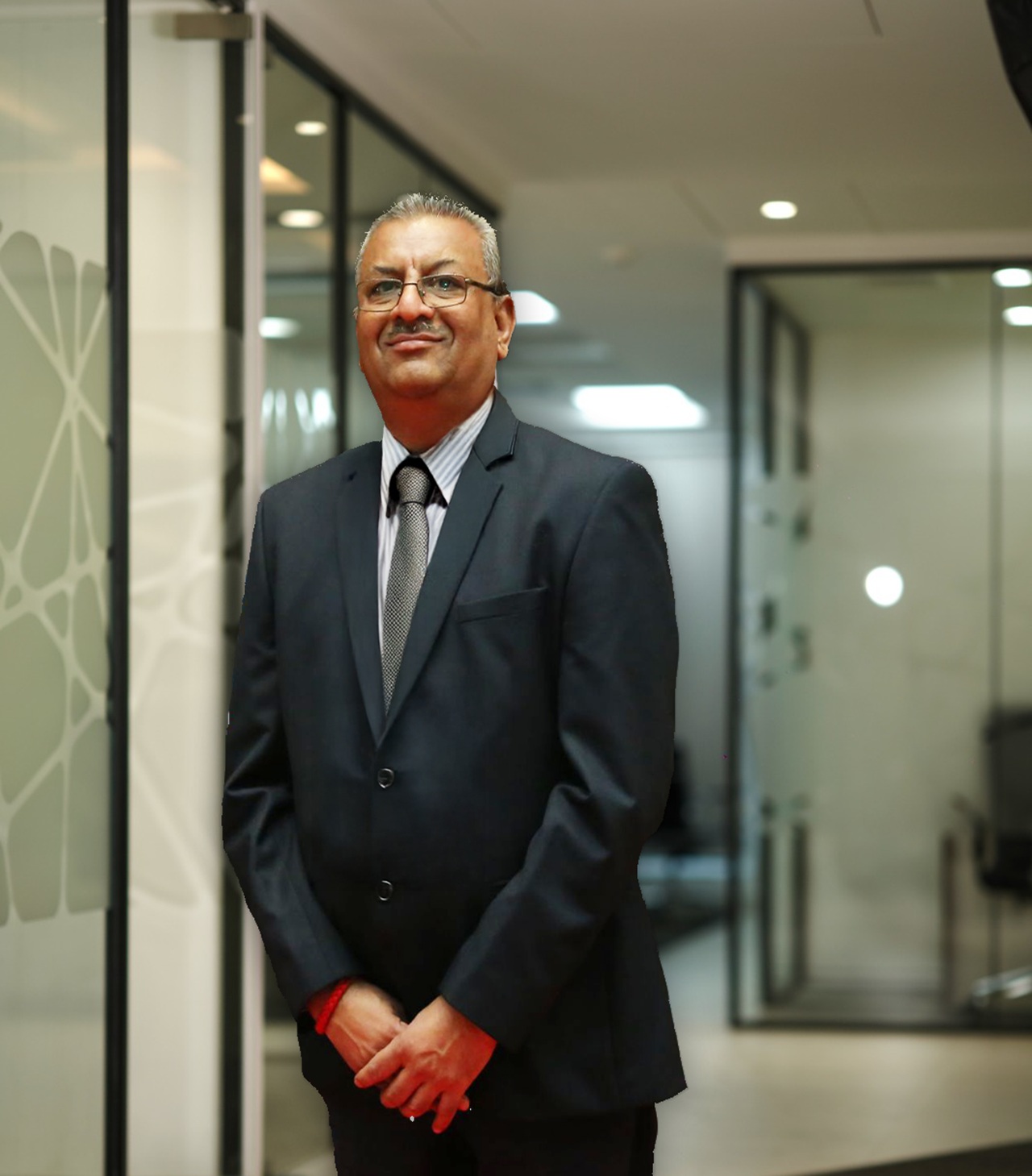
The modern office has undergone a significant transformation, evolving into a smart, tech-integrated space tailored for today's dynamic workforce. As hybrid and remote work models continue to flourish, smart co-working environments are becoming indispensable. These flexible spaces are no longer confined to freelancers or startups but have become hubs for global enterprises, thanks to AI, IoT, and cloud-based systems. From intelligent booking platforms to facial recognition access, these workplaces are designed to boost efficiency, foster collaboration, and ensure data security, all while enhancing the employee experience.Read more
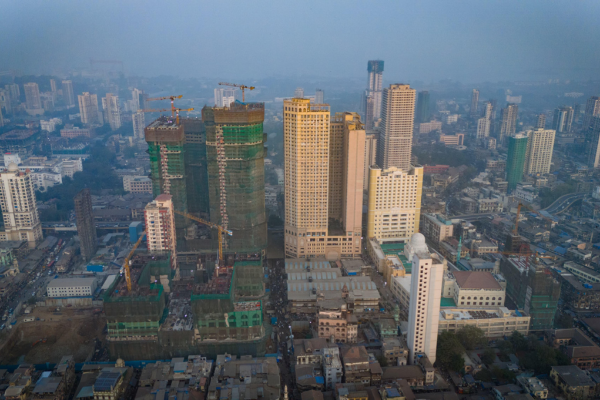
The central suburbs of Mumbai, particularly Sion and Mulund, are rapidly emerging as high-demand housing destinations, driven by robust infrastructure development and expanding metro connectivity. The introduction of new metro lines, including the Aqua Line and upcoming Line 4, has significantly enhanced access to key business districts, spurring residential interest and capital appreciation. These areas offer improved commute times, upgraded amenities, and redevelopment-led luxury housing, making them appealing to professionals and families alike. With the upcoming Navi Mumbai International Airport, central suburbs are strategically positioned for further growth and rising property values.Read more
India's real estate sector showed strong growth in 2024, especially in the luxury segment, but concerns loom over a potential slowdown in 2025. Meanwhile, Dubai reported a 29.19% year-on-year rise in property performance in Q1 2025, thanks to high investor activity, efficient governance, and a strong rental market. Key takeaways for India include Dubai's digitised transaction systems (like Dubai REST), streamlined regulations, and investor-friendly reforms such as long-term visas. While India is progressing with infrastructure and smart city initiatives, integrating Dubai-style transparency, policy clarity, and tech adoption could enhance investor confidence and create more stable, inclusive growth across all real estate segments.Read more

With inflation and market instability denting returns on physical gold, Indian investors are increasingly eyeing luxury real estate in Mumbai Metropolitan Region's (MMR) outskirts-particularly Kalyan, Ambernath, and Badlapur. These fast-developing zones are seeing 15-20% annual appreciation, outpacing gold's 6-8% average. Backed by metro expansions, road upgrades, and smart city projects, these localities offer better value, rental yields of 7-9%, and tax advantages. Developers like Tharwani Realty highlight ongoing projects that combine lifestyle amenities with high connectivity. As infrastructure-led growth drives demand, suburban luxury housing is emerging as a more profitable, stable, and strategic investment than traditional bullion.Read more

Advertisement


The expansion of Dubai's Metro through the Blue Line is expected to act as a transformative force in the city's urban economy, with connectivity becoming the primary determinant of real estate value. According to Firas Al Msaadi, CEO of fam Properties, this infrastructure initiative is not merely a transit upgrade but a strategic urban enhancement that could reshape Dubai's real estate market, productivity metrics, and global positioning. Areas like Dubai Creek Harbour, Academic City, and Dubai Silicon Oasis are projected to witness a surge in property values and investment appeal as Dubai evolves into a more liveable and economically efficient city.Read more
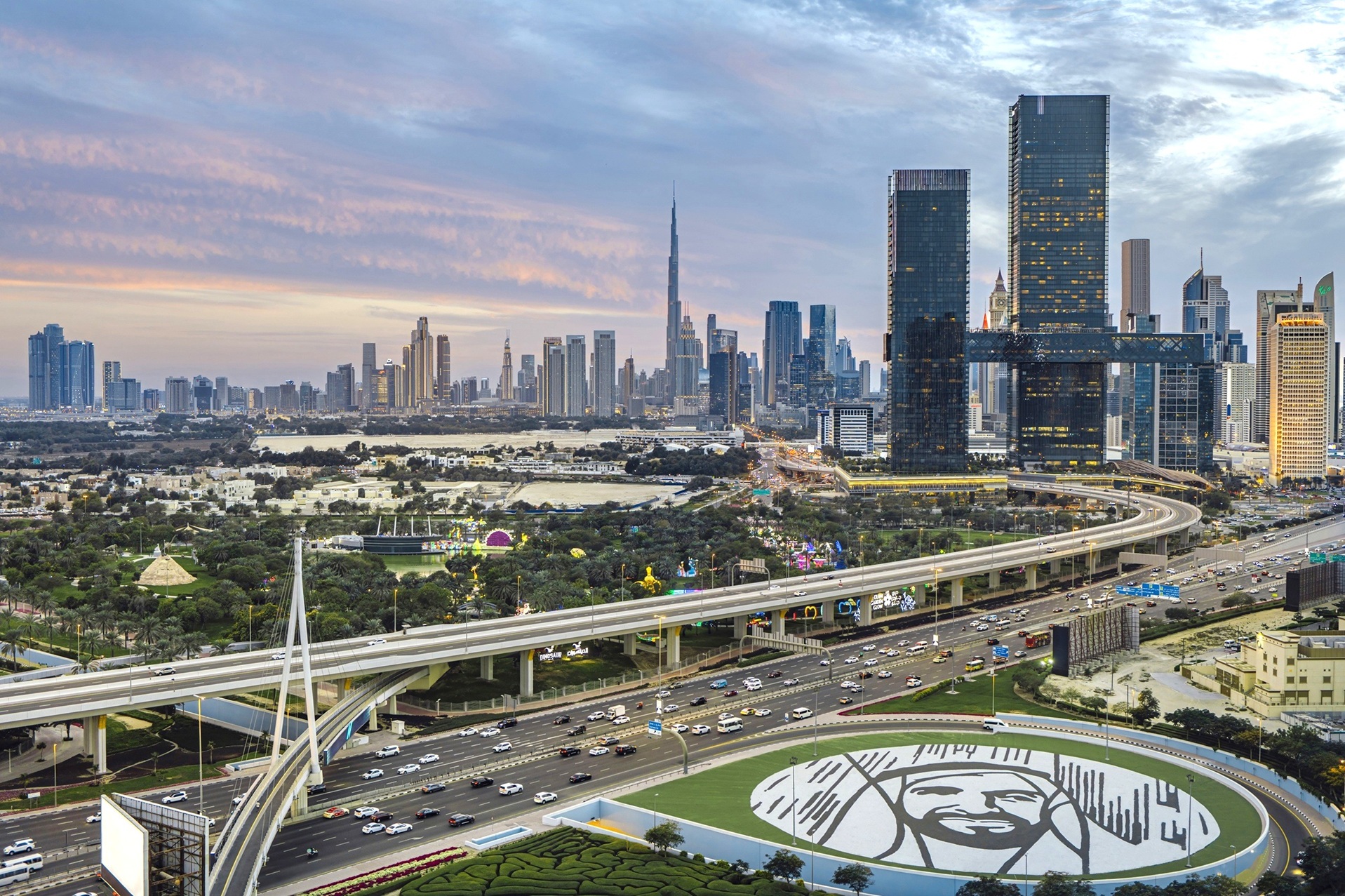
In a significant stride towards sustainable urban transformation, the Saifee Burhani Upliftment Trust (SBUT), under its flagship Saifee Burhani Upliftment Project (SBUP), marked World Environment Day by reinforcing its commitment to eco-conscious redevelopment in Bhendi Bazaar. The initiative goes beyond structural renewal, incorporating native greenery, renewable energy, water and waste management systems, and thoughtful urban planning that balances cultural modern resilience. SBUT's efforts are setting an unprecedented benchmark for future cities that prioritise both people and the planet.Read more
A growing demand for adaptable, technology-driven, and wellness-oriented workplaces is pushing Asia-Pacific landlords to rethink traditional office setups. Amid rising vacancy rates and evolving tenant expectations, landlords especially those of older buildings are turning to innovation to remain competitive. The shift is driven by increased emphasis on employee experience, digital infrastructure, and ESG goals. Smart building features like facial recognition systems, AI-based design tools, EV charging, and community lounges are becoming essential. As the region sees a sharp transition to hybrid work culture, investment in digital and physical upgrades is becoming key to office relevance.Read more

In the past year and a half, two major cyber breaches targeting a domestic brokerage and a North American mortgage servicer led to the exposure of approximately 25 million customer records. These incidents highlighted recurring vulnerabilities-misconfigured cloud storage, outdated virtualisation platforms, and weak static identity protection. The Indian Computer Emergency Response Team (CERT-In) has since sounded an alarm, with the Bombay Stock Exchange issuing a red alert for the BFSI sector earlier this week. Housing finance companies (HFCs), due to their long data retention cycles and sensitive documentation requirements, face uniquely high stakes. Regulatory mandates such as the RBI's 2023 IT Governance directives and the Digital Personal Data Protection (DPDP) Act are now shaping a strict cyber-resilience regime for such entities.Read more

Upper Kharghar is poised for a dramatic transformation as the Kharghar-Turbhe Link Road (KTLR) and the Pisarve metro station prepare to redefine connectivity in Navi Mumbai. The 5.49-km KTLR, featuring a twin tunnel and an elevated viaduct, will drastically reduce travel time, linking the industrial hub of Turbhe with the scenic Upper Kharghar. Simultaneously, the metro's modern amenities are expected to attract homebuyers and investors alike. These infrastructure projects, coupled with the upcoming Navi Mumbai International Airport and CIDCO Business District, are set to enhance the socio-economic and real estate value of the region significantly.Read more
Advertisement





