Advertisement






A growing demand for adaptable, technology-driven, and wellness-oriented workplaces is pushing Asia-Pacific landlords to rethink traditional office setups. Amid rising vacancy rates and evolving tenant expectations, landlords especially those of older buildings are turning to innovation to remain competitive. The shift is driven by increased emphasis on employee experience, digital infrastructure, and ESG goals. Smart building features like facial recognition systems, AI-based design tools, EV charging, and community lounges are becoming essential. As the region sees a sharp transition to hybrid work culture, investment in digital and physical upgrades is becoming key to office relevance.
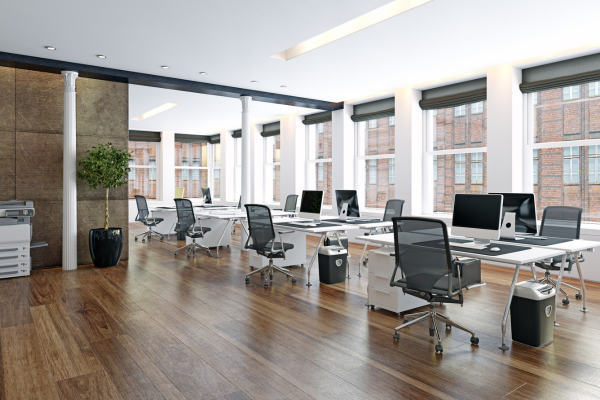
In the wake of post-pandemic shifts and rising vacancy levels, commercial landlords across the Asia-Pacific region are being compelled to reinvent their office assets. The surge in supply, coupled with evolving tenant demands, is making traditional office spaces obsolete unless upgraded with modern amenities and digital innovation. Advertisement


The current transformation is largely driven by two parallel trends tenants placing greater focus on employee experience, and the accelerated adoption of hybrid work models. As employees return to physical offices, there is a growing need for engaging, flexible, and smart workspaces that go beyond just functionality.
To stay relevant, landlords of ageing buildings are now under pressure to introduce innovation, both in terms of digital infrastructure and physical enhancements. This includes implementing advanced visitor management systems, incorporating AI in building simulations, and using digital twins for efficient facility management. Buildings are also seeing upgrades in materials, facial recognition technology at entrances, and smart concierge services to deliver a seamless experience.
The push for ESG compliance is also influencing office design. Green building initiatives and energy-efficient systems are no longer optional but expected. New designs are integrating AI-based simulations to support sustainable architecture and operations.
Another key aspect is connectivity?both physical and digital. From smart parking and EV charging stations to seamless F&B booking apps and agile working zones, the focus is clearly on tenant convenience and wellbeing. Offices are now integrating lounges, wellness centres, and community bonding areas to foster collaborative work culture.
In the Asia-Pacific region, occupiers are emerging as frontrunners in tech adoption. The market is witnessing a sharp uptake in smart office ecosystems, which include features such as integrated facial recognition, simulation tools for design planning, and remote management via digital platforms. These advancements are turning regular office properties into fully connected, human-centric environments.
This change is not just about aesthetics but strategy. As vacancy pressures mount, landlords are recognising the value of innovation in preserving asset value and attracting high-quality tenants. The inclusion of smart elements and ESG-aligned amenities helps reposition buildings as future-ready investments.
The implication is clear: offices are no longer judged solely by location or rent but by their ability to adapt, innovate, and support the next generation of workforce demands.
As tenants increasingly seek flexible, connected environments that align with their values and hybrid work preferences, the success of commercial buildings will depend heavily on how effectively they can integrate both technological and human-centric innovations into their design.

5th Jun, 2025

25th May, 2023

11th May, 2023

27th Apr, 2023
Advertisement





 Facebook
 Whatsapp