Advertisement






In a significant stride towards sustainable urban transformation, the Saifee Burhani Upliftment Trust (SBUT), under its flagship Saifee Burhani Upliftment Project (SBUP), marked World Environment Day by reinforcing its commitment to eco-conscious redevelopment in Bhendi Bazaar. The initiative goes beyond structural renewal, incorporating native greenery, renewable energy, water and waste management systems, and thoughtful urban planning that balances cultural modern resilience. SBUT's efforts are setting an unprecedented benchmark for future cities that prioritise both people and the planet.
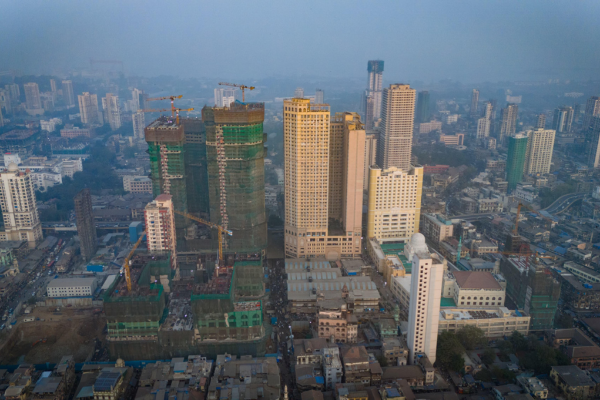
As part of its ongoing efforts to champion sustainable urban redevelopment, SBUT celebrated World Environment Day this past week by presenting Bhendi Bazaar as a pioneering model for green, inclusive, and resilient city living. SBUT?s vision under the Saifee Burhani Upliftment Project is centred not just on rebuilding infrastructure but also on integrating environmental and cultural values within its planning and execution. Advertisement


The redevelopment, spanning 16.5 acres, aims to breathe life into one of Mumbai?s oldest neighbourhoods through green infrastructure. The project plans to plant over 700 native trees and shrubs, creating a rare urban green lung. Landscaped podium gardens, open spaces, and children?s parks are being integrated within residential towers to enhance liveability. A North-South building orientation ensures optimal light and natural ventilation, reducing dependency on artificial climate control systems.
In terms of renewable energy, the development incorporates rooftop solar panels capable of producing nearly 600 kW of power, with solar-powered lighting installed in public areas such as staircases and streets. The electrical systems have been upgraded to limit energy loss and increase operational efficiency.
SBUT has also given equal emphasis to water management. Rainwater harvesting mechanisms are in place across the site, and modern sewage treatment plants are designed to recycle water for non-drinking purposes. Enhanced stormwater drainage is expected to mitigate flooding risks, a crucial factor in Mumbai?s monsoon-prone environment.
Efficient and hygienic waste disposal is addressed through vertical garbage chutes in every building, supporting the segregation of wet and dry waste. These are connected to a centralised disposal system for streamlined waste processing.
In addition to its environmental focus, SBUT continues to preserve the area?s cultural identity by retaining ten significant architectural structures. Transit hubs and pedestrian-friendly commercial lanes have been incorporated to support local commerce, thereby reducing displacement and ensuring continuity for the community.
The blueprint presented by SBUT reflects its long-term vision of urban living that is deeply rooted in environmental stewardship, cultural preservation, and sustainable growth.
By embedding sustainability into each phase of development from green cover and energy efficiency to waste processing and community integration SBUT is offering a replicable framework for urban regeneration. Their approach stands as a compelling example of how ecological responsibility and cultural legacy can coexist in modern city planning.

5th Jun, 2025

25th May, 2023

11th May, 2023

27th Apr, 2023
Advertisement





 Facebook
 Whatsapp
