Advertisement






Owning land in India has traditionally been seen as a long-term aspiration, often reserved for retirement or wealth preservation. However, a growing shift is emerging, particularly in Tier-2 and Tier-3 cities, where affordability, improved infrastructure, and lifestyle benefits are driving immediate land purchases. Young professionals, families, and first-time investors are moving beyond metropolitan markets, attracted by lower entry points, cleaner environments, and evolving lifestyle hubs. This trend is fuelled by government incentives, economic ripple effects, and increasing transparency in land transactions, signalling a fundamental transformation in the country's property market.Read more

Urban development and environmental conservation are often perceived as conflicting goals; however, when integrated strategically, both can flourish. This article by Ms Minal Srinivasan, Managing Director of Kesari Infrabuild Private Limited, outlines key principles for harmonising growth with sustainability. It highlights the importance of green infrastructure, zoning, community involvement, and transit-oriented development. With responsible planning, cities can enhance biodiversity, climate resilience, and public well-being while accommodating urban expansion.Read more

Vacation homes, once a luxury limited to the elite, are increasingly becoming mainstream assets for modern homeowners in India. Driven by flexible work culture, wellness-focused living, and rental income opportunities, buyers are opting for second homes in scenic destinations such as Goa, Lonavala, and Coorg. With millennials and Gen Z prioritising work-life balance, developers are responding with eco-conscious, tech-enabled properties. The trend reflects a shift towards sustainable, multi-functional real estate investments that combine leisure, income, and long-term lifestyle goals.Read more

Luxury housing in Bengaluru is undergoing a quiet transformation, moving away from traditional notions of scale and opulence to embrace wellness-driven, tech-integrated, and emotionally resonant design. Fuelled by the preferences of affluent buyers including global professionals and tech entrepreneurs, high-end homes are now being crafted around nature-inspired architecture, multifunctional interiors, and smart automation. Reports indicate that India's luxury housing market is projected to reach INR 124.20 billion by 2030, with Bengaluru positioned as a key growth centre.Read more
Mira Road has evolved from a peripheral suburb into a fast-developing luxury real estate destination, attracting homebuyers and investors seeking premium living at more reasonable rates than central Mumbai. Backed by improved infrastructure, expansive residential projects, and growing connectivity via highways and the metro, the area now combines affordability with sophistication. Its strategic location, proximity to IT parks, and inclusion in upcoming developments like the Mumbai-Ahmedabad bullet train and coastal road extension have significantly raised its desirability. Mira Road is now emerging as a prime residential zone with strong growth prospects and superior value for investment.Read more

Advertisement


The construction sector, long reliant on fragmented systems and manual tracking, is undergoing a digital overhaul with the rise of Construction ERP software. These platforms consolidate core project functions-budgeting, scheduling, resource allocation, and communication-into a single interface. Real-time dashboards, mobile integration, and flexible scalability help project managers stay in control and respond to delays proactively. ERP solutions not only reduce errors and improve collaboration across teams and sites, but also enable data-driven decision-making and financial forecasting. The technology is becoming indispensable for contractors aiming to remain efficient, agile, and competitive in a fast-evolving industry.Read more
Dholera is fast emerging as a key commercial and industrial hub in Gujarat, offering a unique blend of futuristic infrastructure, policy support, and large-scale investment opportunities. As India's first and largest greenfield smart city under the Delhi-Mumbai Industrial Corridor, Dholera has already seen over INR 3,000 crore in infrastructure funding. With enhanced connectivity through the Ahmedabad-Dholera Expressway and a planned international airport, the city is attracting interest across sectors like electronics, defence, and warehousing. Dholera is also gearing up to host IT parks, business centres, and co-working spaces, setting the stage for a robust commercial ecosystem.Read more
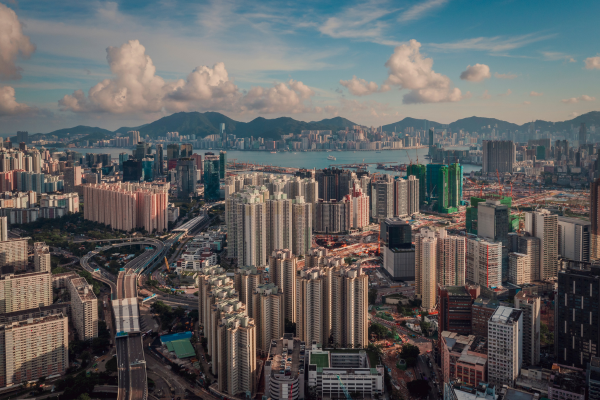
Commercial real estate is undergoing a paradigm shift where wellness amenities, once considered optional, have become integral to workplace design. With increased demand for healthier, more humane office environments, developers now incorporate features such as biophilic design, mental health zones, ergonomic infrastructure, and fitness spaces. This shift is influenced by pandemic-driven awareness, ESG mandates, and generational preferences. The wellness real estate industry, valued at USD 275 billion in 2020, is anticipated to grow to USD 580 billion by 2025, reflecting its rising influence in shaping employee experience and property value.Read more

Integrated townships are redefining suburban living by combining residential, commercial, social, and sustainable elements within self-contained ecosystems. These developments are structured around seamless infrastructure, walkable access to essential services, and connectivity to arterial networks, especially in regions like MMR. With smart technologies, health-oriented amenities, and community-driven planning, integrated townships are evolving into inclusive urban hubs. They also support sustainability goals and provide proximity to workplaces, ensuring balanced, future-ready lifestyles that align with the changing aspirations of urban homebuyers.Read more
India's real estate landscape is undergoing a significant transformation driven by the emergence of Tier 2 and Tier 3 cities as the new epicentres of growth. These smaller urban hubs are witnessing a surge in demand for integrated developments that merge residential, commercial, and recreational facilities. Factors such as hybrid work models, institutional leasing, and eco-conscious living are reshaping developer strategies. Coupled with increased public-private collaboration and shifting consumer priorities, the sector is pivoting from asset creation to community building with a long-term, sustainable approach.Read more
Advertisement