Advertisement






Sustainable industrial parks are increasingly drawing investor attention in India as businesses seek eco-friendly facilities that meet global standards and offer transparency. These parks integrate resource-sharing, renewable energy systems, and waste management to reduce carbon emissions and operational costs. Offering higher rental premiums and long-term viability, they are reshaping the industrial real estate sector. Cities like Pune, Chennai, and Coimbatore are emerging as key hubs driving this green transformation, attracting global tenants and supporting the nation's net-zero ambitions through sustainable infrastructure development.Read more

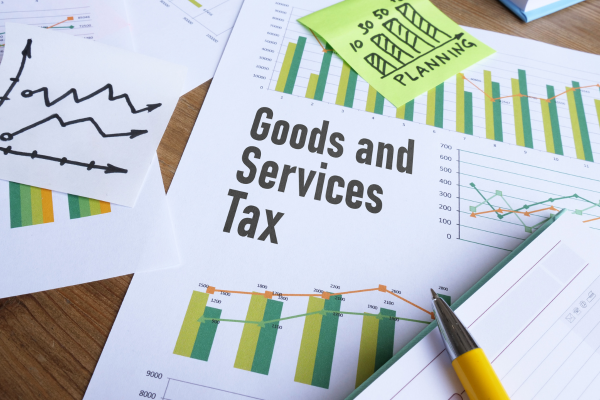
The government's GST reforms have simplified tax slabs to 5% and 18% and reduced rates on key construction materials, including cement, steel, granite blocks, and sand-lime bricks. Industry leaders say these changes will lower construction costs, improve project viability, and boost housing affordability. The reforms are expected to encourage developers to launch new projects, create employment, and improve buyer confidence. With the festive season approaching, the rationalisation of GST is likely to support stronger sales across residential segments while enhancing long-term growth in the real estate and construction sectors.Read more
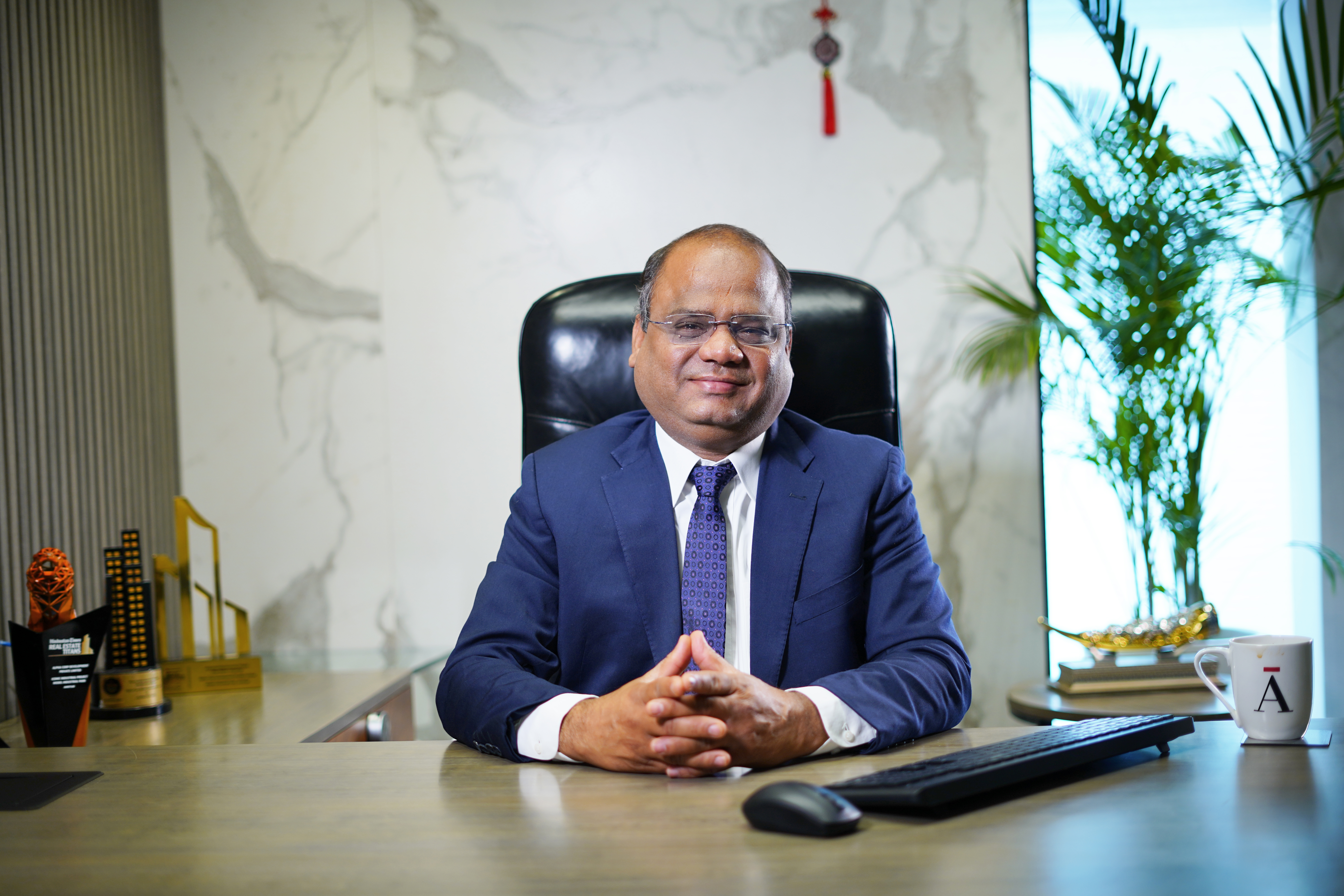
Non-Resident Indians (NRIs) have emerged as a driving force in India's real estate sector, moving from emotion-led investments to data-driven and strategic decisions. Delhi-NCR is becoming a preferred hub, with Gurugram leading in luxury and premium projects. Government reforms, relaxed FDI rules, RERA-led transparency, and favourable currency exchange have strengthened confidence. Technology, REITs, fractional ownership, and portfolio diversification are further expanding opportunities for NRIs across the sector.Read more
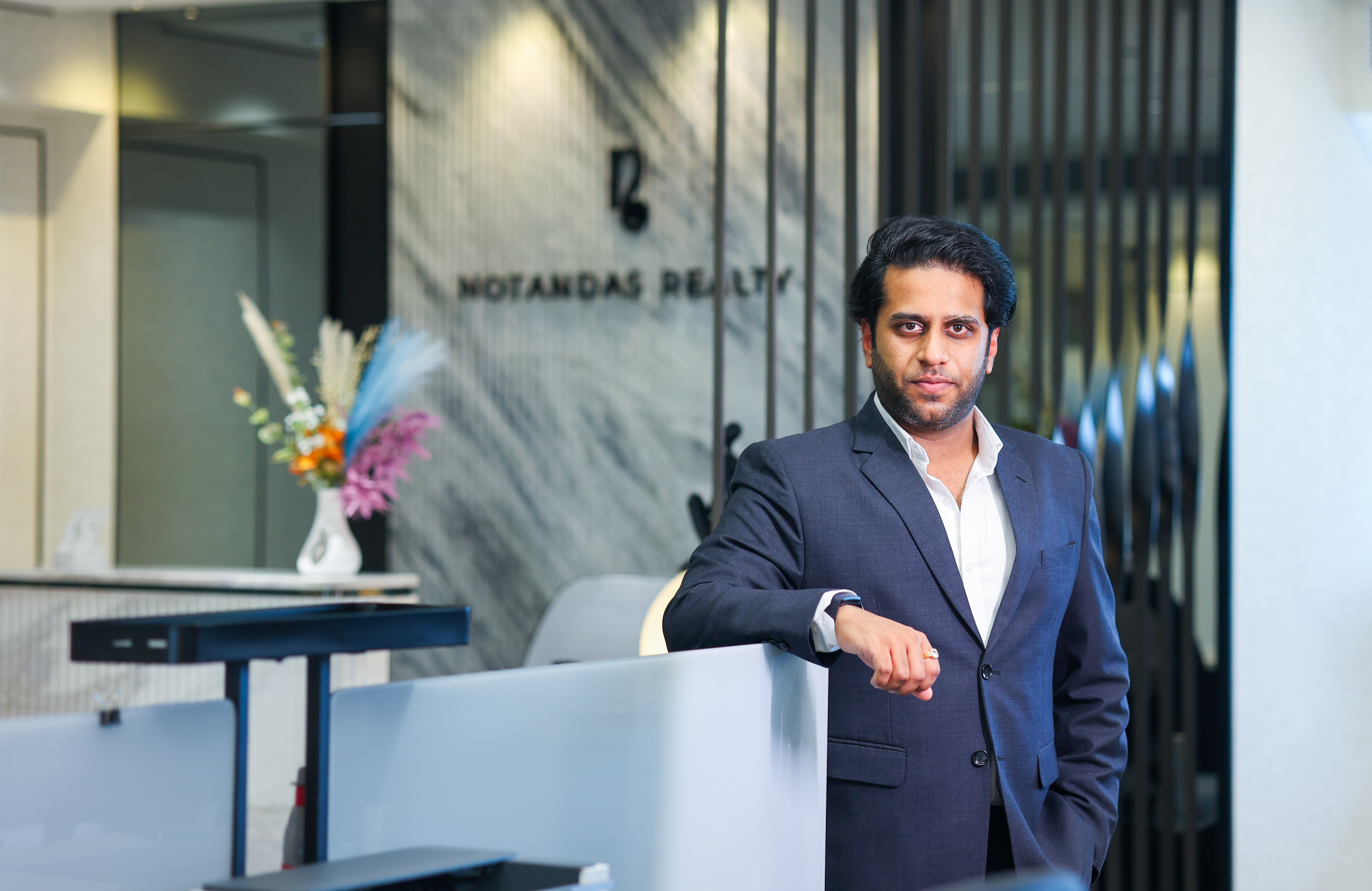
India's real estate market is in a robust growth phase, driven by a strong economy, a significant infrastructure push, and rising consumer buying power. According to Harsh Jagwani, Managing Director of Notandas Realty, this growth is not limited to metros but is also visible in tier-2 and tier-3 cities. With developers responding to new trends like premiumization, sustainability, and technology, the market is poised for appreciation in the next 2-3 years. This sentiment is also supported by strong demand across all segments, particularly in the undersupplied commercial sector.Read more
India's real estate sector, valued at USD 265 billion in 2024, is projected to near USD 1 trillion by 2030, making it a prime destination for institutional capital. Regulatory reforms like RERA, GST, and eased FDI norms have boosted transparency, attracting pension funds, sovereign wealth funds, and private equity, with inflows expected to reach USD 6-7 billion in 2025. Grade A offices remain the largest draw, supported by strong absorption and REIT success, while affordable housing and warehousing are gaining momentum. Sustainability is now central, with 40% of new supply green-certified. Annual institutional inflows are projected to cross USD 8 billion by 2027.Read more

Advertisement


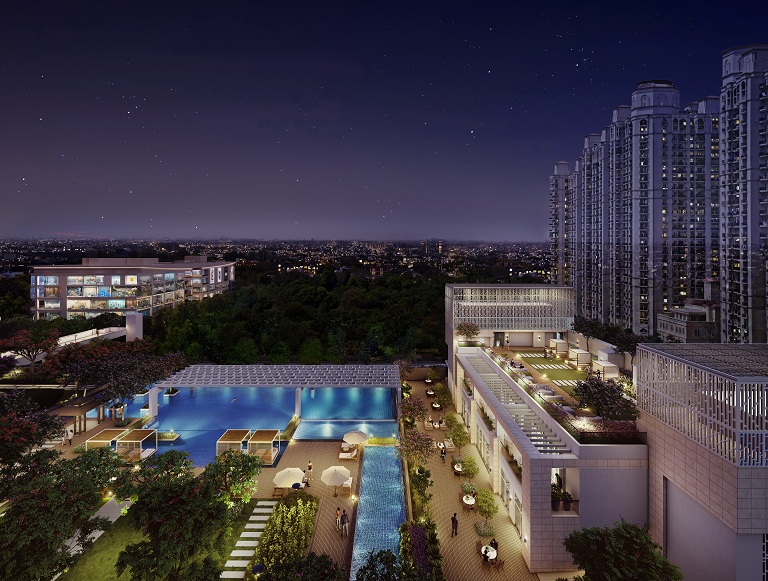
Delhi's luxury condominium market offers strong returns, especially in areas like Dwarka Expressway, Rohini, Moti Nagar, and South Delhi, where infrastructure growth is driving demand. For first-time buyers, financial planning is key, with down payments of 10-30% and home loans at 7-9% interest, alongside costs such as stamp duty, registration, and maintenance. Location significantly impacts long-term value, with prime hubs like Vasant Kunj, Greater Kailash, Noida, and Gurgaon offering accessibility and lifestyle benefits. Modern projects feature amenities such as clubhouses, gyms, pools, smart automation, and advanced security. Buyers are advised to ensure developer credibility, verify RERA approvals, and conduct thorough legal due diligence.Read more
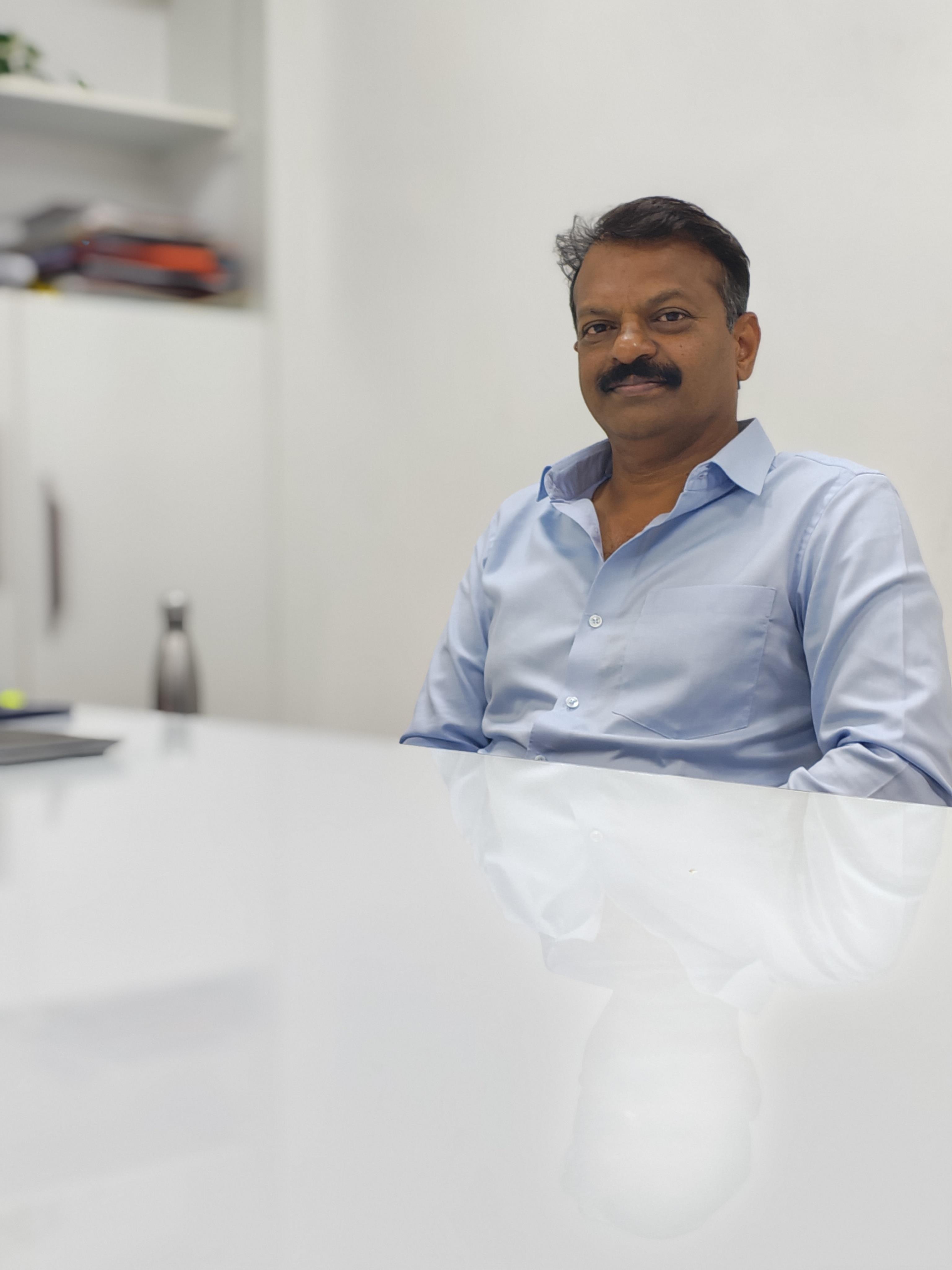
Janardhan Kompally, Founder and CEO of Makuta Developers, says high-rises define modern India as cities grow vertically to meet urban demand. He believes a building's value lies in how it ages, stressing sustainability, ventilation, green spaces, and energy efficiency as key to long-term livability. Founded in 2016, Makuta has delivered premium projects in Hyderabad and Vikarabad, using tools like BIM, smart façades, and high-performance materials to ensure quality. Sustainability is embedded from design through local sourcing, passive cooling, and eco-friendly finishes.Read more
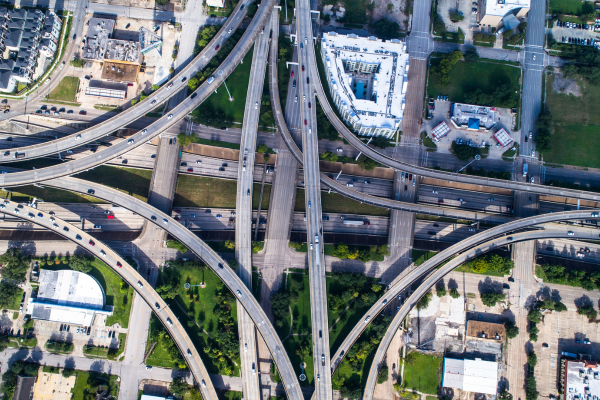
Goa, long known for its beaches and laid-back lifestyle, is witnessing a new phase of real estate activity with the upcoming Goa-Mumbai Expressway set to change the way second homes are owned and enjoyed. The improved connectivity is expected to cut travel time nearly by half, making frequent visits practical and boosting both lifestyle appeal and investment potential. This shift is reshaping buyer demographics, spurring fractional ownership, and bringing lesser-known coastal villages and hinterlands onto the second-home map.Read more
Mumbai, the country's financial capital and most populous city, is preparing for large-scale redevelopment to address ageing infrastructure and rising population demands. With predictions of increasing urban GDP contribution and growing need for office and housing space, cluster redevelopment under DCPR 2034 has been positioned as the solution. By incentivising developers with higher FSI and focusing on sustainability, the city aims to modernise neighbourhoods while ensuring inclusivity, affordable housing, and long-term urban resilience.Read more

Integrated townships have increasingly become a sought-after option for homebuyers and investors as they offer a blend of lifestyle, connectivity, and long-term value. Unlike traditional housing complexes, they integrate residences with schools, healthcare facilities, retail hubs, and recreation areas. Developers are aligning them with major transport corridors and civic infrastructure, while sustainability, wellness, and community-building remain central themes. This fusion of convenience, inclusivity, and future appreciation makes them a secure long-term investment.Read more
Advertisement