Advertisement






Goa, long known for its beaches and laid-back lifestyle, is witnessing a new phase of real estate activity with the upcoming Goa-Mumbai Expressway set to change the way second homes are owned and enjoyed. The improved connectivity is expected to cut travel time nearly by half, making frequent visits practical and boosting both lifestyle appeal and investment potential. This shift is reshaping buyer demographics, spurring fractional ownership, and bringing lesser-known coastal villages and hinterlands onto the second-home map.
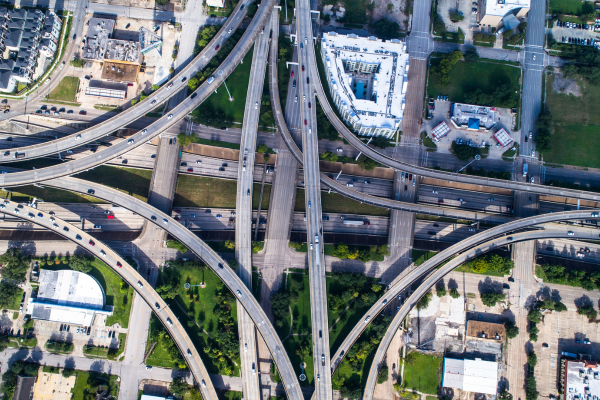
For years, Goa has been celebrated as India's postcard destination, defined by palm-lined beaches, a vibrant culture, and a slower pace of life. A new dimension is now being added with the Goa-Mumbai Expressway, which is expected to be operational in the near future. The project is not merely about reducing travel time but is set to transform the way people view second homes on India's western coastline. Advertisement


Traditionally, the journey from Mumbai to Goa took close to 12 hours, often longer when traffic delays were factored in, which meant that visits were usually restricted to extended breaks. The new expressway, projected to reduce this to under six hours, is altering the equation altogether. With such improved access, second homes in Goa are shifting from being aspirational assets to practical lifestyle investments. Buyers will be able to visit frequently, whether for weekend getaways, seasonal stays, or extended work-from-anywhere arrangements, thereby maximising both personal use and rental income potential.
Nationally, the appetite for second homes is rising. A recent report from Knight Frank highlighted that several smaller leisure destinations have been recording property price appreciation of 15 to 20 percent annually. Goa stands at the forefront of this trend. Its unique combination of natural beauty, rental returns, and cultural richness makes it a compelling choice for property investors, particularly those from metropolitan cities and abroad, who view such acquisitions as a way to diversify assets while enjoying lifestyle benefits.
The ease of travel is also transforming the profile of buyers. Previously, second homes in Goa were most attractive to those nearing retirement, keen to embrace a slower lifestyle. Today, professionals in their 30s and 40s, young families seeking vacation retreats, and non-resident Indians desiring a property that mirrors global living standards are entering the market. These buyers demand more than traditional holiday homes. Sustainability, premium design, and high-end amenities rank high on their wish lists, along with the convenience of managed communities where maintenance, security, and rental management are seamlessly taken care of.
Fractional ownership is another trend changing the dynamics of Goa's property market. This model enables multiple buyers to share ownership of premium homes, thus making high-value properties more accessible. Investors enjoy the benefits of luxurious living spaces, prime locations, and access to world-class amenities without the full financial burden or ongoing responsibilities of sole ownership. For NRIs in particular, fractional ownership balances the appeal of having a Goan holiday home with the practicality of shared costs and professional upkeep.
The impact of the expressway extends beyond property ownership. Local businesses-cafés, boutique shops, hotels, and guesthouses-are expected to benefit from increased visitor numbers, creating a ripple effect across the housing market. Developers are responding with projects that blend modern architecture with Goa's signature laid-back charm, ensuring that new growth integrates seamlessly with the state's unique character.
Significantly, the expressway is expanding the map for buyers. Interest is no longer confined to popular hubs such as Baga and Calangute. Quieter villages and hinterland towns, once considered remote, are emerging as viable second-home destinations. With larger plots, peaceful settings, and a stronger sense of authenticity, these areas appeal to buyers seeking deeper connections with Goa's lifestyle beyond the tourist centres.
The synergy between lifestyle and investment is another crucial outcome of this infrastructure development. Owning a second home in Goa no longer requires a compromise between emotional appeal and financial prudence. The improved connectivity supports both, enabling frequent use of the property while securing long-term value appreciation and seasonal rental income. As hybrid and remote work become more common, Goa is increasingly seen as a part-time relocation option, where professionals can manage their work seamlessly while enjoying the coastal lifestyle.
With the Goa-Mumbai Expressway nearing completion, the next chapter of Goa's real estate market is unfolding. Prospective buyers see an opportunity not only in terms of property appreciation but also in being part of a transformative shift that promises quicker access, more time by the sea, and a lifestyle blending leisure with investment security. The growth of Goa's second-home market is set to shape the future of coastal living in India for years to come.
Disclaimer:
The views, opinions, and information expressed in this article are solely those of the author and do not
necessarily reflect the views of Prop News Time. The content has not been independently verified or
endorsed by Prop News Time. Readers are advised to exercise their own discretion and seek professional advice if required.

5th Jun, 2025

25th May, 2023

11th May, 2023

27th Apr, 2023
Advertisement





 Facebook
 Whatsapp