Advertisement






India's rapid urbanisation, driven by population growth and economic progress, continues to exert immense pressure on its urban infrastructure. With over 1.4 billion people, the country's cities face mounting issues including inadequate public services, traffic congestion, environmental degradation, and widening social inequalities. To combat this, India has adopted a multi-pronged approach: implementing smart infrastructure, launching nationwide missions such as the Smart Cities Mission, Jal Jeevan Mission, and Swachh Bharat Mission-Urban, and introducing significant policy reforms like the INR 1 lakh crore Urban Challenge Fund. These initiatives aim to enhance livability, sustainability, and resilience across urban India.Read more

The emergence of master-planned communities is reshaping the urban real estate landscape, offering homebuyers a holistic living experience. These developments, often termed 'cities within cities,' integrate residential spaces with a comprehensive array of amenities, from fitness centres and swimming pools to educational institutions and retail outlets. Strategically located to provide easy access to business hubs and essential services, these communities foster a walk-to-work culture, reducing commute times and promoting a healthier work-life balance. Additionally, they offer green spaces and pollution-free environments, catering to the needs of families, working professionals, and retirees alike. The concept has gained traction as developers collaborate with top sports academies, ensuring that residents, especially young enthusiasts, can access world-class facilities.Read more

The real estate market in Virar, a burgeoning suburb on the northern edge of Mumbai, is witnessing substantial growth due to its enhanced connectivity, affordability, and lifestyle offerings. Once a peripheral town, Virar has emerged as a vibrant residential and commercial hub with property prices ranging between INR 5,200 and INR 6,500 per square foot, making it an attractive choice for first-time homebuyers and young families. Infrastructure projects such as the Virar-Alibaug Multimodal Corridor, Versova-Virar Sea Link, and the upcoming Metro Route 13 are expected to significantly reduce travel time and boost economic activity. Additionally, the planned bullet train station as part of the Mumbai-Ahmedabad High-Speed Rail corridor will further position Virar as a well-connected and investment-worthy destination.Read more
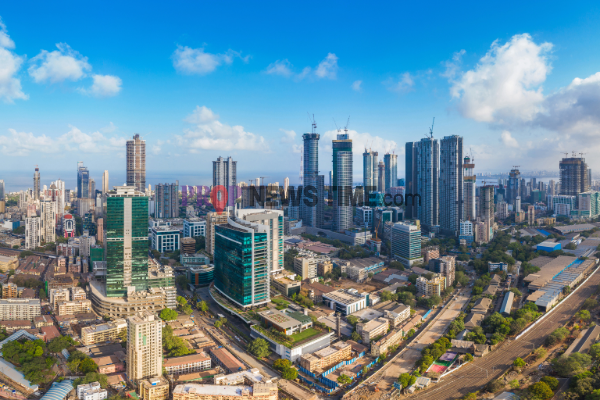
Mumbai, once cherished as Bombay the city of dreams is now grappling with urban strain marked by crumbling infrastructure, outdated housing, and unchecked congestion. With nearly 40% of its population living in slums and an overburdened transport system, the demand for resilient urban development has never been more urgent. Redevelopment is emerging as a compelling answer, promising upgraded infrastructure, modern amenities, and economic upliftment. As infrastructure projects like the Coastal Road and Metro Line 3 align with this momentum, the city's skyline and socio-economic dynamics could see transformative change if challenges such as regulatory hurdles and community displacement are addressed holistically.Read more
Marking Earth Day, aviation experts emphasized the urgent need to adopt renewable energy and triple global clean power generation by 2030. The industry, especially in fast-growing markets like India, faces pressure to cut emissions. A mix of strategic planning, government policies, and global frameworks is guiding the shift to net-zero by 2050. India is advancing air taxi infrastructure and promoting green airports, like the solar-powered Cochin Airport. Airlines are investing in fuel-efficient aircraft such as the Airbus A350 and Boeing 787. With fleet expansion and rising passenger numbers, sustainable finance and aviation fuels are becoming critical tools in India's push for a cleaner, climate-friendly aviation future.Read more
Advertisement


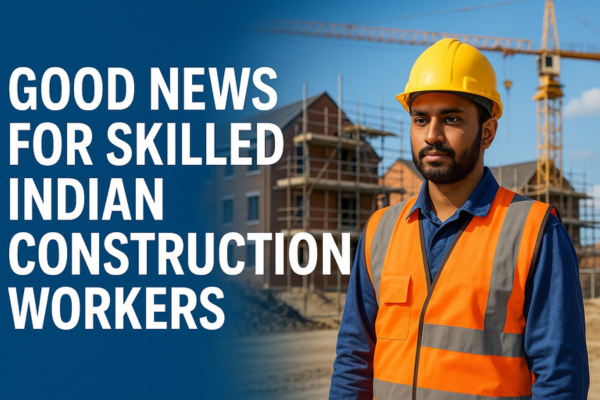
The United Kingdom's latest commitment to building 1.3 million new homes by FY 2029-30 spells promising news for skilled Indian construction professionals. With the UK government allocating GBP 600 million to train 60,000 domestic workers, experts suggest this effort may fall short. Labour shortages across the construction sector have already created urgent demand for overseas talent. According to UK-based immigration expert Yash Dubal, Indian workers, especially those in high-demand roles like bricklayers and civil engineers, are well-positioned to benefit from the Skilled Worker visa programme, which offers reduced salary thresholds for certain trades.Read more
The Indian real estate sector is witnessing a pivotal shift with the rise of digital broker aggregation platforms. Moving beyond traditional methods, property transactions are now powered by technology-driven tools like AI, virtual tours, and digital document management. These platforms connect buyers with verified brokers, offering structured listings, transparent pricing, and real-time analytics. While India still trails global counterparts like Zillow and Redfin, rapid digital adoption is underway. By 2026, over 35% of secondary market transactions are expected to be handled digitally. This transformation signals a new era for property buyers, brokers, and developers alike.Read more
As urbanisation accelerates in India, affordable housing and value homes are becoming not just market preferences but societal necessities. With around 40% of the population expected to live in urban areas by 2030, demand for cost-effective, well-equipped homes is rising sharply. While government schemes like PMAY have laid the groundwork with subsidies and policy support, persistent challenges such as outdated affordability norms, rising costs, and limited credit access for informal workers continue to restrict the segment's full potential. Meanwhile, value housing has emerged as a key alternative balancing affordability, lifestyle, and infrastructure.Read more

Mumbai, once known as Bombay, is a city of rich cultural heritage and boundless ambition. Over time, rapid urban expansion, population density, and outdated infrastructure have strained its livability. However, brownfield redevelopment projects offer a promising solution. These projects not only improve individual living spaces but enhance local communities, boost economic growth, and create vibrant, sustainable environments. Combined with transformative infrastructure projects like Metro Line 3 and the Coastal Road, brownfield initiatives could help Mumbai navigate its growth challenges, while ensuring the city remains dynamic and inclusive for future generations.Read more
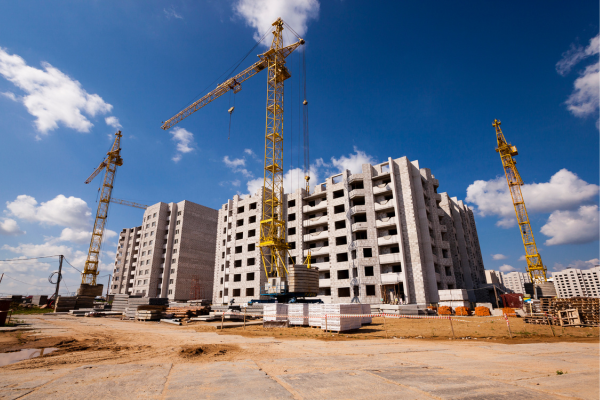
The rising cost of construction has become a defining challenge for housing projects across India's major cities. Labour expenses have spiked by 25% in the past year alone, with developers struggling to balance project feasibility amid wage inflation and material price volatility. A report by Colliers India revealed that construction costs for Grade A residential buildings have surged by 39%, now averaging INR 2,780 per sq ft. Developers are increasingly resorting to automation, local sourcing, and upskilling initiatives to counter rising costs while adapting to market realities through sustainable practices and strategic innovation.Read more

Advertisement