Advertisement






The expansion of Dubai's Metro through the Blue Line is expected to act as a transformative force in the city's urban economy, with connectivity becoming the primary determinant of real estate value. According to Firas Al Msaadi, CEO of fam Properties, this infrastructure initiative is not merely a transit upgrade but a strategic urban enhancement that could reshape Dubai's real estate market, productivity metrics, and global positioning. Areas like Dubai Creek Harbour, Academic City, and Dubai Silicon Oasis are projected to witness a surge in property values and investment appeal as Dubai evolves into a more liveable and economically efficient city.
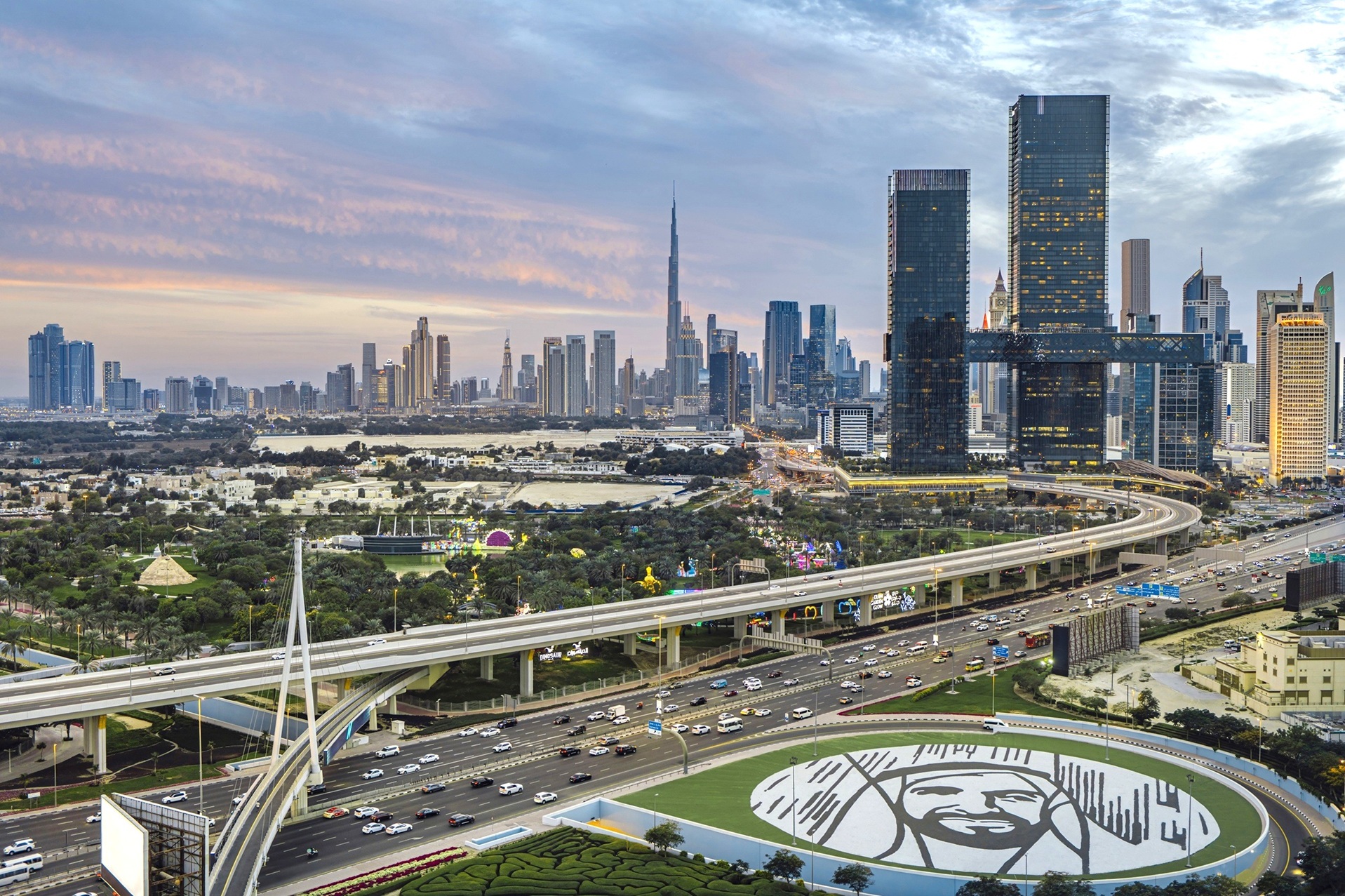
Dubai's Blue Line metro expansion is set to become a cornerstone in redefining the emirate's urban economy, with infrastructure emerging as a critical wealth generator. Firas Al Msaadi, CEO of fam Properties, remarked that this ambitious metro development would accelerate Dubai's evolution into a globally competitive, liveable, and investment-centric metropolis. Advertisement


He stressed that the significance of the Blue Line extends beyond its function as a transport network. According to him, cutting down commuting time directly enhances productivity across the city. He explained that transportation should no longer be viewed simply in terms of physical movement, but rather as a vector for time optimisation, opportunity unlocking, and economic value creation.
Al Msaadi observed that by interlinking nine strategically vital districts, the Blue Line will not only physically connect neighbourhoods but will also empower residents and investors with greater accessibility to opportunity zones. This, he stated, would catalyse substantial appreciation in real estate values across areas such as Dubai Creek Harbour, Academic City, and Dubai Silicon Oasis. He asserted that connectivity has effectively become the new currency for property value in urban economies.
The scope of impact, however, is not limited to the metro's immediate vicinity. Even those who do not use the metro are expected to benefit from reduced traffic congestion, optimised urban logistics, and enhanced systemic efficiency - collectively contributing to a broader uplift in city-wide asset values.
Construction on the mega-infrastructure project commenced during the past week, marked by the laying of the foundation stone for the first station at Dubai Creek Harbour. Al Msaadi highlighted that the completed network would be among the world's most advanced and high-impact transit systems, capable of reshaping Dubai's global urban identity.
He further elaborated that the metro is not merely a series of stations but a framework for a more interconnected, time-efficient, and economically agile Dubai. In doing so, it is expected to fuel a new era of real estate development and city planning. Developers, he noted, would likely shift to 'metro-first' design principles, aligning their masterplans around high-accessibility zones.
Drawing parallels from other global cities, Al Msaadi noted that urban transit systems tend to elevate residential property values. He suggested that Dubai may witness an even greater effect due to its existing productivity bottlenecks tied to traffic congestion. As commute times decline, he said, so too will barriers to economic output, with businesses operating more efficiently and residential zones becoming more attractive and viable.
Firas Al Msaadi outlined several key outcomes of the Blue Line project: increased housing demand in metro-linked areas, heightened investor interest in undervalued locations like Academic City, Dubai Silicon Oasis, and International City, rising capital values in projects near metro corridors such as Creek Harbour, higher rental yields for properties close to stations, and a shift in developers' planning strategies to prioritise metro accessibility.
He argued that transportation infrastructure benefits the entire urban ecosystem, even those not directly using it. Reduced vehicular congestion, improved mobility, and fluid urban movement result in tangible value appreciation for surrounding assets.
According to him, this is the mechanism by which international capital responds to large-scale urban improvements, and such projects serve as crucial levers for enhancing Dubai's competitiveness across global liveability and investment indices.
By integrating infrastructural planning with investment foresight, Dubai is not only enhancing mobility but laying down the blueprint for a modern, efficient, and opportunity-rich urban future. As developers and investors recalibrate their focus, the Blue Line may well become the defining force behind Dubai's next wave of economic expansion and spatial transformation.

5th Jun, 2025

25th May, 2023

11th May, 2023

27th Apr, 2023
Advertisement





 Facebook
 Whatsapp