Advertisement






The Gulf conflict has disrupted global supply chains, pushed...
REITs have changed the way commercial real estate is owned a...
What really powers the cloud? Behind every Google search, A...
What really powers the cloud? Behind every Google search, A...
Luxury real estate is one of the most talked-about segments ...
05 Sep 2026
Mumbai’s expanding infrastructure network is changing the geography of residential development across the Mumbai Metropolitan Region (MMR), but improved connectivity alone is not translating immediately into residential absorption. Major investments in roads, bridges and mass transit are opening emerging micro-markets, while employment, education, healthcare, retail, affordability and everyday convenience remain critical to sustained housing demand. Data on Atal Setu utilisation, metro ridership, residential price growth and the gap between launches and sales highlights the time required for infrastructure to translate into liveability. Established markets such as Thane and Kharghar demonstrate how connectivity gains become more effective when supported by a mature urban ecosystem. For developers, the trend has implications for land acquisition, pricing and project phasing, with infrastructure increasingly viewed as a long-term demand enabler rather than an immediate substitute for an established residential ecosystem.Read more

05 Sep 2026
Sion’s established residential ecosystem, central location and redevelopment potential are supporting its prospects for another phase of housing market growth, as Mumbai homebuyers increasingly weigh commute times, connectivity, social infrastructure and quality of life alongside property. Located in central Mumbai, Sion provides access to South Mumbai, Bandra-Kurla Complex, Lower Parel, the western and eastern suburbs and Navi Mumbai. Its established road and rail networks, proximity to Matunga, Dadar and Chembur, and access to schools, healthcare, markets and community facilities provide an existing urban foundation. Redevelopment is expected to renew ageing housing stock while retaining established social networks and neighbourhood infrastructure.Read more
05 Sep 2026
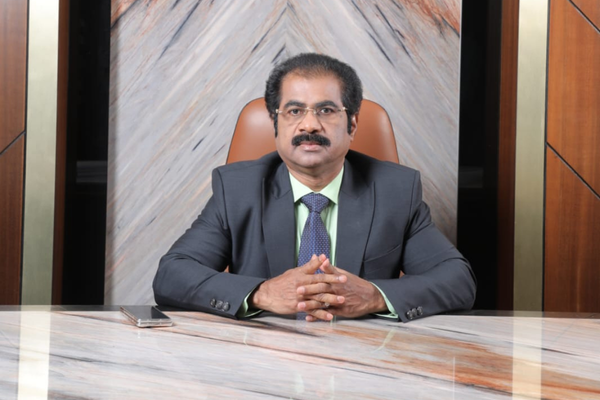
India’s hybrid work model is changing how companies plan and use corporate offices, with flexible workspaces increasingly being integrated into broader real estate strategies rather than serving only as alternatives to conventional offices. Managed offices, private suites and enterprise-grade flexible spaces are enabling businesses to retain central headquarters while adding regional hubs and workspaces across cities. Flexible workspace accounted for 24% of leasing across seven major Indian office markets in the first half of 2026, with leasing volumes increasing 32% year-on-year. Knight Frank’s Flex Space Occupier Intelligence 2026 also found that large enterprises represented 72% of total flex-seat absorption across eight major Indian office markets, compared with 18% for SMEs and 10% for startups. The shift is supporting hub-and-spoke and multi-location workplace models while allowing companies to align office capacity more closely with workforce requirements.Read more
30 Aug 2026
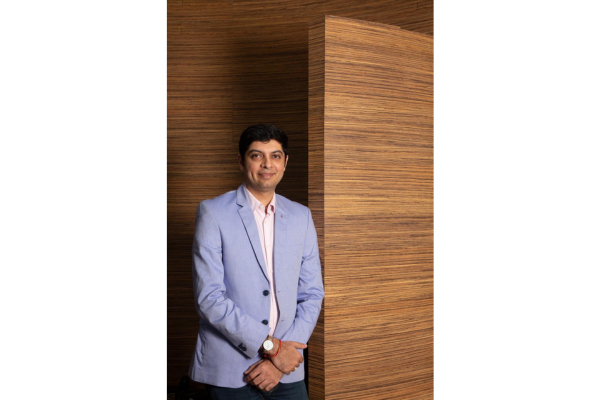
Bengaluru’s premium residential market is moving into a phase where infrastructure, employment access, construction credibility and product quality are becoming increasingly important to buyers, according to a developer perspective from NBR Group. Knight Frank data for H1 2026 showed 27,968 homes sold in Bengaluru, while average residential prices increased 9% year-on-year to INR 9,354 per sq ft. JLL recorded a 16% annual increase in residential sales and a 41% rise in launches. The city’s higher-ticket segments are also expanding, with homes priced between INR 2 crore and INR 5 crore accounting for 29.2% of sales. In the INR 10 crore-plus segment, Bengaluru recorded INR 1,957 crore in sales in FY26, with unit sales rising 52% annually to 128. The market is also seeing greater attention to infrastructure delivery and affordability.Read more
30 Aug 2026
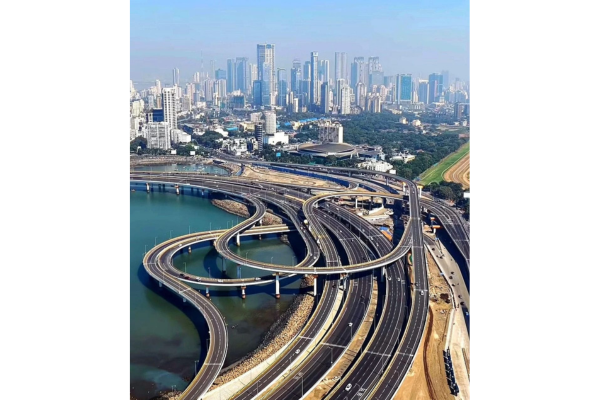
Mumbai’s housing landscape is expected to increasingly depend on redevelopment as limited land availability, population growth and changing homebuyer expectations shape the city’s residential expansion. Knight Frank India data shows that 1,094 societies are currently under redevelopment, covering nearly 432 acres, with the pipeline estimated to generate about 59,000 homes worth around INR 1.5 lakh crore by 2031. Residential demand has also remained firm in 2026, with 47,355 homes sold in the first half of the year and 13,617 property registrations recorded in July. Against this backdrop, redevelopment is emerging as a route to renew ageing neighbourhoods while improving housing quality, infrastructure and sustainability. Larger cluster-led developments, energy-efficient design, technology-enabled services and resident-focused planning are expected to become increasingly important as Mumbai plans for its housing requirements towards 2035.Read more
Advertisement






23 Aug 2026
Oshiwara is gaining greater relevance within Mumbai’s western suburban real estate market as metro connectivity, road infrastructure, commercial development and redevelopment reshape the locality. Positioned between Andheri, Goregaon, Lokhandwala and Versova, the micro-market has benefited from the operational Metro Line 2A and access to the Western Express Highway, Link Road and S.V. Road. Planned infrastructure, including the Versova-Bandra Sea Link, along with the proposed Oshiwara District Centre, is expected to further strengthen connectivity and commercial activity. At the same time, redevelopment is replacing ageing buildings with newer residential communities and upgraded civic infrastructure. The combination of transport links, employment access, social infrastructure and urban renewal is increasingly influencing how buyers assess established Mumbai neighbourhoods.Read more
22 Aug 2026
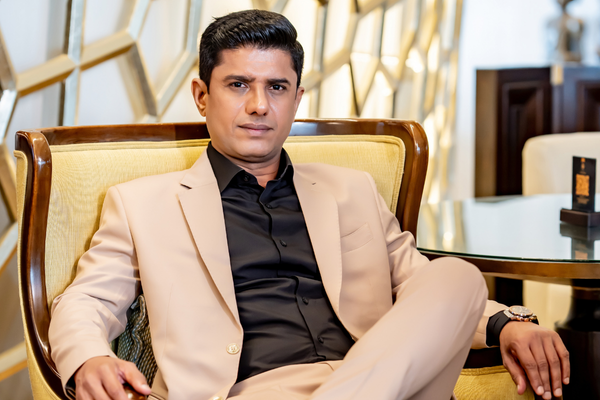
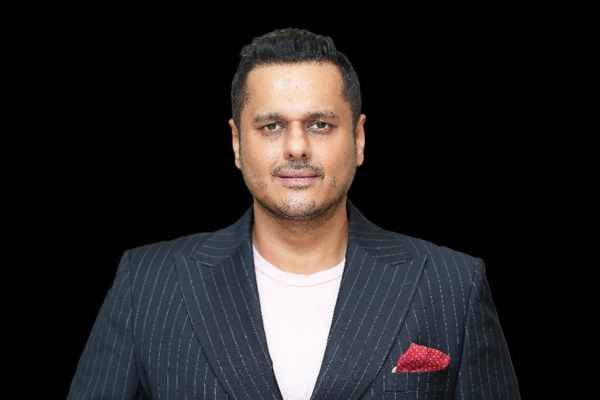
Prop News Time spoke with Cyrus Mody, CEO and Founder of Viceroy Properties, about the company’s residential and commercial real estate plans, its continued focus on Mumbai and the outlook for luxury housing. Mody discussed the strong response to the company’s Versova project, which has led Viceroy Properties to advance Phase 2 earlier than planned, along with commercial developments covering approximately 1.5 million to 2 million square feet across several sites in the western suburbs. He also shared his views on infrastructure-led growth, property prices, buyer preferences and the company’s approach to innovation, quality and customer service in luxury housing.Read more

22 Aug 2026
India’s residential real estate market is seeing a shift in homebuyer preferences, with demand increasingly extending beyond a property’s location, size and specifications to include convenience, connectivity, sustainability and quality of life. Gurugram provides a visible example of this transition as development expands beyond its established commercial districts towards New Gurugram, Dwarka Expressway and Southern Peripheral Road. Master-planned communities are gaining relevance by combining housing with retail, social infrastructure, landscaped areas, mobility networks and community facilities. The approach reflects a broader change from standalone residential projects towards integrated neighbourhoods designed around everyday needs. For developers, however, creating such communities involves long-term planning, coordinated infrastructure delivery and operational consistency. Sustainability and climate resilience are also becoming increasingly important as urban expansion places greater pressure on resources and infrastructure.Read more
16 Aug 2026
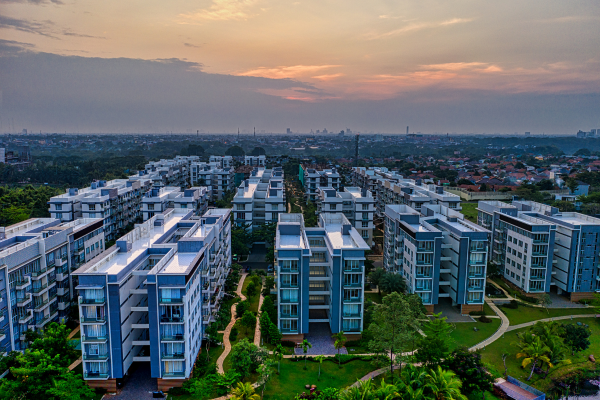
Navi Mumbai has evolved from a planned satellite city into an established urban and business centre, with large-scale infrastructure playing a central role in expanding its real estate market. Projects including the Atal Setu, Navi Mumbai International Airport (NMIA), Navi Mumbai Metro Line 1, suburban rail network and Sion-Panvel Highway have improved connectivity and supported development across new corridors. Upcoming and regional projects, including the Navi Mumbai Coastal Road, additional metro lines, water taxi services, the 126-km Virar–Alibaug Multimodal Corridor and Panvel–Karjat Suburban Rail Corridor, are expected to further integrate the region. Residential, commercial and mixed-use development has expanded into locations such as Ulwe, Panvel, Pushpak Nagar, Dronagiri and Upper Kharghar, while established employment hubs continue to support housing demand. The changing infrastructure base has also broadened Navi Mumbai’s homebuyer profile beyond affordability-led demand.Read more
16 Aug 2026
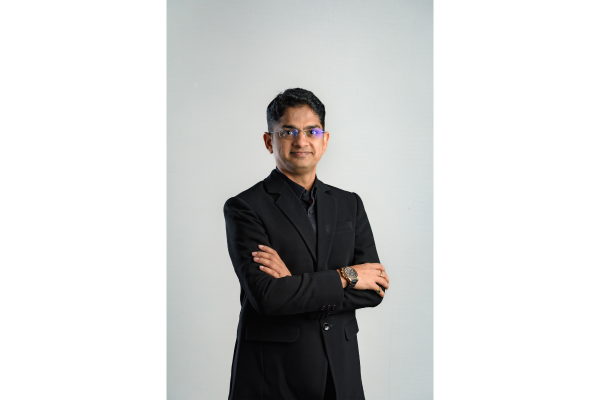
Conventional waterproofing systems have traditionally focused on preventing water from entering buildings through membranes, sealed joints and surface barriers. However, increasing rainfall intensity, dense urban development and higher performance expectations are highlighting the need for broader moisture management. In this article, Sumit Bidani, CEO of Knauf India, argues for a complete moisture-resistant building envelope that addresses moisture exposure across interiors, façades, substructures and material interfaces. The approach includes moisture-resistant gypsum boards for humid areas such as kitchens, bathrooms and utility spaces, alongside suitable protection for basements and foundations exposed to groundwater and hydrostatic pressure. Lightweight engineered materials can also reduce loads on underground structures while improving handling, transport and installation efficiency, potentially lowering construction-related fuel consumption, vehicle movements and site disruption.Read more
Advertisement








