Advertisement






The Gulf conflict has disrupted global supply chains, pushed...
REITs have changed the way commercial real estate is owned a...
What really powers the cloud? Behind every Google search, A...
What really powers the cloud? Behind every Google search, A...
Luxury real estate is one of the most talked-about segments ...
19 Sep 2026
BTM Layout has emerged as an established residential market in South Bengaluru, supported by its central location, mature civic infrastructure and access to employment, education, healthcare and retail hubs. The locality offers a broad mix of housing formats, from studio apartments and condominiums to 2, 3 and 4 BHK homes, with residential prices typically ranging between INR 12,000 and INR 18,000 per sq. ft. Its connectivity to key corridors including Bannerghatta Road, Hosur Road and the Outer Ring Road has supported sustained residential demand. The area also benefits from proximity to established educational institutions, hospitals, shopping centres and urban lakes. Ongoing Metro expansion and proposed infrastructure projects, including the Bengaluru Tunnel Road, are expected to add to the area's connectivity as its residential and commercial ecosystem continues to develop.Read more

13 Sep 2026
India’s proptech sector is expected to nearly triple from around USD 1.3 billion in 2025 to almost USD 4 billion by 2034, driven increasingly by the growth of Tier 2 and Tier 3 cities. As internet access, smartphone adoption and digital confidence rise across Bharat, more people from smaller towns are entering the real estate market. Technologies such as digitised land records, online verification, project tracking and app-based investment are helping remove barriers that previously kept small-town investors away. The next phase of India’s proptech growth could therefore come from beyond the major metros.Read more
13 Sep 2026
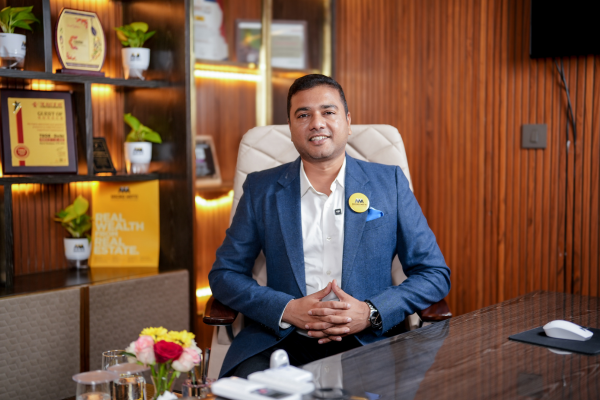
Shop-Cum-Office (SCO) plots are gaining traction as a commercial investment format in Tier-II cities as businesses and investors look beyond saturated metropolitan markets. According to Santosh Agarwal, Executive Director & CFO, Alpha Corp Development Limited, the combination of ownership, development flexibility and potential for multiple income streams is supporting interest in SCO plots. Karnal is emerging as one such market, supported by its location between Delhi and Chandigarh, improving road and regional connectivity, expanding residential catchments and planned urban development. SCO plots allow buyers to develop retail and office spaces within a single land parcel, while providing scope for leasing surplus floors. The format is increasingly relevant to entrepreneurs, retailers, healthcare professionals and service providers seeking flexible commercial premises. Broader urbanisation, infrastructure investment and growing economic activity in Tier-II cities are also contributing to demand for organised commercial real estate.Read more
13 Sep 2026
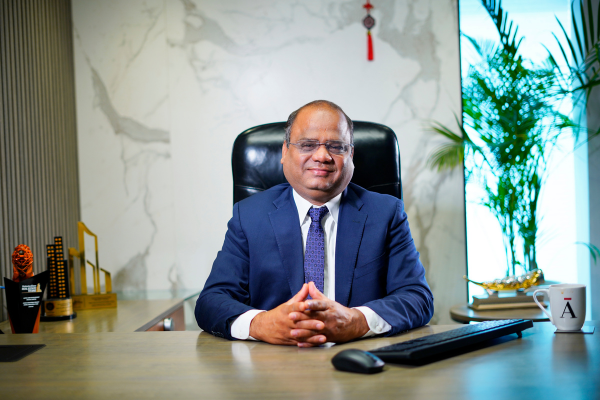
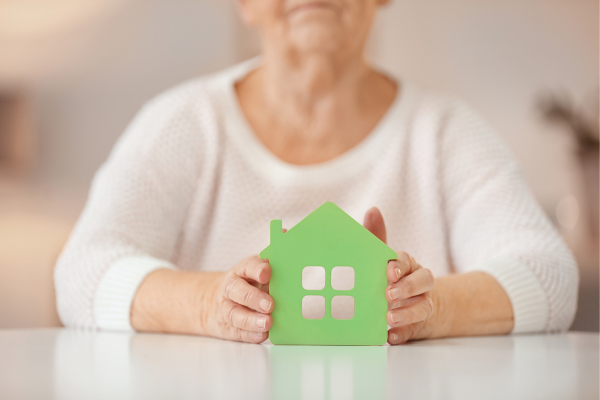
India’s senior living sector is moving from a niche housing concept towards a growing industry shaped by changing family structures, rising senior populations and evolving expectations around independence. While independent living already accounts for a large share of organised senior housing, the next generation of seniors is expected to seek smarter homes, integrated healthcare, wellness services, stronger social connections and more personalised care. With investment increasing and developers working more closely with healthcare operators, the sector is gradually developing communities that focus not only on safety and support but also on choice, dignity and quality of life.Read more
13 Sep 2026
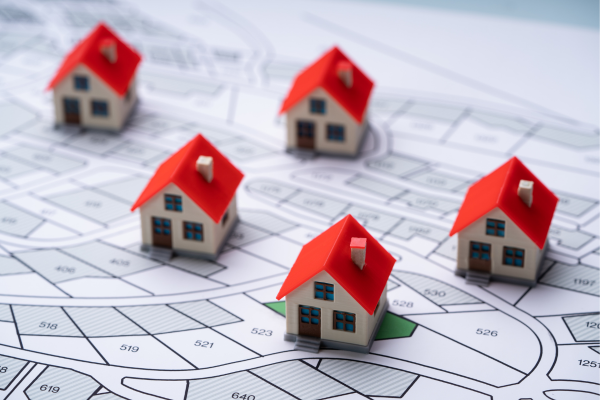
Integrated townships that combine housing with retail, recreation, open spaces, offices and essential social infrastructure could help reduce the need for frequent cross-city travel, according to Dr Rakesh Setia, CEO, Runwal Enterprises. The approach is gaining relevance in Mumbai and the wider MMR as development expands towards emerging locations such as Dombivli. Setia said connectivity improvements alone would not address commuting pressures unless communities were also planned around residents’ everyday needs. Projects such as Runwal Garden City in Dombivli and Runwal City Centre in Kanjurmarg illustrate this model through combinations of residential development, green spaces and commercial or social infrastructure. The approach could also support shorter journeys, potentially lowering private-vehicle use, fuel consumption, congestion and emissions while encouraging more walkable neighbourhoods. Public transport and road connectivity would remain important for linking such communities to employment centres and the wider metropolitan region.Read more
Advertisement






12 Sep 2026
Propfintech is emerging as a bridge between India's strong preference for real estate and the transparency investors expect from financial products. Unlike traditional property investments, where owners may struggle to track value, returns and performance, propfintech platforms aim to provide structured entry, digital records and investment tracking. The model can also include co-investment, aligning the platform's capital with that of investors. By bringing financial discipline and technology into real estate, propfintech has the potential to make property investment more transparent, trackable and accessible to a wider section of investors.Read more

12 Sep 2026
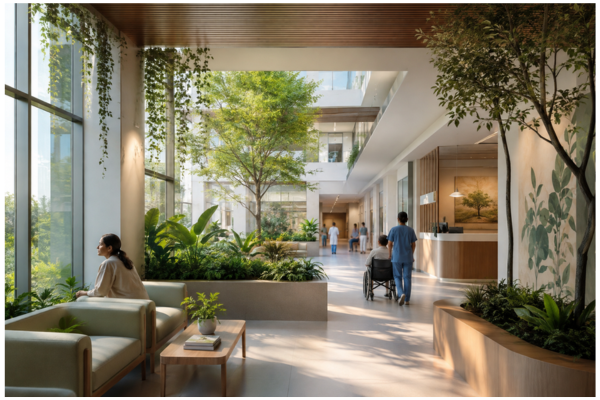
Healthcare architecture is increasingly moving beyond clinical efficiency to address patient experience, emotional wellbeing and staff comfort, with biophilic design emerging as one approach to creating more humane care environments. The concept integrates daylight, courtyards, gardens, natural materials, water features and outdoor spaces into hospital planning rather than treating greenery as decoration. In India, such designs need to account for heat, humidity, monsoons, solar exposure, water availability and maintenance requirements. In high-density cities such as Mumbai, where ground space is constrained, architects can incorporate nature through sky courts, planted terraces, internal courtyards, vertical gardens and landscaped waiting areas. At the same time, these interventions need to work alongside infection control, hygiene, accessibility, supervision and clinical requirements, requiring coordination between architects, clinicians, engineers and infection-control specialists.Read more
12 Sep 2026
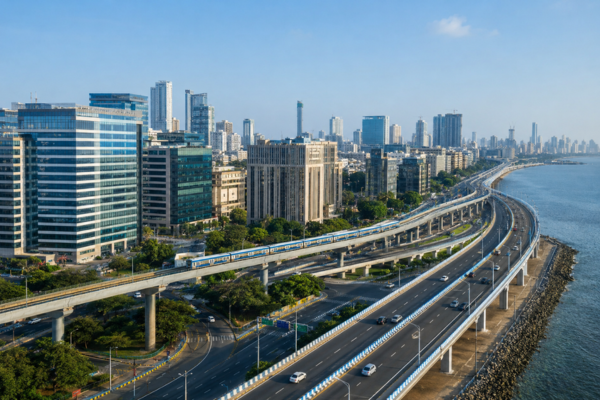
Andheri (East) has strengthened its position as a commercial destination in Mumbai by combining an established business ecosystem with access to talent, the airport and several major infrastructure projects. The Mumbai Coastal Road, Metro connectivity and the upcoming Bandra-Versova Sea Link are improving access to the micro-market and its surrounding business districts. These infrastructure upgrades are influencing how companies assess office locations, with connectivity, employee convenience and operational efficiency becoming increasingly important. The area's established residential and commercial base, along with improving links to South Mumbai, western suburbs and Navi Mumbai, is further supporting its appeal among businesses and investors.Read more
06 Sep 2026
Mumbai’s homebuyers are increasingly evaluating properties on factors beyond location, size and price, with space efficiency, wellness, neighbourhood infrastructure, redevelopment and long-term value gaining importance. The shift is particularly visible in the premium housing segment, where transactions for homes priced above INR 10 crore reached INR 18,512 crore in the first half of 2026, up 12% year-on-year. Buyers are paying closer attention to layouts, natural light, ventilation, privacy, usable amenities and connectivity, while established suburbs such as Goregaon, Malad, Kandivali and Borivali continue to benefit from developed social infrastructure and transport links. With limited land availability, redevelopment is also becoming an important source of modern housing within established neighbourhoods. Buyers are increasingly assessing construction quality, approvals, maintenance costs, delivery records and potential future appreciation before committing to a property.Read more

06 Sep 2026
The Bharalumukh–Amingaon Bridge is strengthening connectivity between North and South Guwahati and could influence the city’s emerging commercial real estate geography. For years, commercial activity remained concentrated on the southern bank of the Brahmaputra, partly due to limited crossings and connectivity constraints affecting North Guwahati. The new bridge forms part of a wider infrastructure network that includes the Guwahati Ring Road, Palasbari–Sualkuchi Bridge, Narengi–Kuruwa Bridge and third Jalukbari Bridge. Together, these projects are expected to improve movement across the metropolitan region, reduce pressure on established commercial districts and support development in areas with larger land parcels. The changing connectivity landscape is also expected to influence offices, organised retail, hospitality, warehousing and integrated commercial developments, while residential expansion could further support commercial activity in North Guwahati.Read more
Advertisement








