Advertisement






The Gulf conflict has disrupted global supply chains, pushed...
REITs have changed the way commercial real estate is owned a...
What really powers the cloud? Behind every Google search, A...
What really powers the cloud? Behind every Google search, A...
Luxury real estate is one of the most talked-about segments ...
Sion’s established residential ecosystem, central location and redevelopment potential are supporting its prospects for another phase of housing market growth, as Mumbai homebuyers increasingly weigh commute times, connectivity, social infrastructure and quality of life alongside property. Located in central Mumbai, Sion provides access to South Mumbai, Bandra-Kurla Complex, Lower Parel, the western and eastern suburbs and Navi Mumbai. Its established road and rail networks, proximity to Matunga, Dadar and Chembur, and access to schools, healthcare, markets and community facilities provide an existing urban foundation. Redevelopment is expected to renew ageing housing stock while retaining established social networks and neighbourhood infrastructure.
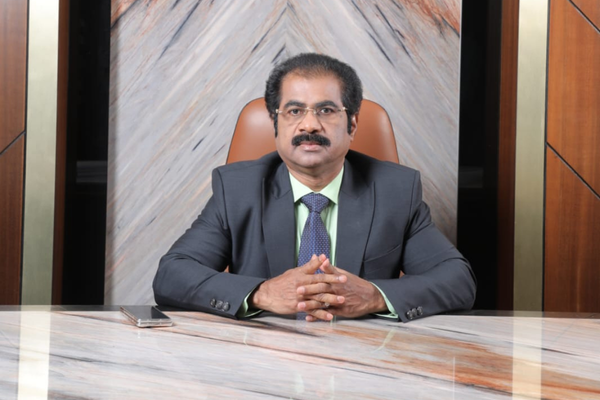
Sion is entering another phase of residential evolution as its established neighbourhood ecosystem, central location and redevelopment potential increasingly align with the factors influencing homebuying decisions across the Mumbai Metropolitan Region. The locality, which shares a well-established residential corridor with Matunga, offers access to major employment, education and commercial districts while retaining a long-standing community character.
The expansion of employment centres across the Mumbai Metropolitan Region has increased the complexity and duration of daily travel for many households. As a result, homebuyers are assessing residential locations through a wider set of criteria, including commute times, connectivity, social infrastructure, everyday conveniences and quality of life. Sion’s central position places it within this changing assessment.
The locality provides access to South Mumbai, the Bandra-Kurla Complex, Lower Parel, the western and eastern suburbs and Navi Mumbai. Its established road and rail connections make it an important link between several residential and commercial corridors across the city.
This connectivity has significance for households with family members travelling to different employment districts or educational institutions. A centrally positioned neighbourhood can provide access to multiple parts of the metropolitan region without requiring residents to relocate closer to a single employment hub. For investors, the same connectivity provides access to a broader pool of potential residents seeking homes in established central locations.
Unlike emerging locations, where buyers may have to wait for social infrastructure and everyday amenities to develop, Sion already has an established urban ecosystem. The wider Sion-Matunga corridor includes schools, healthcare facilities, markets, transport infrastructure and community spaces. Its proximity to Matunga, Dadar and Chembur further expands residents’ access to retail, dining, recreation and essential services.
The neighbourhood also retains a distinct cultural and historical identity. Sion Fort is among the landmarks reflecting this heritage, adding to the locality’s existing character as its built environment continues to evolve.
At the same time, established infrastructure does not mean that the residential market remains unchanged. Changing buyer expectations around space efficiency, contemporary layouts and amenities are increasing the relevance of redevelopment. Renewal of ageing buildings can introduce newer housing stock and improved residential environments while retaining the connectivity, community relationships and social infrastructure already present in the neighbourhood.
Redevelopment is therefore an important component of Sion’s future residential trajectory. Rather than requiring the locality to develop an entirely new ecosystem, redevelopment can build on facilities and networks established over several decades.
Three factors are particularly relevant to Sion’s future growth: connectivity, redevelopment and the strength of its existing ecosystem. Continued improvements to roads, Metro networks and railway infrastructure could further strengthen links with Mumbai’s major corridors. Renewal of older buildings can provide modern homes and amenities, while existing schools, hospitals, markets, transport networks and community relationships provide an established base for future investment.
The combination of these factors allows Sion to evolve without losing the characteristics that have supported its residential appeal. Its next growth phase is therefore linked less to becoming a new destination and more to renewing its housing stock and strengthening accessibility while building on an established urban and community foundation.
Disclaimer:
The views, opinions, and information expressed in this article are solely those of the author and do not necessarily reflect the views of Prop News Time. The content has not been independently verified or endorsed by Prop News Time. Readers are advised to exercise their own discretion and seek professional advice if required.

20th Oct, 2026

3rd Oct, 2026

28th Sep, 2026
24th Sep, 2026


4th Aug, 2026


Advertisement








 Facebook
 Whatsapp

