Advertisement






Namo Bharat, the semi high speed transit system on the Delhi Ghaziabad Meerut corridor, has crossed 2 crore commuter trips within two years of its launch. Starting with a modest 72,000 monthly riders, phased expansions and new stations have steadily increased ridership to around 55,000–60,000 daily commuters. Key factors driving growth include reduced travel time, reliable air conditioned services, and integration with Delhi Metro ticketing. With 55 km and 11 stations currently operational and remaining stretches under construction, the system continues to reshape intercity travel patterns and strengthen connectivity across the National Capital Region.Read more
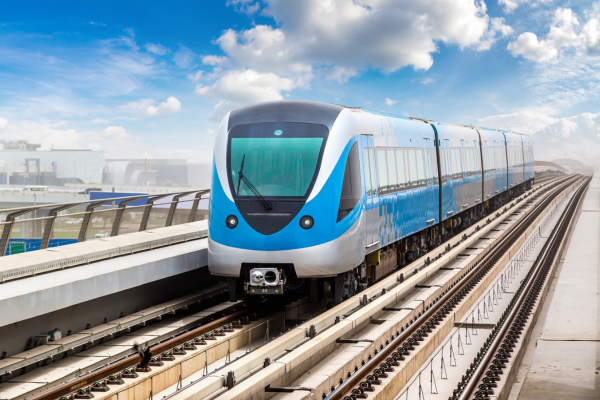
The Delhi Metro Rail Corporation has started elevated corridor construction on the 8.38 kilometre stretch between Lajpat Nagar and Saket G Block, part of the Golden Line under Phase IV of the metro expansion. This section will have eight stations and improve metro access in South Delhi, linking residential and commercial areas and offering easier interchange with the Magenta, Violet and Pink Lines. The ground breaking marks the first civil works beyond earlier priority corridors and is expected to support daily commuting for thousands. This stretch will also introduce India’s first three coach metro service.Read more
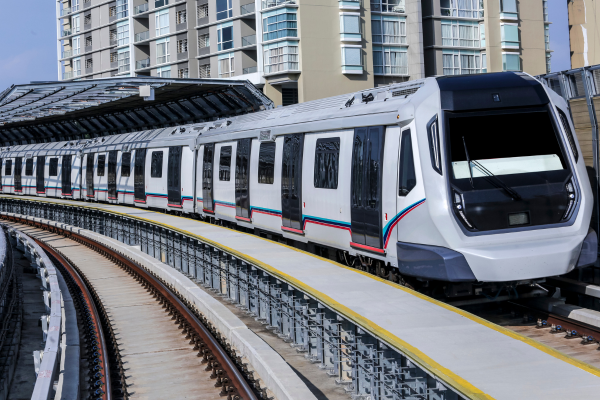
Vishal Gupta has been elected president of CREDAI-NCR, with a new Executive Committee and Governing Council now in place. The leadership team, including five vice-presidents, a secretary, and a joint secretary, will focus on engaging with authorities, addressing regulatory and policy challenges, and promoting reforms for a modern and sustainable real estate sector. CREDAI represents over 15,000 real estate developers across India, making it a key voice in the industry.Read more

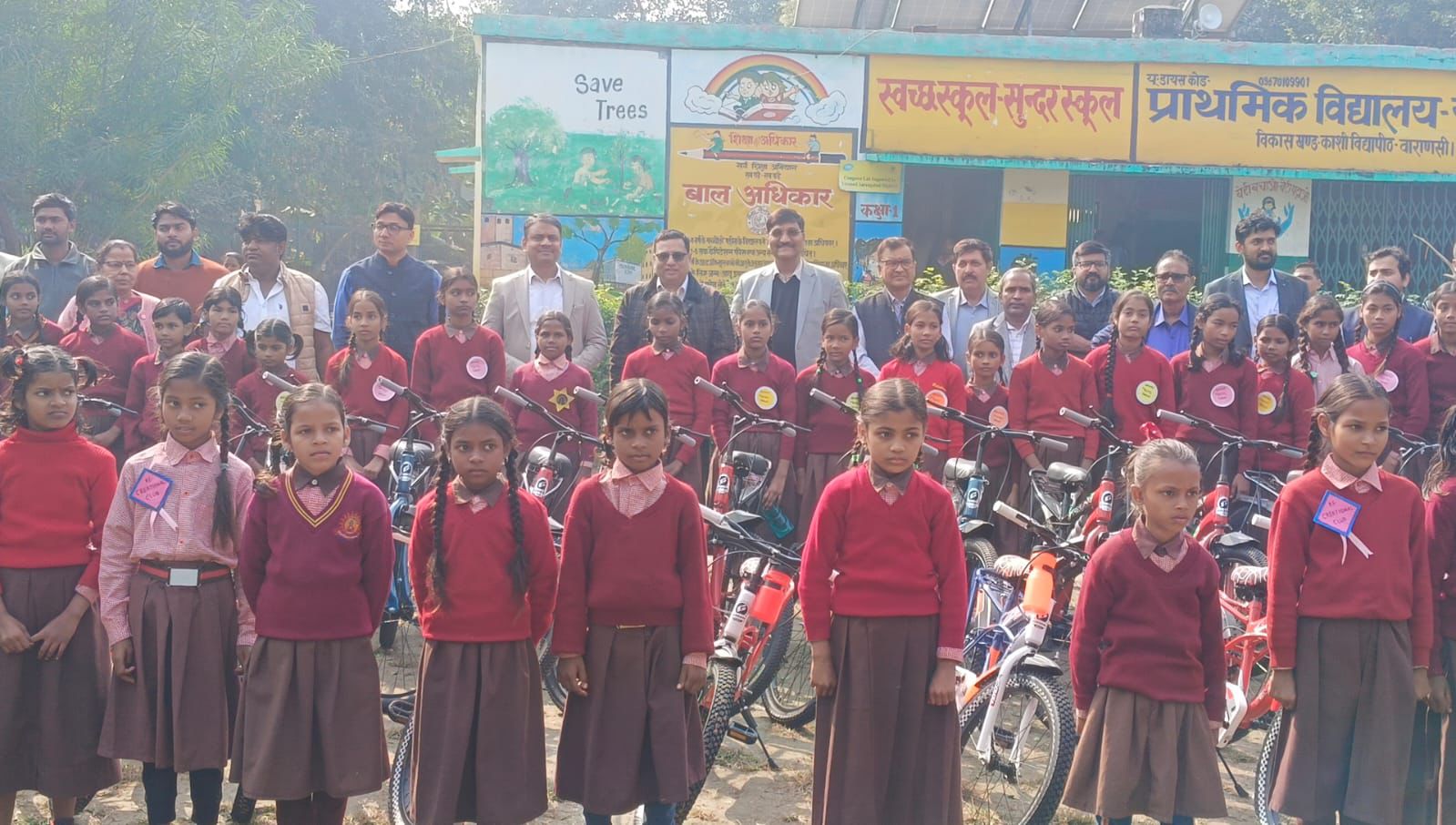
NHAI, in partnership with ROADIS, has launched a cycle-donation initiative to support school-going girls across Uttar Pradesh, Rajasthan and Gujarat. Nearly 100 bicycles were distributed to 80 students from ten schools located along ROADIS-operated highway corridors, helping girls with long or unsafe commutes travel more independently and continue their education. The main event was held in Varanasi, attended by senior NHAI officials who emphasised the role of safe mobility in community development. ROADIS said the drive aligns with its commitment to improving lives around its project areas. The initiative is part of the Shikshaantra Plus programme, which supports learning, digital access and school infrastructure in multiple states.Read more
India’s move to allow greater pension-fund participation in REITs, InvITs and Category I and II AIFs is being seen as a major reform for long-term capital growth. Industry leaders say the change will bring stable, patient capital into real estate, infrastructure and high-growth sectors. Pension funds are expected to strengthen funding for income-generating assets, improve yield stability and support large-scale urban and infrastructure development. Experts note that the policy also helps diversify pension portfolios while raising governance standards and investor confidence. With long-horizon capital entering these investment vehicles, the reform is likely to deepen institutional participation, improve liquidity and support India’s goal of building a more resilient and mature capital market.Read more

Advertisement


Housing prices along the Dwarka Expressway in Gurugram have increased nearly 3.5 times over the past five years, driven by stronger demand and major infrastructure upgrades. A recent Square Yards report highlights how the corridor has shifted from an emerging stretch to one of NCR's most active residential zones, supported by improved connectivity through the 29-km, 16-lane access-controlled expressway. With around 115 active residential developments and several leading developers present, the area continues to attract homebuyers and long-term investors who are responding to rising liveability and faster access to key parts of Delhi and Gurugram.Read more

India recorded more than 1.77 lakh road accident deaths in 2024, reflecting a 2.3% increase from the previous year, according to information shared with Parliament. The data showed that an average of 485 people lost their lives every day. The government highlighted global targets under the Stockholm Declaration, which aims to reduce road deaths and injuries by 50% by 2030. Police records from 2023 had already indicated a high accident burden, with over 4.80 lakh accidents, 1.72 lakh deaths, and nearly 4.63 lakh injuries. India's fatality rate also remained higher than China but lower than the United States.Read more

India's real estate industry bodies CREDAI and NAREDCO welcomed the Reserve Bank of India's recent 25-basis-point repo rate reduction, noting that the move is likely to lower home loan interest rates and support housing demand. The rate cut, introduced after a six-month pause, comes alongside measures aimed at improving liquidity and supporting growth in a stable inflation environment. Industry leaders said the step would help strengthen market sentiment, ease borrowing costs, and encourage investment. While housing sales had surged between 2022 and 2024, volumes moderated this year due to a high base and price escalation.Read more

A new study by Anarock and 360 One Wealth shows Worli remains one of India's strongest ultra-luxury housing markets, with 14 apartments priced above INR 40 crore sold between January and August 2025, totalling around INR 2,800 crore. This already exceeds the full-year value of 2024. Worli accounts for nearly 40% of India's ultra-luxury market and has seen over 20 deals above INR 100 crore in the past three years, including two duplexes sold for more than INR 700 crore in 2025. Premium high-rises now command INR 65,000 to over INR 1,00,000 per sq ft, reinforcing Worli's position as Mumbai's most coveted luxury address.Read more

Bengaluru is set to add nearly 25 million sq. ft. of new Grade-A office space in the second half of FY27, with about a quarter already pre-committed. The city had added 16.3 million sq. ft. in FY25 and 8.4 million sq. ft. in the first half of FY26, while net absorption stayed strong, led by expanding global capability centres. Occupancy has risen to 90.8% and is projected to reach around 92-92.5% by FY27. Bengaluru now holds 26% of Grade-A stock across major metros. Growth is also shifting to peripheral areas like the Hebbal-Devanahalli corridor, and vacancy levels are expected to remain tight despite large upcoming supply.Read more

Advertisement





