Advertisement






The Uttar Pradesh government has successfully completed 29 significant irrigation projects over the past eight years, enhancing irrigation capacity by more than 19 lakh hectares and directly benefiting over 4.3 million farmers statewide. This large-scale initiative has not only bolstered agricultural productivity but also contributed substantially to flood control and water conservation efforts. Among the completed ventures are seven major projects, including the Bansagar Canal and Lahchura Dam, spanning multiple districts. Additionally, medium and small-scale projects have further expanded irrigation reach, positively impacting tens of thousands of farmers and strengthening the region's agrarian infrastructure.Read more

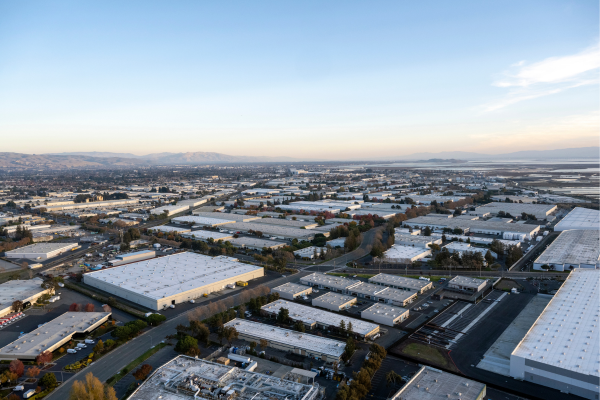
The Delhi government has announced plans to appoint a concessionaire for the redevelopment and management of the Bhorgarh Industrial Area (Bawana Phase II), alongside establishing project management units (PMUs) for nine additional industrial zones. Building on the success of public-private partnerships (PPP) in Bawana and Narela, this initiative aims to transform Bhorgarh into a model industrial zone characterised by cleanliness, safety, and eco-conscious infrastructure. The comprehensive redevelopment will include smart lighting, CCTV surveillance, pothole-free roads, and stormwater drainage. Further emphasising sustainability, the Delhi State Industrial Infrastructure Development Corporation (DSIIDC) is set to plant 85,000 green units during the 2025-26 period to foster a greener industrial environment.Read more
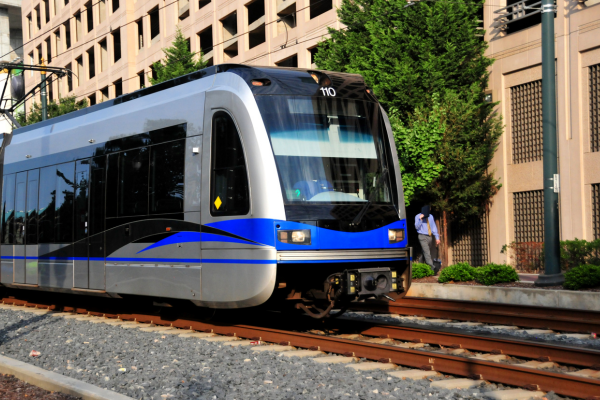
Kochi Metro Rail Limited (KMRL) has invited tenders for constructing five new stations under Phase II along the JLN Stadium Kakkanad corridor at the Palarivattom bypass, Padamugal, Vazhakkala, Chembumukku, and Alinchuvadu. Earlier delayed due to the land acquisition issues and local protests, especially at Chembumukku and Padamugal, the project will now proceed using vacant government land. Construction, to be completed within a year of contract award, includes full station infrastructure. The tender mandates traffic diversion plans, road strengthening, safety measures, and signage. KMRL will coordinate with traffic police to maintain lane access during work, ensuring minimal disruption and enhanced public convenience.Read more
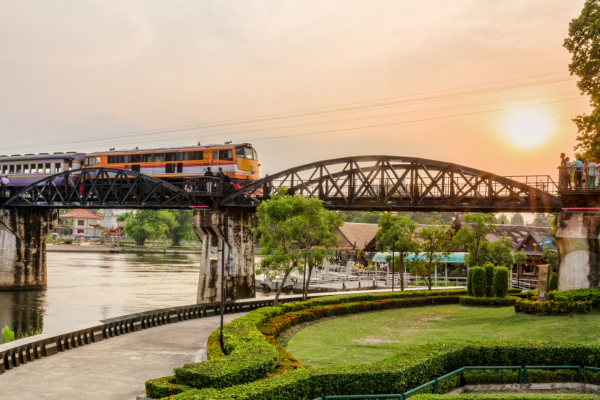
Prime Minister Narendra Modi has inaugurated the Chenab Railway Bridge, now the world's highest railway arch bridge, towering 359 metres above the Chenab riverbed-higher than the Eiffel Tower. Spanning 1.3 km, the steel deck-arch bridge is designed to withstand extreme temperatures, high winds, and seismic forces. It forms the final link in the Udhampur-Srinagar-Baramulla Rail Link (USBRL), giving Kashmir its first complete rail connection to mainland India. Built at a cost of INR 1,486 crore, with a 120-year design lifespan, the bridge features 93 deck segments and a 467-metre main arch. Alongside the newly completed Anji Khad bridge, this milestone enhances connectivity and resilience in the region.Read more
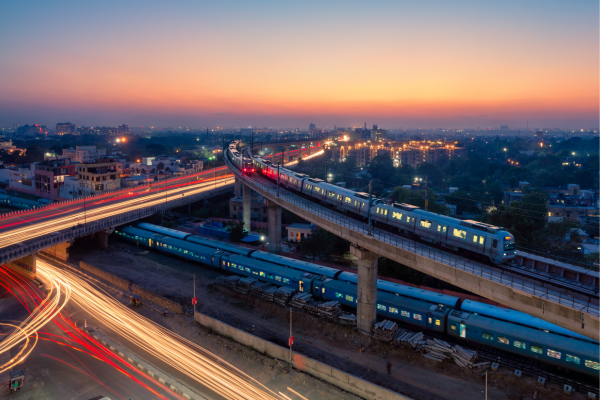
The Brihanmumbai Electric Supply and Transport (BEST) undertaking has begun reshaping its operational strategy to align with growing demand near Mumbai Metro and railway stations. Over the past week, officials reported a significant increase in short-distance feeder services, especially around key Metro routes like Lines 2A and 7. Instead of running long traditional bus routes, BEST is focusing on improving last-mile connectivity through mini and midi buses. This transition is backed by passenger data insights and is expected to optimise efficiency and reduce travel time for commuters.Read more
Advertisement


The Sambalpur Municipal Corporation (SMC) formalised a partnership with the School of Planning and Architecture (SPA), Delhi, aimed at accelerating the city's urban development initiatives. The Memorandum of Understanding, endorsed under the supervision of Union Education Minister Dharmendra Pradhan, will enable SPA Delhi to provide technical and academic expertise to help Sambalpur evolve into a model planned city. The collaboration includes comprehensive support in spatial planning, infrastructure design, heritage conservation, and sustainable urban development, alongside capacity-building programmes and field studies tailored to the city's unique cultural and geographical context.Read more

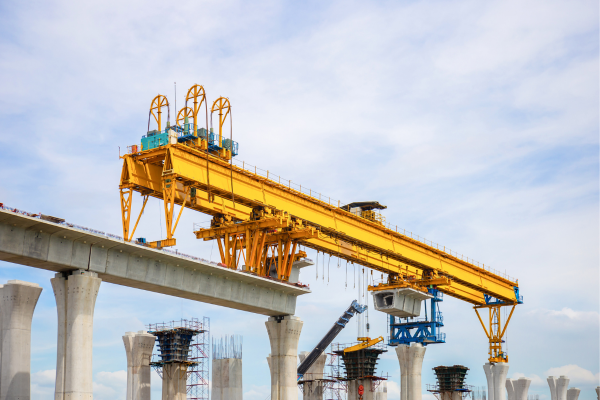
The reconstruction of Mumbai's iconic Byculla bridge, officially the Dr Babasaheb Ambedkar Railway Bridge, has reached the halfway point, with completion targeted by late 2025. The bridge connects NM Joshi Marg to Rani Baug and Clare Road, serving as a vital east-west link over Central Railway tracks. The revamped structure will enhance connectivity to key routes like the Eastern Express Highway, P D'Mello Road, and Mohammed Ali Road. MMRDA officials reported near-completion of substructure work on the eastern side, with western-side construction underway. Steel girder installation will begin shortly. The old bridge was dismantled following safety concerns flagged by IIT Bombay and Central Railway. Phased construction, night work, and coordination with rail authorities have helped the project regain momentum after earlier delays. Once completed, the bridge will significantly ease traffic flow and improve transport connectivity in South Mumbai.Read more
Pune Municipal Corporation (PMC) has advanced a INR 1,500 crore flood mitigation and relocation plan for flood-prone areas-Ektanagari, Vitthalnagar, and Nimbajnagar-along Sinhagad Road. Under the Urban Redevelopment Scheme's cluster development provisions, 1,383 residential units and 67 commercial establishments in designated 'blue zones' will be relocated to Hingne Khurd, outside the floodplain. The proposal is currently under state government review. Meanwhile, PMC has initiated immediate flood control measures, including debris clearance and CCTV monitoring to curb illegal dumping. Approval and funding are critical to executing long-term relocation and redevelopment. Compensation for commercial property owners remains delayed due to legal gaps in current regulations. With monsoon-related flooding intensifying, PMC's comprehensive relocation strategy aims to provide a sustainable solution for vulnerable communities while improving overall urban resilience.Read more

The Uttar Pradesh State Industrial Development Authority (UPSIDA) has allotted 113 plots-88 industrial, 2 commercial, and 23 via Nivesh Mitra-across key zones, aiming to attract INR 700 crore in investment and generate 4,800 jobs. Prime locations include Greater Noida, Kosi Kotwan, Varanasi, Unnao, Hapur, and Saharanpur. Notable allocations: Param Industries secured a warehousing plot for INR 36 crore; Shri Vinayak Group won a commercial plot for INR 31 crore; Evertouch Bioremedies will establish a pharma unit. UPSIDA CEO Mayur Maheshwari highlighted that digital, transparent allotments have boosted investor confidence. The move aligns with Uttar Pradesh's vision to become a USD 1 trillion economy, fostering industrial growth, regional parity, and sectoral diversification. More plots will soon be released as UPSIDA advances its industrial infrastructure agenda, positioning the state as a top investment hub.Read more

Indian Oil Corporation (IOC), the state-owned oil major, has moved decisively into the green hydrogen sector by finalising the levelized cost of hydrogen (LCoH) for a 10,000 tonnes per annum green hydrogen facility at its Panipat refinery and petrochemical complex in Haryana. This is being touted as India's largest green hydrogen project so far. The upcoming facility, which aligns with the National Green Hydrogen Mission, is expected to replace fossil-based hydrogen in refinery operations, marking a significant stride in IOC's decarbonisation strategy and India's clean energy transition.Read more
Advertisement