Advertisement






The Delhi government has announced plans to appoint a concessionaire for the redevelopment and management of the Bhorgarh Industrial Area (Bawana Phase II), alongside establishing project management units (PMUs) for nine additional industrial zones. Building on the success of public-private partnerships (PPP) in Bawana and Narela, this initiative aims to transform Bhorgarh into a model industrial zone characterised by cleanliness, safety, and eco-conscious infrastructure. The comprehensive redevelopment will include smart lighting, CCTV surveillance, pothole-free roads, and stormwater drainage. Further emphasising sustainability, the Delhi State Industrial Infrastructure Development Corporation (DSIIDC) is set to plant 85,000 green units during the 2025-26 period to foster a greener industrial environment.
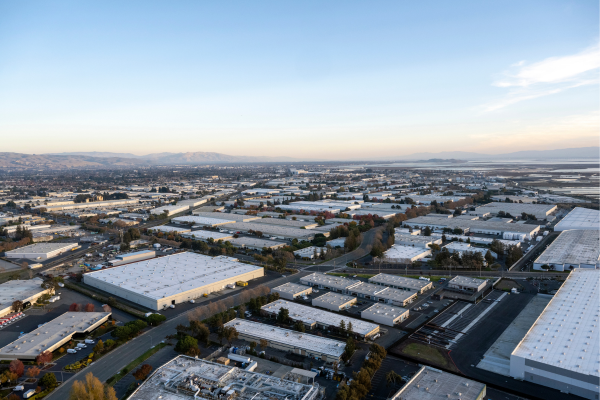
The Delhi government has moved forward with plans to engage a concessionaire responsible for the redevelopment and ongoing management of the Bhorgarh Industrial Area, also known as Bawana Phase II. Additionally, project management units (PMUs) will be established across nine other industrial areas to ensure enhanced operational oversight and infrastructure development, as announced by the state's Industries Minister, Manjinder Singh Sirsa, earlier this week. Advertisement


According to the minister, the long-standing demands of industrialists for improved industrial infrastructure are set to be fulfilled soon by the current administration. Sirsa conveyed that the Bhorgarh zone will be transformed into a benchmark industrial area - clean, safe, efficient, and free from pollution. The process for establishing PMUs in the remaining industrial areas is already underway, with requests for proposals (RFPs) issued and pre-bid meetings completed.
The PPP model, which has already yielded positive outcomes in Bawana and Narela industrial zones, is being extended to Bhorgarh and the other ten industrial areas. This approach has helped these zones set high standards in cleanliness, maintenance, and infrastructure, which the government aims to replicate across all areas under its administration. The minister emphasised that such redevelopment will usher in a new era of industrial planning focused on eco-conscious growth.
The concessionaire's role will encompass a broad range of responsibilities designed to upgrade urban industrial infrastructure comprehensively. These include maintaining pothole-free roads, installing effective stormwater drainage systems, implementing smart lighting solutions, and providing 24x7 CCTV surveillance to enhance security and efficiency within these industrial hubs.
Furthermore, the government has demonstrated its commitment to sustainability by setting an ambitious plantation target for the Delhi State Industrial Infrastructure Development Corporation (DSIIDC) for the 2025-26 period. This target involves planting 85,000 green units, consisting of 25,000 trees, 50,000 shrubs, and 10,000 bamboo plants. Such efforts are intended to contribute significantly to Delhi's vision of a cleaner and greener industrial future.
By combining robust infrastructure improvements with environmental responsibility, the government aims to create industrial areas that are not only efficient and secure but also aligned with global standards of eco-conscious development. This balanced approach could position Delhi as a leader in sustainable industrial management, setting a replicable model for other urban centres striving for greener and smarter industrial ecosystems.
Source - PTI

5th Jun, 2025

25th May, 2023

11th May, 2023

27th Apr, 2023
Advertisement





 Facebook
 Whatsapp
