Advertisement






The Gulf conflict has disrupted global supply chains, pushed...
REITs have changed the way commercial real estate is owned a...
What really powers the cloud? Behind every Google search, A...
What really powers the cloud? Behind every Google search, A...
Luxury real estate is one of the most talked-about segments ...
25 Oct 2026
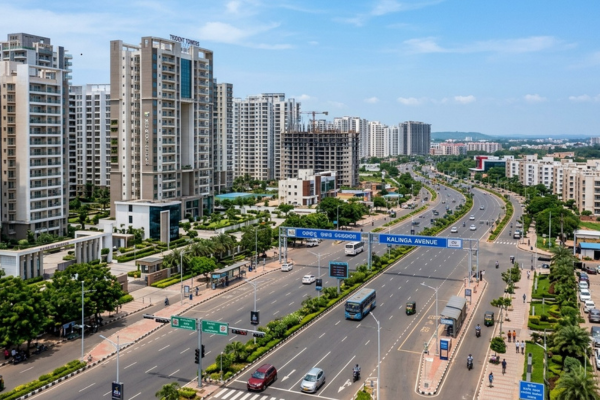
Bhubaneswar is gaining prominence as an emerging real estate market, supported by infrastructure development, employment generation, urbanisation and growth in services-led industries. A CII-Knight Frank India report identified the Odisha capital among 11 emerging markets driving India's next phase of real estate growth. Residential property prices in the city rose 63% between 2021 and 2026, compared with 42% across India's eight largest metropolitan markets. Between 2016 and 2026, residential prices recorded a compound annual growth rate of 8%, twice the 4% registered by major metros. The city's expanding services economy, which accounts for approximately 50% of its GDP, is supporting demand across residential, commercial, retail, hospitality and warehousing segments. Premium housing demand is evident in locations such as Patia, Khandagiri and Chandrasekharpur, while more affordable residential options are gaining traction in suburban areas, including Pahal, Raghunathpur, Patrapara and Sundarpada.Read more
25 Oct 2026
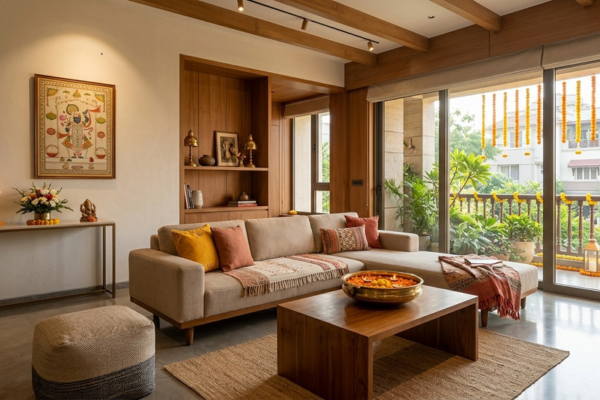
As Indian households prepare for Navratri and Diwali, residential design offers an opportunity to bring traditional spatial principles into contemporary living environments. Architect Narendra Sardeshpande, founder of NSA Architects, explores how natural light, ventilation, spatial flow and material selection can shape homes that accommodate festive rituals without compromising everyday functionality. His approach focuses on interpreting traditional planning principles through modern architectural solutions, including integrated prayer spaces, thoughtfully designed entrance foyers, concealed storage and uncluttered layouts. Natural materials such as stone, teak wood and terracotta, combined with neutral interior palettes, provide a flexible foundation for seasonal decorations and changing household needs. By balancing cultural practices with contemporary design requirements, homeowners can create spaces that support family gatherings, enhance comfort and retain their practical value throughout the year.Read more
24 Oct 2026
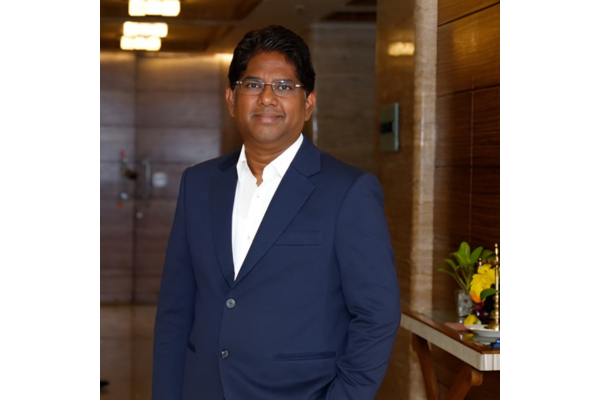
Ageing elevator systems in residential and commercial buildings across Indian cities are prompting housing societies and property managers to consider modernisation as an alternative to complete replacement. Many buildings in Mumbai, Pune, Delhi and Kolkata continue to use elevators installed 15 to 25 years ago, with concerns including frequent breakdowns, outdated safety mechanisms, inefficient energy consumption and rising maintenance requirements. Modernisation involves upgrading critical components such as controllers, motors, door operators and wiring systems to improve operational reliability, passenger safety and ride quality. The approach also allows property owners to address changing safety and accessibility requirements while managing costs and limiting disruption to occupants. As building densities increase and existing infrastructure ages, upgrading elevator systems is becoming an important consideration for residential societies, commercial property owners, developers and facility managers responsible for maintaining building operations.Read more
18 Oct 2026
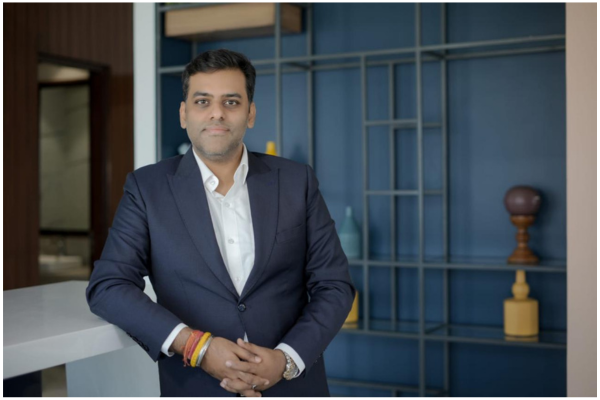
Longevity is emerging as an important consideration in sustainable real estate and design, extending the conversation beyond energy efficiency and material selection to a building’s ability to remain functional, adaptable and relevant over time. Through hospitality projects such as TUTC Jaagir Lodge in Dudhwa and The Range Chalets in Abuja, Nigeria, the discussion explores how climate-responsive construction, durable materials, local resources and flexible planning can support long-term use. While longevity alone does not guarantee sustainability, designing for maintenance, repair, reuse and adaptation can contribute to a project’s environmental, operational and economic performance.Read more

18 Oct 2026
Infrastructure development plays an important role in shaping urban growth and creating real estate investment opportunities. Highways, expressways, metro networks and airports improve connectivity, influence land values and attract employment and commercial activity to emerging locations. As residential demand grows, access to schools, hospitals, retail spaces and other essential amenities helps these areas develop into established urban centres. However, infrastructure alone does not guarantee investment success. Regulatory approvals, buyer demand, pricing, construction quality and the developer's track record remain equally important in determining whether an opportunity can deliver sustainable long-term value.Read more
Advertisement






18 Oct 2026
Bengaluru’s premium housing market is moving beyond conventional measures of luxury, with homebuyers increasingly valuing natural surroundings, open spaces and wellbeing. According to ANAROCK, homes priced above INR 1.5 crore accounted for 34% of the city’s residential launches in 2024, compared with 23% in 2023. In 2025, residential sales reached approximately INR 89,000 crore, while average capital values stood at around INR 9,100 per sq ft. Against this backdrop, biophilic design is gaining relevance, particularly in high-density urban areas. The approach integrates natural light, ventilation, greenery and outdoor spaces into residential planning. East Bengaluru, which accounted for 45% of launches and sales in 2025, is an important market for this evolving approach to premium housing.Read more
17 Oct 2026
Property technology has digitised property searches, site appraisals, conveyancing and portfolio management, but financing often remains disconnected from these processes. Embedded finance is beginning to bridge this gap by integrating funding options directly into property technology platforms. In the UK, where more than 845 active proptech companies have attracted over GBP 3 billion in cumulative funding, this represents a potential next stage of sector development. One example is the integration of Brickflow’s lender marketplace into LandTech’s site appraisal platform, enabling developers to compare funding options while assessing a site. The integration has also facilitated a GBP 2.39 million land bridge refinance, demonstrating how funding can be sourced and completed within an existing property technology workflow.Read more

17 Oct 2026
Smart-home technology is emerging as an important component of senior housing in India, supporting safety, independent living and access to healthcare as the elderly population grows. India has 166.9 million people aged 60 and above, a figure projected to reach 191.5 million by 2030 and 346 million by 2050. However, organised senior housing remains limited, with JLL estimating approximately 25,000 units of organised senior-living stock by June 2026. Technologies such as motion sensors, emergency alerts, voice-controlled appliances, wearable health monitors and telehealth platforms can help residents manage daily activities while enabling caregivers to respond to potential risks. For developers and investors, technology-enabled housing also presents opportunities to improve operational efficiency and resident experience, although affordability, data privacy, cybersecurity and the availability of trained caregivers remain key considerations.Read more

17 Oct 2026
Indian homebuyers are increasingly assessing residential properties on factors beyond price, size and location, with connectivity, neighbourhood safety, access to essential services and everyday convenience becoming important considerations. While affordability remains central, particularly for first-time buyers, purchasing decisions are increasingly influenced by the overall value a property offers and its suitability for changing lifestyle needs. In urban markets such as Delhi-NCR, commuting times and access to public transport can significantly affect residential preferences. Digital listings, virtual tours and online mapping tools have also made it easier for buyers to compare properties and evaluate neighbourhoods before visiting sites. According to Mukesh Kumar, founder and director of M-SANVI Real Estate Pvt. Ltd., homebuyers are considering financial affordability alongside connectivity, safety and liveability when evaluating residential options.Read more

16 Oct 2026
Pimpri-Chinchwad (PCMC) is emerging as a premium residential destination, supported by its industrial and IT employment corridors, expanding social infrastructure and improving regional connectivity. In this article, Satish Agarwal, Managing Director of Aishwaryam Group, examines the factors driving the region’s evolution beyond value-led housing, including road and metro connectivity, changing homebuyer preferences and the growing demand for lifestyle-oriented developments. Pune’s rising share of higher-priced housing also reflects a broader shift towards premium residences. Agarwal highlights the importance of preserving green spaces, strengthening liveability and integrating healthcare, education, transport and commercial infrastructure to support sustainable urban growth. He also outlines Aishwaryam Group’s approach to evolving buyer expectations through differentiated, lifestyle-led residential offerings, including its FashionTV-associated portfolio.Read more
Advertisement








