Advertisement






The Gulf conflict has disrupted global supply chains, pushed...
REITs have changed the way commercial real estate is owned a...
What really powers the cloud? Behind every Google search, A...
What really powers the cloud? Behind every Google search, A...
Luxury real estate is one of the most talked-about segments ...
ADNOC is expected to complete a second crude oil pipeline by around January, doubling the capacity of its existing onshore route to about 3.6 million barrels per day, Inpex Senior Executive Vice President Toshiaki Takimoto said. The project will expand the United Arab Emirates' ability to transport crude to Fujairah without using the Strait of Hormuz. Takimoto also said a third pipeline was planned for completion around 2029, while Inpex could consider supporting further expansion if it helped secure shipments of crude in which it has an interest.
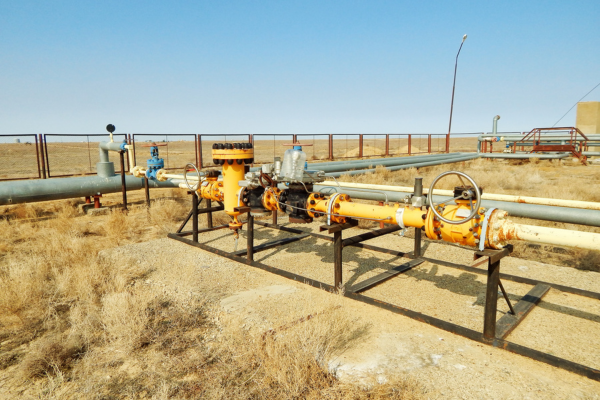
Abu Dhabi National Oil Company (ADNOC) is expected to complete a second crude oil pipeline by around January 2027, increasing the combined capacity of its onshore export route to approximately 3.6 million barrels per day (bpd), an executive at Japan's Inpex Corp said.
Toshiaki Takimoto, Inpex's senior executive vice president, said on Thursday that the existing pipeline has a capacity of about 1.8 million bpd and carries crude from inland oil fields. The second line is expected to lift the route's combined capacity to about 3.6 million bpd. ADNOC was not immediately available for comment outside office hours.
The expansion is part of the United Arab Emirates' effort to increase the volume of crude that can reach export markets without passing through the Strait of Hormuz. The existing onshore route connects oil-producing areas in Abu Dhabi with Fujairah, on the Gulf of Oman, allowing tankers to load outside the narrow waterway.
The Strait of Hormuz is a major route for global energy shipments, linking the Gulf with the Gulf of Oman and the Arabian Sea. Disruption to traffic through the strait can affect crude exports from several Gulf producers. The UAE's pipeline infrastructure provides an alternative route for some of its oil, although the existing line's capacity limits the volumes that can be transported directly to Fujairah.
ADNOC said in May that it was accelerating construction of the second pipeline to double export capacity through Fujairah. The company said at the time that the project was about 50% complete and that delivery was being brought forward towards 2027. Takimoto's latest estimate points to completion around the beginning of that year.
He also said a third pipeline was planned, with completion expected around 2029. He did not provide details on the proposed line's capacity, route or investment requirements. The additional project would follow the second line and could further expand the UAE's ability to move crude to Fujairah, although its scope and timing were not outlined.
Inpex may consider supporting an expansion of the UAE's crude oil pipeline network if asked, Takimoto said. Any involvement would depend on whether the company could ensure smooth shipments of crude in which it has an interest. He did not disclose whether discussions on financial participation had taken place or what form any support might take.
The energy company has an established position in Abu Dhabi's upstream sector. Inpex holds a 5% interest in the Abu Dhabi Onshore Concession, in which ADNOC is the operator. The concession covers 11 onshore oil fields with a combined production capacity of about 2 million bpd, according to Inpex's website.
The pipeline is relevant to Inpex because it has a stake in crude production in the emirate and depends on routes that allow its share of output to reach buyers. Takimoto's comments indicate that the company is assessing potential infrastructure support in relation to the reliability of those shipments, rather than confirming a financial commitment.
Source- Reuters

17th Nov, 2026

15th Nov, 2026

14th Nov, 2026



2nd Nov, 2026

30th Oct, 2026


Advertisement








 Facebook
 Whatsapp

