SBI Term Loan: RLLR: 8.15 | 7.25% - 8.55%
Canara Bank: RLLR: 8 | 7.15% - 9.85%
ICICI Bank: RLLR: -- | 8.5% - 9.65%
Punjab & Sind Bank: RLLR: 7.3 | 7.35% - 10.75%
Bank of Baroda: RLLR: 7.9 | 7.2% - 8.95%
Federal Bank: RLLR: -- | 7.35% - 9.6%
IndusInd Bank: RLLR: -- | 7.6% - 10%
Bank of Maharashtra: RLLR: 8.05 | 7% - 9.15%
Yes Bank: RLLR: -- | 7.4% - 10.54%
Karur Vysya Bank: RLLR: 8.8 | 8.5% - 10.65%
HDFC Bank: RLLR: -- | 7.75% - 13.2%
Axis Bank: RLLR: -- | 8% - 9.1%
IDBI Bank: RLLR: -- | 7.4% - 10%

Singapore Airlines backs Air India’s turnaround as losses narrow but remain substantial

#International News#Commercial#Singapore
Synopsis

Singapore Airlines has reaffirmed its support for Air India’s multi-year transformation, saying the carrier has made progress in customer experience and operational performance, although a turnaround will take time. SIA’s share of Air India’s losses fell to SGD 361.7 million in the first half of FY2026-27, implying an estimated loss of about SGD 1.44 billion for the Indian airline. The update comes as Air India continues cost-control measures amid a substantial annual loss and pressure to achieve sustainable profitability and improve operating efficiencies.
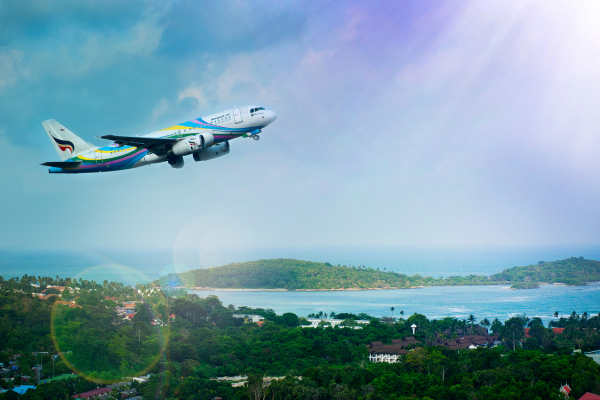
Singapore Airlines (SIA) has reiterated its support for Air India’s multi-year transformation, saying the carrier has made tangible progress in customer experience and operational performance, while cautioning that a turnaround of this scale will take time.


SIA holds a 25.1 per cent stake in Air India Group and considers the investment a key part of its multi-hub strategy, giving it access to India’s aviation market. Its share of Air India’s losses declined to SGD 361.7 million in the six months ended September 2026, from SGD 429.5 million a year earlier.

Based on its stake, the lower loss share implies that Air India recorded a loss of approximately SGD 1.44 billion, or around SGD 1.13 billion, during the six-month period, according to Mint’s calculations. Mint noted that this estimate may differ from Air India’s own accounts because of accounting adjustments. The privately held airline does not publish quarterly results like listed carriers; its financial statements are available through statutory filings with the Ministry of Corporate Affairs.

SIA said improvements at Air India included customer experience and operational performance, accompanied by better customer sentiment. SIA and Tata Sons are working to strengthen structural cost efficiencies, generate synergies between Air India and Air India Express, refine the airline’s commercial strategy and improve its customer proposition.

The partnership is focused on supporting Air India’s journey towards profitable growth while responding to external challenges facing the aviation sector. SIA said its participation in India complements its Singapore hub and broadens access to traffic flows.

Air India’s financial position remains under pressure. The group reported a consolidated net loss of INR 22,238 crore in FY2025-26, while revenue declined to INR 70,086 crore from INR 76,754 crore in the previous financial year. Tata Sons chairman N. Chandrasekaran has estimated that the airline’s turnaround could take five to 10 years.

The carrier has stepped up its focus on expenditure control. In October, it formed a multidisciplinary team to identify cost-saving opportunities. Chief executive and managing director Tewolde Gebremariam, who took charge in September, has urged employees to adopt greater frugality and accountability. The airline has tightened approvals for on-duty travel, introduced incentives for employee cost-saving ideas and is pursuing closer integration with Air India Express to reduce duplication.

SIA’s own results reflected pressure from operating costs. Its net profit for the six months ended September fell 44 per cent to SGD 133.9 million, from SGD 239 million a year earlier, while operating profit declined 29 per cent to SGD 569.2 million. Revenue increased 16.8 per cent to SGD 11.3 billion. In the September quarter, net profit rose to SGD 209.7 million from SGD 52.4 million, helped by stronger operating performance and a lower share of losses from associated companies, mainly Air India.

The airline also flagged elevated jet fuel prices and geopolitical uncertainty, including the Middle East conflict, as continuing pressures on costs and demand. It said higher fares and cargo rates had not fully offset sustained fuel prices.

Discussion

Have something to say? Post your comment