SBI Term Loan: RLLR: 8.15 | 7.25% - 8.55%
Canara Bank: RLLR: 8 | 7.15% - 9.85%
ICICI Bank: RLLR: -- | 8.5% - 9.65%
Punjab & Sind Bank: RLLR: 7.3 | 7.35% - 10.75%
Bank of Baroda: RLLR: 7.9 | 7.2% - 8.95%
Federal Bank: RLLR: -- | 7.35% - 9.6%
IndusInd Bank: RLLR: -- | 7.6% - 10%
Bank of Maharashtra: RLLR: 8.05 | 7% - 9.15%
Yes Bank: RLLR: -- | 7.4% - 10.54%
Karur Vysya Bank: RLLR: 8.8 | 8.5% - 10.65%
HDFC Bank: RLLR: -- | 7.75% - 13.2%
Axis Bank: RLLR: -- | 8% - 9.1%
IDBI Bank: RLLR: -- | 7.4% - 10%

KWA to relocate 1 km water pipeline for Thiruvananthapuram-Kanyakumari rail project

#Infrastructure News#Infrastructure#India#Kerala#Thiruvananthapuram
Synopsis

The Kerala Water Authority (KWA) is expected to begin the fifth phase of water pipeline relocation between Nemom and Killipalam in Thiruvananthapuram during the first week of December 2026. The work involves shifting an existing pipeline along approximately 1 km to facilitate the railway track-doubling project between Thiruvananthapuram and Kanyakumari. The tender for the pipeline relocation is scheduled to be opened on November 10, with work expected to commence after completion of the contract formalities. KWA officials said the relocation was necessary to prevent damage to the existing water distribution network during railway construction. The authority has planned the work in coordination with railway infrastructure development to ensure that consumers' water supply remains uninterrupted. Completion of this phase will allow railway authorities to proceed with track-doubling work along the Nemom-Killipalam stretch.
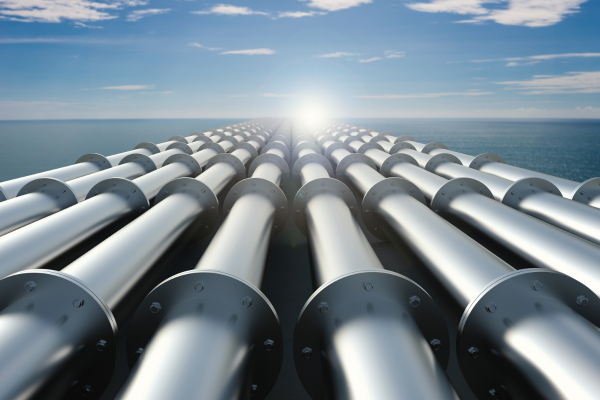
The Kerala Water Authority (KWA) is expected to commence the fifth phase of water pipeline relocation between Nemom and Killipalam in Thiruvananthapuram during the first week of December 2026, facilitating the ongoing railway track-doubling project between Thiruvananthapuram and Kanyakumari. The proposed work involves shifting an existing water pipeline along approximately 1 km of the stretch. The tender is scheduled to be opened on November 10, with the relocation expected to begin after the completion of the tendering and contract procedures.


According to KWA officials, the fifth phase of pipeline relocation has reached its final preparatory stage, and the remaining contract formalities are expected to be completed following the tender process. The work is being undertaken alongside the railway infrastructure development to ensure that the existing water distribution network does not obstruct or suffer damage during the track-doubling operations.

A KWA engineer said the relocation was necessary because railway construction activities could otherwise pose a risk to the existing water pipelines, potentially resulting in damage and disruption to water supply. The authority has therefore planned the shifting work in coordination with railway development activities so that both infrastructure projects can progress without interfering with each other.

The engineer also indicated that the relocation had been planned to avoid interruptions to consumers' water supply. The existing flow of water is expected to remain unaffected during the implementation of the pipeline-shifting work.

The fifth phase forms part of the wider exercise to relocate water infrastructure along the Nemom-Killipalam section, where railway track-doubling work is being undertaken as part of the Thiruvananthapuram-Kanyakumari railway project. The pipeline relocation is a necessary preparatory activity to provide the railway authorities with the required space to carry out construction without affecting essential water infrastructure.

Once the fifth phase is completed, railway authorities will be able to proceed with the track-doubling work along the Nemom-Killipalam stretch. The coordination between KWA and railway authorities is intended to ensure that the development of transport infrastructure does not compromise the functioning of the existing urban water distribution network.

The project highlights the need to coordinate utility relocation with railway infrastructure development, particularly in built-up urban areas where water pipelines and transport corridors share limited space.

Discussion

Have something to say? Post your comment