Advertisement






The Gulf conflict has disrupted global supply chains, pushed...
REITs have changed the way commercial real estate is owned a...
What really powers the cloud? Behind every Google search, A...
What really powers the cloud? Behind every Google search, A...
Luxury real estate is one of the most talked-about segments ...
The Karnataka government has increased bus fares across all four state-run transport corporations, with the revised rates taking effect from midnight on November 4. The average increase is around 23% for the Karnataka State Road Transport Corporation (KSRTC) and 33% to 35% for the Bengaluru Metropolitan Transport Corporation (BMTC). Transport Minister Byrathi Suresh said the revision was intended to reduce mounting operational losses and improve the financial position of the corporations, rather than generate profits. The changes cover ordinary, express, long-distance and airport services.
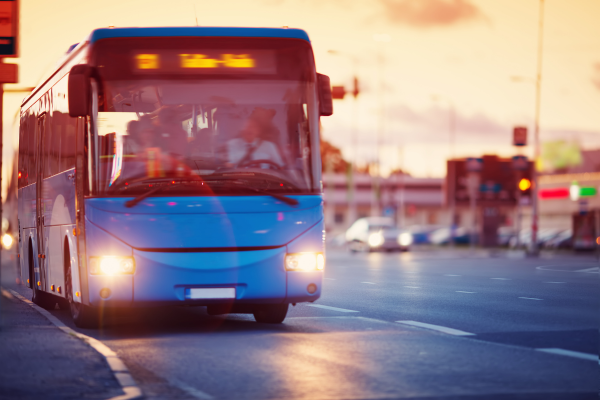
The Karnataka government has increased bus fares across its four state-run transport corporations, citing rising operating costs and mounting financial losses. The revised rates came into effect from midnight on November 4, with the increase varying according to the distance travelled and category of service.
The revision covers the Karnataka State Road Transport Corporation (KSRTC), Bengaluru Metropolitan Transport Corporation (BMTC), North Western Karnataka Road Transport Corporation (NWKRTC) and Kalyana Karnataka Road Transport Corporation (KKRTC). Transport Minister Byrathi Suresh said the average increase would be around 23% for KSRTC services and between 33% and 35% for BMTC services.
The minister said the objective was to reduce losses and protect the financial position of the transport corporations, rather than make profits. He added that the government had limited the increase after considering recommendations from a committee headed by retired IAS officer Atul Kumar Tiwari. The committee had recommended an overall fare increase of 45%, while the corporations' boards had sought hikes of up to 90% in certain cases.
In Bengaluru, the minimum fare for ordinary BMTC buses has increased from INR 6 to INR 10, while the maximum has risen from INR 35 to INR 45. The maximum fare on air-conditioned Vajra services has increased from INR 75 to INR 90. For Vayu Vajra airport buses, the maximum fare has been revised from INR 405 to INR 425, while the minimum has increased from INR 185 to INR 200.
For KSRTC services, the increase depends on the stage and type of bus. The minister said ordinary bus fares would rise by a maximum of INR 9, while the increase across different stages could range from INR 4 to INR 16. The fare from Bengaluru's Majestic bus stand to Nelamangala and Hoskote has increased from INR 35 to INR 44. Journeys to Doddaballapur and Anekal now cost INR 47, compared with INR 38 earlier. The fare to Magadi and Malur has risen from INR 46 to INR 57.
On KSRTC express services, the fare from Bengaluru to Kolar has increased from INR 81 to INR 100. For long-distance services, the minimum fare has been raised from INR 15 to INR 20, while a 60-km journey now costs INR 90, compared with INR 75 earlier. Fares for commercial premium services such as Rajahamsa and air-conditioned buses have not been revised under this exercise.
Suresh attributed the decision to higher diesel prices and employee-related expenditure. Diesel prices had increased by INR 10.47 per litre since May 2025 to INR 98.13, while the four corporations together spend around INR 5,694 crore annually on fuel. Their outstanding diesel bills stood at INR 1,111.88 crore, he said. The corporations generate annual revenue of around INR 14,000 crore against expenditure of nearly INR 16,000 crore. They operate approximately 26,125 buses, run 24,179 daily schedules and carry an average of 1.24 crore passengers daily. Their combined workforce is around 1.02 lakh employees.
The minister also rejected claims that the Shakti scheme, which provides free travel to women on non-luxury state-run buses, was responsible for the financial strain. He said the government reimburses the corporations for tickets issued under the scheme, although payments may sometimes be delayed. Around 74.40 lakh women use the facility each day.
The revised fares will increase travel costs for passengers using the affected services, while the government expects the additional revenue to help ease the corporations' financial pressures.
Source- PTI

16th Nov, 2026

14th Nov, 2026
13th Nov, 2026
13th Nov, 2026

13th Nov, 2026

Advertisement









 Facebook
 Whatsapp

