Advertisement






The Gulf conflict has disrupted global supply chains, pushed...
REITs have changed the way commercial real estate is owned a...
What really powers the cloud? Behind every Google search, A...
What really powers the cloud? Behind every Google search, A...
Luxury real estate is one of the most talked-about segments ...
Karnataka is seeking a larger financial contribution from the Centre and faster approvals for pending Bengaluru Metro projects ahead of Prime Minister Narendra Modi's visit to the city. The state government said it has borne approximately 84 per cent of the combined INR 77,891 crore cost of Metro Phases 1, 2, 2A, 2B and the estimated cost of Phase 3. The demand is expected to be raised during Modi's visit for the inauguration of a 7.5-km elevated Pink Line stretch.
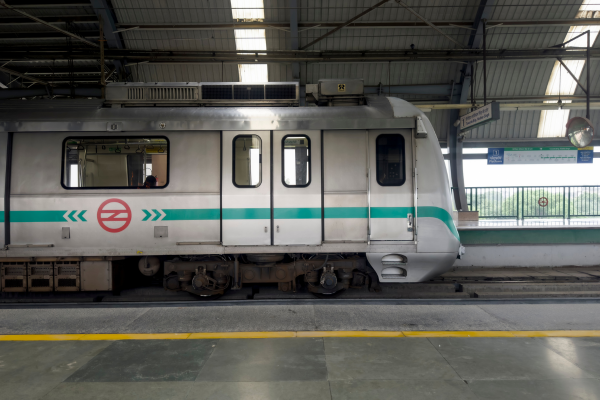
Karnataka is seeking a larger financial contribution from the Centre and faster clearances for pending Bengaluru Metro projects, highlighting the share of expenditure it has borne across completed and planned phases. The request is expected to be raised with Prime Minister Narendra Modi during his visit to Bengaluru for the inauguration of a 7.5-km elevated section of Namma Metro’s Pink Line.
Greater Bengaluru Development Minister Krishna Byre Gowda said the combined cost of Metro Phases 1, 2, 2A, 2B and the estimated cost of Phase 3 stood at INR 77,891 crore. Karnataka has contributed INR 65,291 crore, or about 84 per cent, while the Centre’s contribution is INR 12,600 crore, accounting for 16 per cent.
Gowda said the state was effectively spending nearly five rupees for every rupee contributed by the Centre, a funding pattern he said differed from the commonly cited 50:50 arrangement for metro projects. He said the Centre’s share had declined across successive phases, while Karnataka continued to meet land acquisition costs, project escalations and operating losses.
The state has borne approximately INR 1,046 crore in Metro operating losses, with another INR 52 crore yet to be reimbursed, Gowda said. He also flagged the financial impact of delays in project approvals and international borrowing. Although the Centre facilitates loans from international financial institutions, the state is responsible for repayment, while currency depreciation adds to the cost.
Gowda said Bengaluru, as a major economic centre and contributor to GST and income tax revenues, deserved greater central investment in its infrastructure.
Karnataka is seeking early approval for the proposed 37.8-km Sarjapur-Hebbal Metro corridor, also referred to as the Red Line. Gowda said the proposal, submitted in January 2025, had remained pending for nearly 22 months. Delays could lead to construction cost escalation and increase the state’s financial commitments. The government plans to seek time-bound approvals and a more equitable funding arrangement.
The appeal is being raised ahead of Modi’s Bengaluru visit on 13 November, when he is scheduled to inaugurate a 7.5-km elevated stretch of the Pink Line connecting Kalena Agrahara and Tavarekere (Suddaguntepalya). The section is expected to open for public services at 6 am on 14 November, taking Bengaluru’s operational Metro network to approximately 103 km, beyond the 100-km mark for the first time.
The new stretch is expected to improve connectivity along Bannerghatta Road through the Jayadeva interchange station. It will connect commuters to destinations including Electronic City, Silk Board, HSR Layout, Jayanagar, Majestic and Whitefield. Five trains are expected to operate initially at eight-minute intervals, with frequency to be reviewed based on passenger demand and signalling stability.
Chief Minister D.K. Shivakumar has highlighted the state’s financial burden, including expenditure on land acquisition, construction and interest payments, as well as additional costs arising from project delays. The state government has launched a social media campaign drawing attention to what it describes as the Centre’s limited contribution to the city’s Metro expansion.

16th Nov, 2026

13th Nov, 2026

12th Nov, 2026

Advertisement








 Facebook
 Whatsapp

