Advertisement






The Gulf conflict has disrupted global supply chains, pushed...
REITs have changed the way commercial real estate is owned a...
What really powers the cloud? Behind every Google search, A...
What really powers the cloud? Behind every Google search, A...
Luxury real estate is one of the most talked-about segments ...
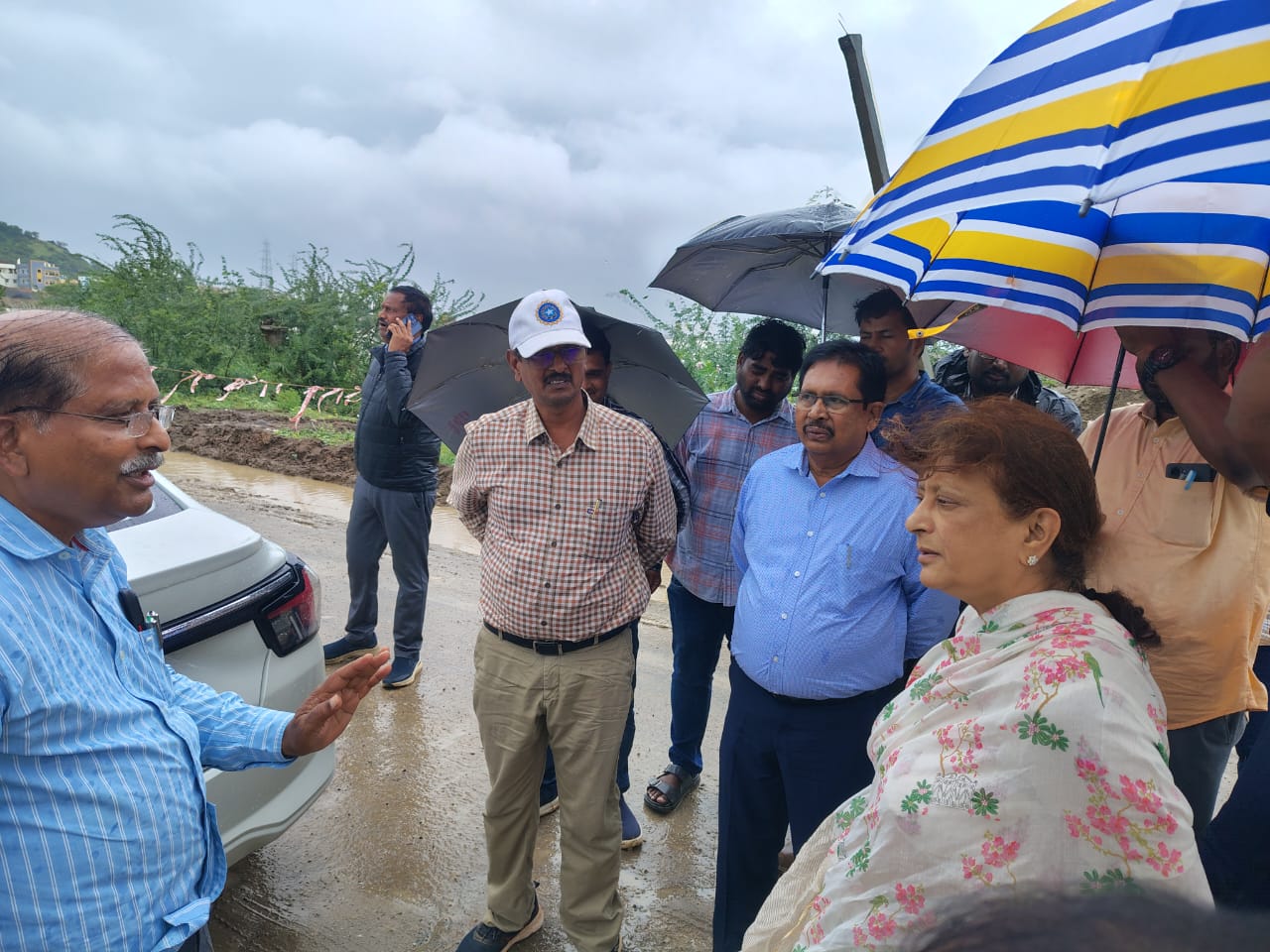
The Andhra Pradesh Capital Region Development Authority (APCRDA) conducted a training programme on flood control and water management at its headquarters in Rayapudi, Amaravati, on Thursday. The session focused on measures to reduce flood risks, improve rainwater movement and use blue-green infrastructure in the capital region. PgMC Flood Mitigation Senior Specialist Ashok Grover briefed officials from APCRDA, ADCL and AGICL on existing plans, including widening the Palavagu and Kondaveeti streams, developing a gravity canal and building reservoirs to meet the city's water requirements. The programme also included discussions on long-term water management and flood mitigation.
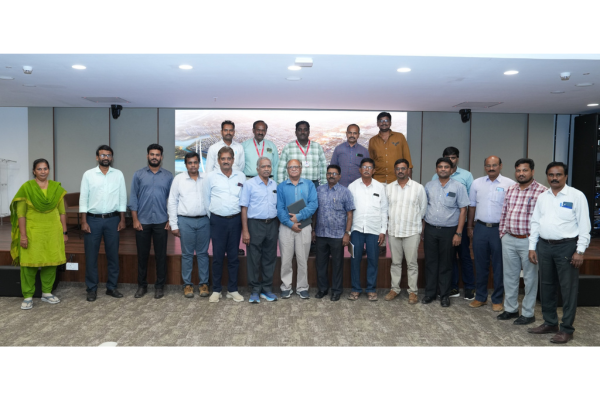
The Andhra Pradesh Capital Region Development Authority (APCRDA) has conducted a training programme on flood control, water management and blue-green infrastructure as part of its efforts to develop Amaravati as a sustainable and inclusive capital city. The programme was held at the APCRDA headquarters in Rayapudi on Thursday and focused on improving flood preparedness and managing rainwater across the capital region.
Ashok Grover, senior specialist for flood mitigation at PgMC, addressed officials and staff from APCRDA, Amaravati Development Corporation Limited (ADCL) and AGICL. He explained the measures being planned to control floods in Amaravati and the policies required to reduce their impact in the coming years.
The state government is working to make Amaravati less vulnerable to flooding. APCRDA and ADCL are implementing plans to improve the capacity of existing streams and strengthen the city's drainage network. These measures include widening the Palavagu and Kondaveeti Vagu streams and developing a gravity canal to improve the movement of rainwater and facilitate its discharge.
Flood management is a key consideration in Amaravati's development because of its proximity to the Krishna River and the seasonal flow of the Kondaveeti Vagu. APCRDA's environmental assessment has identified instances where high water levels in the Krishna River can prevent the stream from draining water by gravity, increasing the risk of flooding in low-lying areas. The authority's flood management plans therefore include improvements to drainage channels and other infrastructure to manage excess water.
The authorities are also taking steps to construct reservoirs to store water according to the city's requirements. Grover explained that the stored water would be used to meet the city's needs, while plans were also being considered to use its water resources for transportation in the future.
The programme included interactive discussions on different aspects of flood control and water management. Officials from the participating organisations raised questions and clarified their doubts about managing water resources and addressing flood risks during Amaravati's development.
The officials said such training programmes would improve awareness and coordination among the organisations involved in the capital's development. The session was coordinated by Dr K. Suryanarayana and Mohan Rao from PgMC's capacity-building team.
As Amaravati's infrastructure develops, the effectiveness of its flood management system will depend on how well drainage channels, reservoirs and other water infrastructure work together. Improving the capacity of streams and creating storage facilities can help manage heavy rainfall, but regular maintenance and coordination between the agencies responsible for these systems will also be important. Training programmes can help officials understand these requirements and coordinate their work more effectively. Integrating flood control with blue-green infrastructure will remain an important part of planning a city that can manage water sustainably while reducing risks to its residents and infrastructure.
Source APCRDA

15th Nov, 2026
14th Nov, 2026

13th Nov, 2026

Advertisement








 Facebook
 Whatsapp

