Advertisement






The Gulf conflict has disrupted global supply chains, pushed...
REITs have changed the way commercial real estate is owned a...
What really powers the cloud? Behind every Google search, A...
What really powers the cloud? Behind every Google search, A...
Luxury real estate is one of the most talked-about segments ...
Chennai’s first operational stretch of Metro Phase II is set to open on October 11, but road infrastructure along the Poonamallee–Porur corridor remains incomplete at several locations. The 14.64-km Poonamallee Bypass–Vadapalani section, which includes the Porur–Poonamallee stretch of the Yellow Line, is scheduled to be inaugurated with 11 of its 17 stations initially opening to passengers. Ahead of the launch, road users on the approximately 8-km Poonamallee–Porur High Road continue to face narrow carriageways, damaged patches, unfinished widening works and poorly managed U-turns. The corridor carries at least 10,000 vehicles an hour, raising concerns over how the opening of metro stations and additional pedestrian movement could affect existing road congestion.
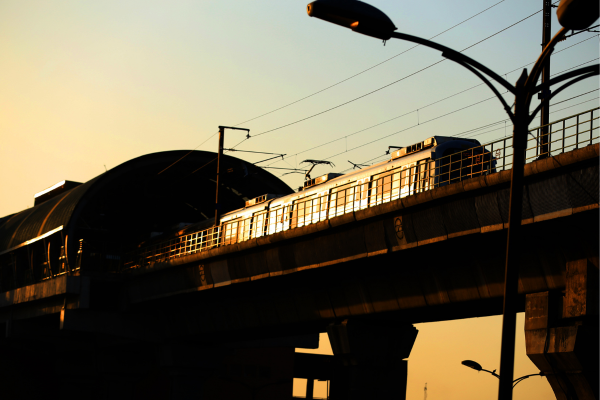
Road conditions vary considerably along the two sides of the corridor. The Porur-to-Poonamallee side has seen improvement after encroachments were removed and portions of the road were relaid following completion of metro-related works. However, the carriageway in the opposite direction remains narrower at several points, with the difference reaching about five feet in some stretches. At Kattupakkam and Karayanchavadi, portions of land have been cleared to facilitate road widening, but the extension work remains unfinished. Further towards Thelliyaragaram, several sections remain patchy, while a large damaged portion has been reported between Kattupakkam and Iyyappanthangal.
The condition of junctions and U-turns is another concern along the route. There are at least 10 U-turns between Porur and Poonamallee bus stop, with motorists reporting inadequate traffic management at some locations. The issue could become more pronounced once metro services begin, as stations are expected to generate additional pedestrian, feeder and private-vehicle movement. Urban transport experts have pointed to the need for road widening, junction management and parking arrangements to be completed alongside the metro infrastructure. Earlier work on the corridor has also involved clearing thousands of encroachments along Mount-Poonamallee High Road to improve carriageway capacity and road safety.
The road-related issues come even as major structural work for the metro corridor has progressed. The Poonamallee Bypass–Vadapalani section will be the first part of Chennai Metro Phase II to enter passenger service. The 14.64-km stretch has 17 stations, although six stations on the double-decker section between Porur Junction and Vadapalani will initially be bypassed. The trains are also expected to operate in Automatic Train Operation mode initially, with two train operators onboard, rather than unattended driverless operation. Driverless services are expected only from mid-2027, according to Chennai Metro Rail officials.
With the metro opening approaching, the condition of the road network below the elevated corridor remains a parallel infrastructure issue for authorities. The metro is expected to improve public transport connectivity between Poonamallee, Porur and the central parts of Chennai, but the benefits could be affected locally if road bottlenecks, unfinished widening and junction management are not addressed. The current situation also highlights the need to coordinate surface-road upgrades with major transit projects, particularly along corridors where metro stations are likely to increase pedestrian and feeder traffic. For commuters, the October 11 opening will therefore bring a new public transport option while road improvement works continue along parts of the same corridor.

17th Nov, 2026


15th Nov, 2026

14th Nov, 2026




13th Nov, 2026
Advertisement








 Facebook
 Whatsapp

