Advertisement






The Gulf conflict has disrupted global supply chains, pushed...
REITs have changed the way commercial real estate is owned a...
What really powers the cloud? Behind every Google search, A...
What really powers the cloud? Behind every Google search, A...
Luxury real estate is one of the most talked-about segments ...
IndiGo and Air India Group will progressively shift flights from Mumbai's existing airport to Navi Mumbai International Airport from December, clearing capacity for the redevelopment of Terminal 1. The phased transition runs through the 2027 summer season, and airlines keep their historical slots at the existing airport. IndiGo will move 12 daily international departures, while Air India Express will shift services to Gulf destinations. The first phase aims to relocate about 5 million passengers. Terminal 1 capacity is to rise from 15 million to 20 million passengers.
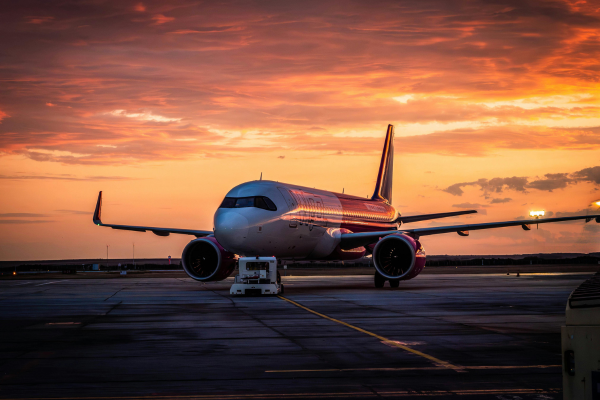
IndiGo and Air India Group will progressively shift flights from Mumbai's existing Chhatrapati Shivaji Maharaj International Airport (CSMIA) to the newly built Navi Mumbai International Airport (NMIA) from December, clearing capacity for the redevelopment of Terminal 1 and paving the way for a dual-airport system in the city, the airport operators and airlines said.
The transition is planned in phases through the 2027 summer aviation season. It will move selected domestic and international services to Navi Mumbai while letting airlines retain their historical operating slots at CSMIA. It follows nearly 18 months of consultations between airlines and Adani Airport Holdings Ltd (AAHL), which operates both Mumbai airports.
In a joint statement with the airport operator, IndiGo said it will progressively transfer 12 daily international departures from CSMIA to NMIA. These represent all its present operations from CSMIA to Bahrain, Riyadh, Dammam, Jeddah, Madinah, Kuwait, Ras Al Khaimah, Fujairah, Muscat, Dhaka and Jakarta. An additional daily service to Kathmandu will take IndiGo's international network at NMIA to 12 destinations between February and July 2027. IndiGo will also shift supporting domestic connectivity to facilitate international transfers, and will announce final dates once project coordination and operating approvals are complete.
Air India Group said in a separate statement that it will progressively move Air India Express services to Jeddah, Riyadh, Dammam, Doha, Muscat and Sharjah to NMIA, with the process expected to be completed by the IATA Northern Summer 2027 season. The group said the move supports the redevelopment of CSMIA Terminal 1 and lets it preserve its historical slots at CSMIA. AAHL welcomed the group's plans to begin operations from NMIA.
The capacity released at CSMIA will help IndiGo introduce new international services across Asia, Africa and Europe in 2027 using its A320, A321 and A321XLR fleet. It will also support IndiGo's share of the capacity reductions needed to redevelop Terminal 1 by 2030, with further adjustments to be accommodated at Terminal 2.
The planned transfer of around 3 million passengers, about 60 per cent of the traffic targeted for relocation in the first phase, will create the headroom for the phased redevelopment. The first phase aims to shift approximately 5 million passengers to Navi Mumbai. CSMIA handles around 55 million passengers a year, and the operator says about 91 per cent of its traffic will continue to operate from the existing airport. Derived from these figures, the 5 million passengers are about 9 per cent of CSMIA's annual traffic.
The redevelopment is expected to raise Terminal 1's annual capacity by about 33 per cent, from 15 million to 20 million passengers. Airlines' historical slots at CSMIA will be restored after the redevelopment is complete.
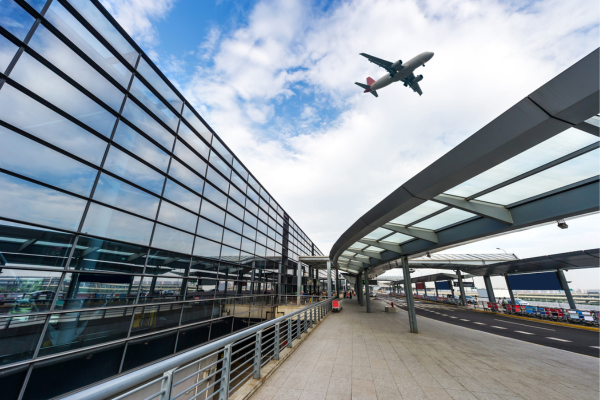
NMIA is designed to handle 20 million passengers annually in its initial phase, with expansion planned to take capacity to 90 million. Its infrastructure includes automated baggage handling, digital passenger-processing systems and road links serving business districts, logistics hubs and other centres across the Mumbai Metropolitan Region.
Source- PTI
16th Nov, 2026
15th Nov, 2026
15th Nov, 2026

13th Nov, 2026
13th Nov, 2026
Advertisement








 Facebook
 Whatsapp

