Advertisement






The Gulf conflict has disrupted global supply chains, pushed...
REITs have changed the way commercial real estate is owned a...
What really powers the cloud? Behind every Google search, A...
What really powers the cloud? Behind every Google search, A...
Luxury real estate is one of the most talked-about segments ...
Tamil Nadu is exploring metro, underground monorail and road connectivity options for the proposed Terminal 5 at Chennai airport as it revises its aviation expansion strategy following the dropping of the Parandur airport plan. The terminal, designed to handle 20 million passengers annually, is planned on the western side of the existing airport. The state is examining additional links to GST Road and existing terminals, while the Tamil Nadu Industrial Development Corporation has been tasked with preparing a detailed project report.
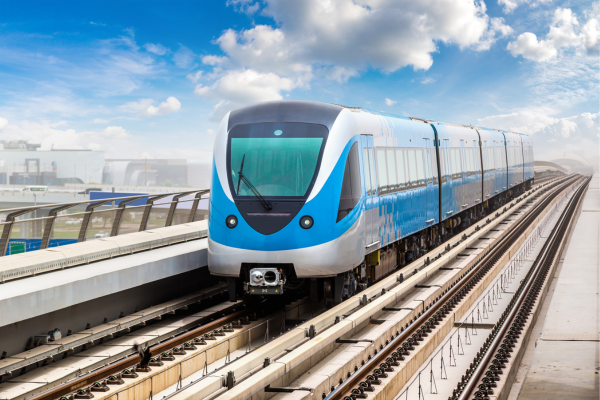
Tamil Nadu is examining multiple transport connectivity options for the proposed Terminal 5 at Chennai airport, including a metro line, an underground monorail and road infrastructure, as the state revises its airport expansion strategy following the decision to drop the proposed second airport at Parandur.
The proposed terminal will be located on the western side of the existing airport, between the runways. It is planned to handle 20 million passengers annually and will initially be connected to the Tambaram–Maduravoyal bypass through a road link. The state is also studying an additional connection to GST Road and the existing terminals to enable passengers to move between facilities without making a lengthy detour.
According to reports by The Times of India, the revised expansion strategy follows the withdrawal of the Parandur airport proposal and a renewed focus on increasing passenger-handling capacity at the existing Chennai airport. Airport director M Raja Kishore said that improved connectivity to the existing terminals could help extend the airport's capacity to serve passenger demand until 2050, allowing additional time to plan a second airport.
The design of Terminal 5 remains at an early stage. The Airports Authority of India is planning the terminal, while the state government is coordinating the supporting infrastructure required for its development. Work on T5 is expected to progress after completion of the integrated Terminal 3 project.
The Tamil Nadu Industrial Development Corporation (TIDCO) has been assigned responsibility for preparing the detailed project report (DPR) for the proposed connectivity infrastructure. Officials from TIDCO, the National Highways Authority of India and the Water Resources Department have held discussions on the scope of the report and the agencies' respective responsibilities. Chennai Metro Rail has also been involved in discussions concerning possible transport links.
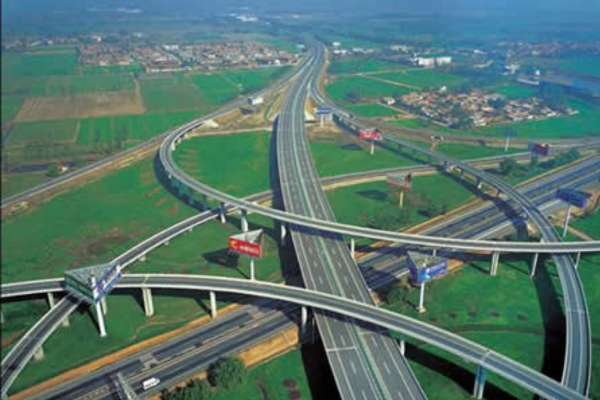
Road connectivity is another component under consideration. The National Highways Authority of India has proposed a four- or six-lane expressway connecting T5 with the Tambaram–Maduravoyal bypass. The proposal includes a cloverleaf interchange at Tharapakkam and a link to the Outer Ring Road. The route is intended to improve airport access and facilitate cargo movement from the Sriperumbudur industrial belt.
The transport planning process also involves assessing the potential impact of road infrastructure on the Adyar river and surrounding areas. The final alignment and mode of connectivity will depend on the technical assessment and coordination between the agencies involved.
The proposed expansion is expected to increase the airport's parking capacity from 84 to 124 bays and the number of aerobridges from 17 to 42, according to the airport director. However, the metro, monorail and expressway options remain under consideration rather than approved construction projects.
The next stage will involve completing the detailed project report, finalising the preferred connectivity arrangement and coordinating the infrastructure requirements with the terminal's development. The final choice will determine how the new facility integrates with Chennai's existing transport network and supports future passenger and cargo demand.

17th Nov, 2026


15th Nov, 2026

14th Nov, 2026




13th Nov, 2026
Advertisement








 Facebook
 Whatsapp

