Advertisement






The Gulf conflict has disrupted global supply chains, pushed...
REITs have changed the way commercial real estate is owned a...
What really powers the cloud? Behind every Google search, A...
What really powers the cloud? Behind every Google search, A...
Luxury real estate is one of the most talked-about segments ...
The Navi Mumbai Municipal Corporation (NMMC) observed Reading Inspiration Day, or Vachan Prerna Din, on 15 October 2026 to mark the birth anniversary of former President of India and Bharat Ratna awardee Dr APJ Abdul Kalam. The celebrations were held across more than 225 municipal schools and schools under different managements and educational boards within the civic area. Students, teachers and parents participated in activities aimed at encouraging regular reading among children and adults. The initiatives included reading newspaper extracts, short stories, novels and autobiographies, poetry recitations, and exhibitions of books from school libraries. Students also shared experiences of how reading had improved their concentration and pledged to donate books to school libraries on their birthdays. The programme highlighted the role of reading in expanding knowledge and carried forward Dr Kalam’s emphasis on education, learning and intellectual development.
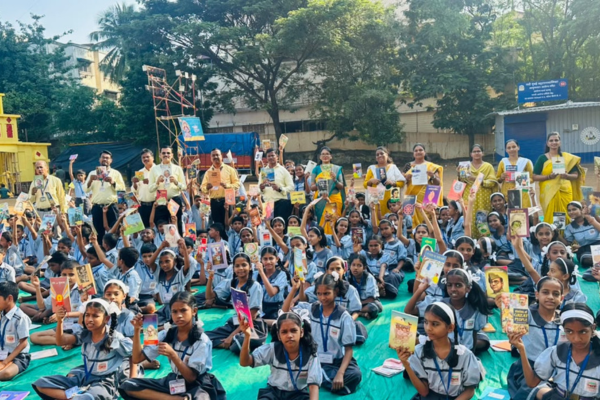
The Navi Mumbai Municipal Corporation (NMMC) organised Reading Inspiration Day, or Vachan Prerna Din, across more than 225 schools in Navi Mumbai on 15 October 2026 to mark the birth anniversary of former President of India and Bharat Ratna awardee Dr APJ Abdul Kalam. Students, teachers and parents participated in activities designed to encourage reading habits among children and adults and promote the educational legacy of the former President and scientist.
The celebrations were conducted in municipal schools as well as institutions under different educational boards and managements within the civic area. This year's programme placed particular emphasis on involving parents to foster a reading culture among students and their families.
A range of reading activities was organised as part of the observance. Students read selected extracts from newspapers brought by their parents, along with short stories printed in large type, novels and autobiographies. These activities introduced students to different forms of reading material and encouraged them to engage with written content beyond their regular academic curriculum.
Several schools also organised poetry recitations, with students participating enthusiastically. In other institutions, teachers and students jointly arranged exhibitions featuring selected books from their school libraries. Parents visited the exhibitions and appreciated the initiatives, which provided an opportunity to familiarise families with the reading resources available within schools.
Students also spoke about their personal experiences of reading regularly and explained how the habit had helped improve their concentration in studies. In another initiative, several students announced their intention to donate a book to their school library on their birthdays, contributing to the availability of reading material for other students.
School principals and teachers used the occasion to explain the importance of reading proficiency and the role of regular reading in broadening knowledge. Students were encouraged to understand how limited reading could restrict their exposure to information and ideas. Discussions involving parents, teachers and students also explored how reading every day could expand knowledge and how that knowledge could be applied in everyday life.
The programme sought to extend reading beyond classroom activities by encouraging participation from families and the wider school community. By incorporating newspaper reading, literature, poetry and library-based activities, participating schools aimed to make reading an engaging and regular practice among students.
The observance concluded with the message that reading helps people develop understanding and knowledge, reflecting the theme If you read, you will understand. The initiative also highlighted Dr Kalam's contributions as a scientist, educator and former President, reinforcing his legacy of learning and intellectual curiosity among schoolchildren in Navi Mumbai.
16th Nov, 2026

15th Nov, 2026
15th Nov, 2026

13th Nov, 2026

13th Nov, 2026



Advertisement








 Facebook
 Whatsapp

