Advertisement






The Gulf conflict has disrupted global supply chains, pushed...
REITs have changed the way commercial real estate is owned a...
What really powers the cloud? Behind every Google search, A...
What really powers the cloud? Behind every Google search, A...
Luxury real estate is one of the most talked-about segments ...
The Metropolitan Transport Corporation (MTC) in Chennai has reversed its decision to cancel the tender for procuring 1,000 air-conditioned electric buses, following an initial cancellation on administrative grounds. The corporation has sought to restore the tender and extend the bid submission deadline to November 4, 2026. Separately, a tender for 220 air-conditioned electric feeder buses intended to improve first- and last-mile connectivity to Chennai Metro stations failed to attract bidders. The developments come amid efforts to expand Chennai’s electric bus fleet and strengthen public transport connectivity.
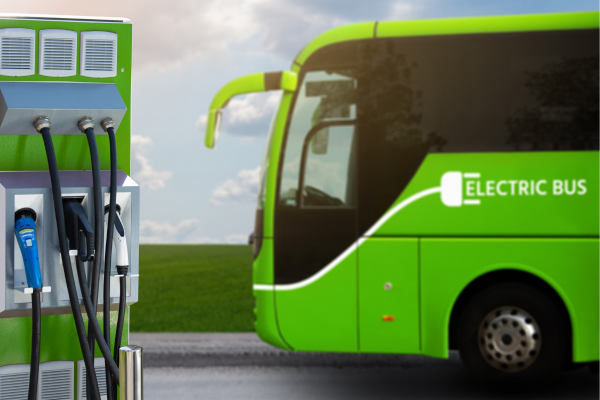
The Metropolitan Transport Corporation (MTC) in Chennai has reversed its decision to cancel the tender for procuring 1,000 air-conditioned electric buses, following an initial cancellation attributed to administrative reasons. The move came within a day of the cancellation and allows the procurement process to proceed, while a separate tender for 220 electric feeder buses has failed to attract bids.
The tender for 1,000 low-floor, 12-metre air-conditioned electric buses was floated under the gross cost contract (GCC) model. Under this arrangement, the operator is responsible for supplying and operating the buses in accordance with the contract, while the transport corporation pays for the service based on agreed terms. The project also includes the development of associated electrical and civil infrastructure required to support the fleet.
MTC had cancelled the tender on October 13, citing administrative reasons, after the bid-opening schedule had been extended several times. The corporation subsequently sought to revoke the cancellation and restore the tender to its previous status. It also requested an extension of the bid submission deadline to November 4. The reversal followed a clarification that the cancellation had occurred inadvertently.
The procurement is part of a wider plan to expand Chennai’s electric bus operations and improve the capacity of the public transport network. The Tamil Nadu government had allocated INR 500 crore in its latest budget for the procurement of 1,000 buses and related depot infrastructure. The additional vehicles are intended to support the city's public transport requirements as demand for bus services continues.
Meanwhile, MTC's separate tender for 220 air-conditioned low-floor electric buses has closed without receiving any bids. The proposed fleet comprises 70 buses measuring seven metres and 150 micro buses measuring five metres. These vehicles are intended to provide first- and last-mile connectivity to Chennai Metro stations, helping passengers travel between residential areas and Metro services.
The feeder buses were planned to operate on routes identified by Chennai Unified Metropolitan Transport Authority and Chennai Metro Rail Limited within the primary influence areas of Metro stations. The tender also envisaged accessibility features, including designated wheelchair spaces in the proposed vehicles.
The lack of bidders for the 220-bus tender presents a separate procurement challenge for MTC, even as the 1,000-bus tender has been restored. The corporation's broader electric bus expansion plan also includes a separate procurement process for 300 seven-metre air-conditioned electric buses, with bids scheduled to be opened on October 16.
The developments highlight the challenges involved in completing large-scale public transport procurements within planned timelines. While the reversal allows the 1,000-bus tender to proceed, the feeder bus project will require further steps to secure participation from potential operators and advance the proposed Metro connectivity services.

17th Nov, 2026

15th Nov, 2026
14th Nov, 2026




13th Nov, 2026
Advertisement









 Facebook
 Whatsapp

