Advertisement






The Gulf conflict has disrupted global supply chains, pushed...
REITs have changed the way commercial real estate is owned a...
What really powers the cloud? Behind every Google search, A...
What really powers the cloud? Behind every Google search, A...
Luxury real estate is one of the most talked-about segments ...
Navi Mumbai is emerging as an important growth centre for business, technology and real estate as infrastructure development gathers pace across the region. Its planned urban layout, expanding digital infrastructure and improving regional connectivity are supporting its transition from a satellite city into a larger economic centre. The Navi Mumbai International Airport, along with projects such as NAINA, Third Mumbai, Education City, Logistics City and Health City, is expected to support new business activity and employment. However, the city’s long-term growth will depend on whether housing, healthcare, education, public transport, green spaces and other civic amenities keep pace with its expanding population and economy.
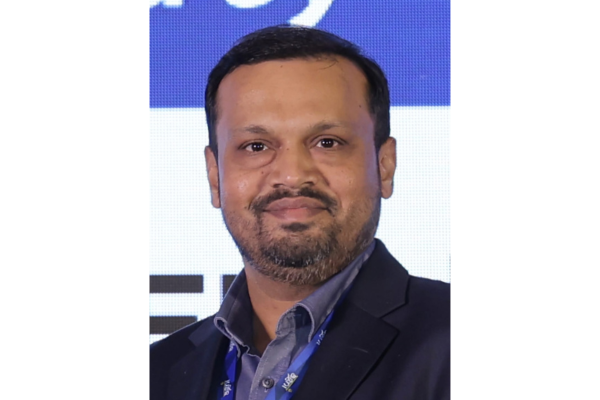
Mumbai has remained India’s financial capital for decades, attracting businesses, talent and investment from across the country and overseas. However, limited land availability, congestion and rising costs are pushing more attention towards Navi Mumbai, which is developing into an important destination for business, technology and urban expansion.
Unlike many areas that have grown mainly in response to existing demand, Navi Mumbai was developed around a planned urban framework. Its expanding infrastructure and government-backed development programmes are now giving the city a larger economic role within the Mumbai Metropolitan Region and Western India.
One of the clearest signs of this change is the growth of digital infrastructure. Navi Mumbai accounts for nearly 60% of India’s data centre capacity, according to the article. Reliable electricity and its proximity to international undersea cable landing stations have helped the city attract this infrastructure.
The importance of this sector extends beyond the data centres themselves. Cloud computing, artificial intelligence, digital payments and enterprise technology are increasing the need for large-scale digital infrastructure. The presence of data centres can also attract technology companies, financial institutions, cloud service providers, logistics operators and other businesses, creating demand for offices, housing, hospitality and related urban services.
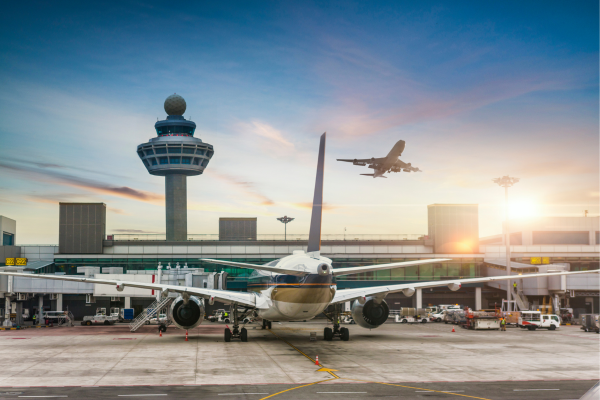
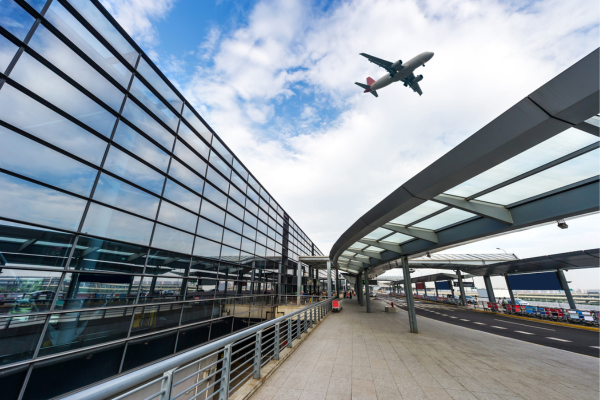
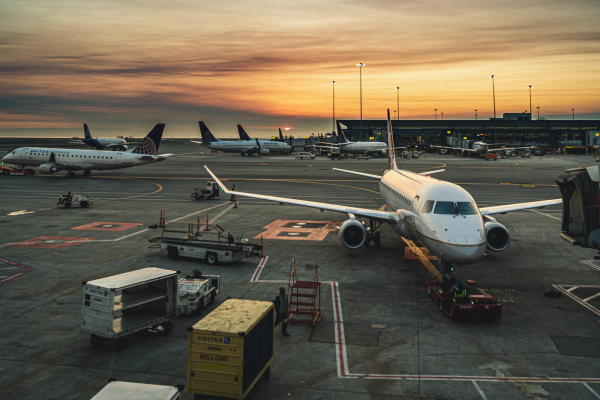
The recently opened Navi Mumbai International Airport adds another major element to the city’s growth story. The airport is expected to improve domestic and international connectivity and reduce some of the pressure on Mumbai’s existing airport. Its capacity is also planned to expand substantially in phases, allowing it to support the region’s future passenger and economic growth.
The airport is being accompanied by a wider development programme rather than being treated as a standalone transport project. NAINA, or Navi Mumbai Airport Influence Notified Area, is planned around the airport, while Third Mumbai is intended to create another major urban and economic centre in the wider region.
Other planned developments include Education City, Logistics City and Health City. These projects are aimed at creating specialised clusters for education, logistics and healthcare, bringing different types of economic activity into the region. Together, they are intended to broaden Navi Mumbai’s economic base rather than make it dependent on a single sector.
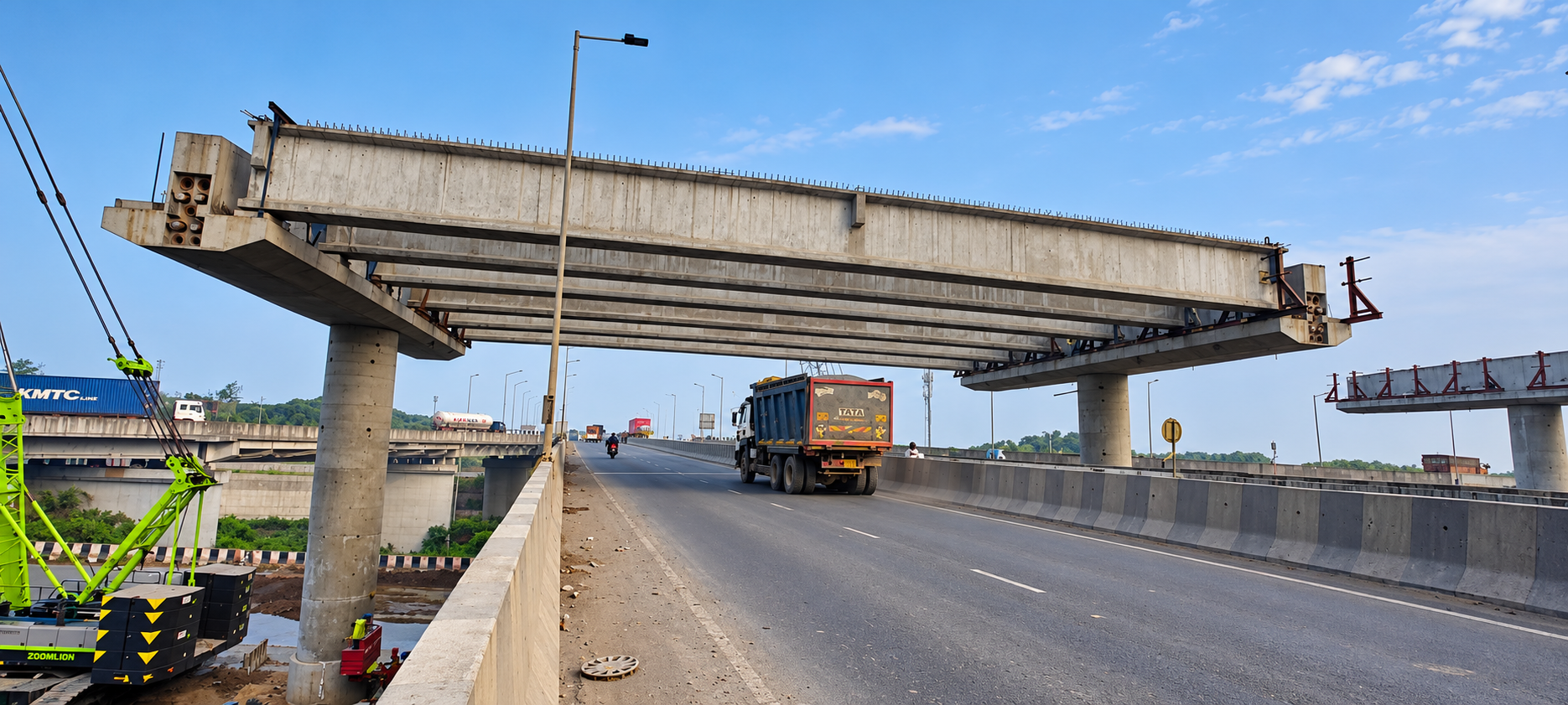
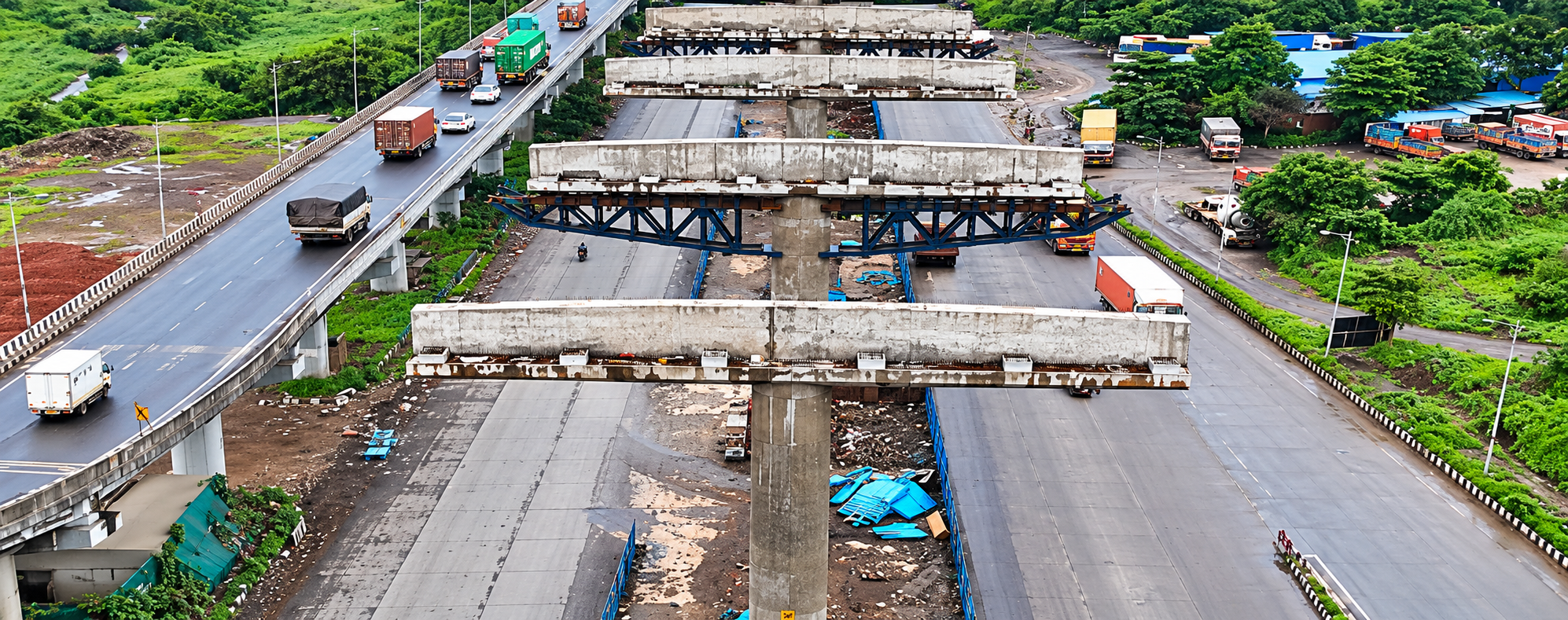
Transport infrastructure is another part of this expansion. Metro connectivity, improved roads and multimodal transport links are being developed to connect different parts of Navi Mumbai with the airport and the wider Mumbai region. This is important because the success of new business and residential districts will depend not only on their individual infrastructure but also on how easily people and goods can move between them.
For the real estate sector, this expansion could create demand across several segments. Growth in technology and other businesses can support commercial office requirements, while new employment centres can increase demand for homes. Logistics, healthcare, education and hospitality developments can also create demand for specialised commercial and supporting real estate.
However, economic growth alone will not determine whether Navi Mumbai succeeds as a larger urban centre. The city will also have to maintain the quality of life that has been one of the advantages of its planned development.
Access to healthcare, education, housing, public transport, green spaces and social infrastructure will become increasingly important as the population and economic activity grow. The challenge will be to ensure that these facilities expand at a pace that matches new commercial and residential development.
This will become particularly relevant as the scale of development around Navi Mumbai increases. A city designed for a smaller population can face pressure on roads, public transport, utilities and civic services when growth accelerates. Navi Mumbai’s existing planning framework provides a base, but the next phase will require that planning to keep pace with changing needs.
Environmental resilience will also remain important. Expansion around the airport and in the wider Third Mumbai region will require careful management of mobility, open spaces and natural resources so that new development does not compromise the city’s long-term liveability.
Navi Mumbai therefore has several advantages working together: planned development, strategic connectivity, expanding digital infrastructure and sustained government-led infrastructure investment. Its proximity to Mumbai provides access to an established business and financial ecosystem, while new projects are creating opportunities for the city to develop its own economic identity.
The coming years will show whether Navi Mumbai can convert these advantages into a balanced urban economy. Its success will depend on how well infrastructure, employment, housing and civic amenities develop alongside one another. If that balance is maintained, Navi Mumbai could evolve beyond its traditional role as an extension of Mumbai and become an important business, technology and urban development centre in its own right.
16th Nov, 2026
15th Nov, 2026
15th Nov, 2026

13th Nov, 2026
13th Nov, 2026
Advertisement








 Facebook
 Whatsapp

