Advertisement






The Gulf conflict has disrupted global supply chains, pushed...
REITs have changed the way commercial real estate is owned a...
What really powers the cloud? Behind every Google search, A...
What really powers the cloud? Behind every Google search, A...
Luxury real estate is one of the most talked-about segments ...
Gujarat has completed a new 868.75-metre bridge across the Mahi River in Vadodara district just over a year after the Gambhira-Mujpur bridge collapse claimed 22 lives. Built in 12 months at an overall cost of INR 278 crore, the bridge restores connectivity between Padra taluka and Anand district. The project features 23 spans, 21 piers, epoxy-coated steel for improved durability and comprehensive load testing, with the state government describing it as Gujarat's fastest-built river bridge.
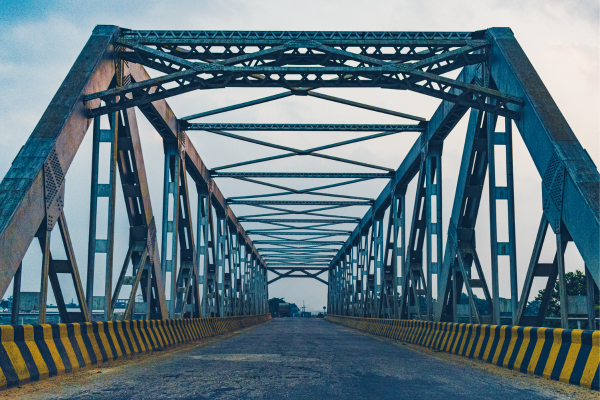
A new 868.75-metre bridge across the Mahi River has been completed in Gujarat's Vadodara district, restoring a key road connection between Padra taluka and Anklav in Anand district more than a year after the Gambhira-Mujpur bridge collapse claimed 22 lives.
Chief Minister Bhupendra Patel is expected to inaugurate the bridge, which has been constructed alongside the remains of the older structure that partially collapsed on July 9 last year during peak morning traffic, sending several vehicles into the river after a slab between two piers gave way.
According to the state's Roads and Buildings (R&B) Department, construction began on August 14, 2025 and concluded on August 13, 2026 completing the project within 12 months. Officials have described it as the fastest river bridge completed in Gujarat, citing close monitoring and accelerated construction techniques throughout the execution period.
The project received an administrative sanction of INR 212 crore and a technical sanction of INR 244.16 crore, while the overall expenditure reached INR 278 crore. The construction contract was awarded to Patan-based Shree Manglam Buildcon Pvt Ltd for INR 173.56 crore.
The bridge consists of 23 spans supported by 21 piers and has been designed to provide a durable long-term replacement for the ageing bridge built in 1985. The earlier structure's steel-girder span remains standing over the river, locally known as the Mahisagar, even as the new crossing has been constructed adjacent to it.
Following last year's collapse, the state government implemented temporary measures to maintain connectivity. A steel structure costing INR 9 crore was installed to facilitate two-wheeler movement, while the damaged bridge was later reopened for restricted use in April this year. However, subsequent inspections highlighted concerns over its structural condition, reinforcing the need for a permanent replacement.
Engineers faced significant construction challenges during the project, particularly fluctuating water levels and river flow conditions that affected work across the Mahisagar. Despite these constraints, officials said all major construction activities were completed within the scheduled timeline.
Before commissioning, the bridge underwent a series of structural assessments, including 280-tonne load tests on each span, vibration monitoring and pull-out testing to evaluate performance under operational conditions. Physical inspections were also conducted by engineers from the R&B Department's Design Circle, a deputy executive engineer and project consultants.
The new bridge incorporates epoxy-coated reinforcement steel to improve resistance to corrosion and extend the structure's service life. Precast construction components were used to accelerate execution, while inspection platforms have been installed at every pier to support future maintenance and structural monitoring. State officials said regular fortnightly reviews of construction progress helped maintain execution speed and ensure the project remained on schedule.
Source- PTI



11th Nov, 2026

21st Oct, 2026

19th Oct, 2026

Advertisement








 Facebook
 Whatsapp

