Advertisement






The Gulf conflict has disrupted global supply chains, pushed...
REITs have changed the way commercial real estate is owned a...
What really powers the cloud? Behind every Google search, A...
What really powers the cloud? Behind every Google search, A...
Luxury real estate is one of the most talked-about segments ...
India’s senior housing market is projected to grow from USD 4.31 billion in 2026 to USD 11.43 billion by 2031, with demand expected to expand beyond major metropolitan areas into Tier-II cities and spiritual destinations. According to Square Yards’ report, Expanding Horizons: The Next Growth Markets for Senior Living in India, 15 cities have been identified as potential growth centres based on healthcare access, connectivity, affordability, climate and social infrastructure. While Bengaluru, Hyderabad, Pune and Chennai remain established markets, Coimbatore, Vadodara, Nashik, Kochi and Mysuru are gaining prominence. Ayodhya, Varanasi, Haridwar and Tirupati are also emerging as retirement and second-home destinations. The report highlights the growing importance of healthcare partnerships, emergency services, wellness amenities and community engagement as senior living evolves beyond age-friendly housing into an integrated residential, healthcare and lifestyle offering.
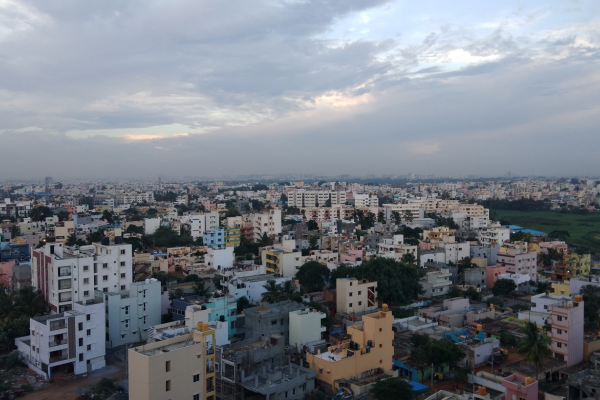
India’s senior living market is expected to expand beyond established metropolitan centres into Tier-II cities and spiritual destinations, as older homebuyers increasingly prioritise affordability, healthcare access, wellness and quality of life. According to a report released by real estate platform Square Yards on 15 October, India’s senior housing market is estimated at USD 4.31 billion in 2026 and is projected to reach USD 11.43 billion by 2031.
Titled Expanding Horizons: The Next Growth Markets for Senior Living in India, the report identifies 15 cities that could drive the next phase of development in the segment. The assessment considers factors such as healthcare facilities, transport connectivity, housing affordability, climate and social infrastructure.
The report attributes the changing demand pattern to an ageing population, the growing prevalence of nuclear families, migration and evolving household structures. These factors are increasing interest in organised senior housing that allows residents to maintain their independence while accessing healthcare, safety provisions and community-based support.
While Bengaluru, Hyderabad, Pune and Chennai continue to be important senior living markets, cities such as Coimbatore, Vadodara, Nashik, Kochi and Mysuru are gaining traction as potential destinations. The report also identifies Ayodhya, Varanasi, Haridwar and Tirupati as emerging retirement and second-home markets, reflecting the role of cultural familiarity, community connections and spiritual aspirations in housing decisions.
Tier-II cities offer comparatively affordable housing, improving healthcare infrastructure and a less congested pace of life. Spiritual centres, meanwhile, may appeal to retirees seeking proximity to religious institutions and established cultural communities.
However, expanding into these locations will require more than residential development. The report emphasises that healthcare partnerships, emergency response arrangements, dependable operators and transparent service models will be essential to building confidence among senior residents and their families.
The changing geography of senior housing is accompanied by a shift in expectations, with the segment increasingly bringing together residential real estate, healthcare, hospitality and wellness. According to the report, developments offering only age-friendly apartments may not adequately address the requirements of a more discerning senior population.
Future projects will need to support mobility, preventive healthcare, social interaction and independent daily living, while ensuring that medical assistance remains accessible when required. Wellness-led amenities could consequently become an important differentiator as developers compete to attract residents.
Square Yards founder and chief executive officer Tanuj Shori said the sector was developing into a multi-billion-dollar asset class, driven by seniors seeking autonomy, specialised wellness services and a better quality of life. He added that long-term growth and credibility would depend on how effectively developments addressed care requirements, accessibility and social connectivity, including through reliable medical access and integrated lifestyle facilities.
The report identifies preventive healthcare, physiotherapy, fitness programmes, nutritious dining, mental wellness and community engagement as potential components of senior living projects. Integrating these services into everyday life could help developers strengthen their market positioning, build resident trust and improve retention. It could also create recurring revenue opportunities through service-based offerings.
Sunita Mishra, vice-president of research and insights at Square Yards, said senior living decisions were increasingly being driven by value rather than location alone. She noted that some homebuyers were willing to move to smaller cities for wellness-focused communities offering better care, extensive amenities and a comfortable lifestyle within their budgets.
The findings indicate that affordability and healthcare provision will remain central to the expansion of senior living beyond major cities. For developers, the challenge will be to combine accessible housing with dependable care services and community infrastructure as the market moves towards its projected USD 11.43 billion valuation by 2031.

17th Nov, 2026

17th Nov, 2026


17th Nov, 2026




17th Nov, 2026


17th Nov, 2026
Advertisement








 Facebook
 Whatsapp

