Advertisement






The Gulf conflict has disrupted global supply chains, pushed...
REITs have changed the way commercial real estate is owned a...
What really powers the cloud? Behind every Google search, A...
What really powers the cloud? Behind every Google search, A...
Luxury real estate is one of the most talked-about segments ...
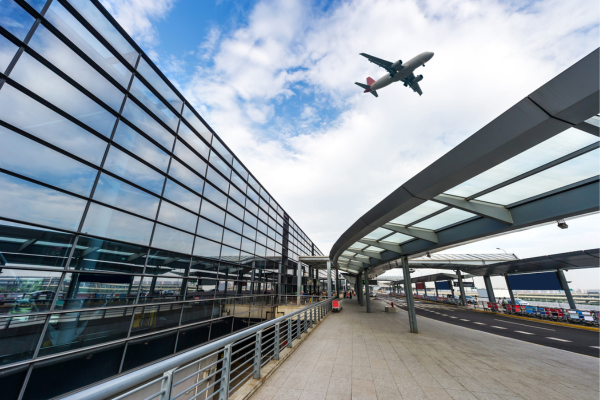
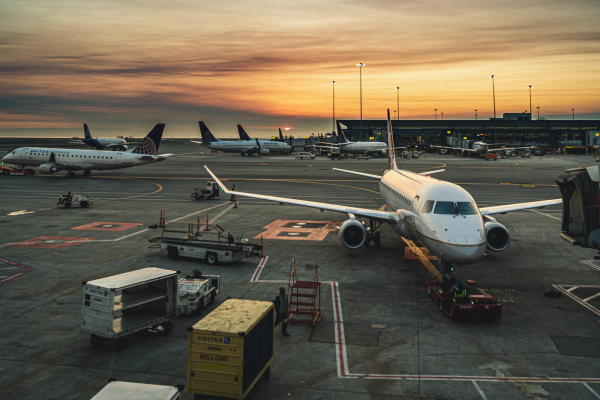
Navi Mumbai International Airport has announced an expanded ground transport network across Mumbai, Navi Mumbai, Pune and the wider Mumbai Metropolitan Region ahead of the winter flying schedule, which runs from 25 October to 27 March. Maharashtra State Road Transport Corporation will start electric bus services to Dadar, Borivali and Pune from 7 October, while Bharat Taxi begins operations on 10 October. Ground transport capacity is being raised to 4,689 vehicles. The Adani group-operated airport, which began operations last year, is also working on electric vehicle charging infrastructure.
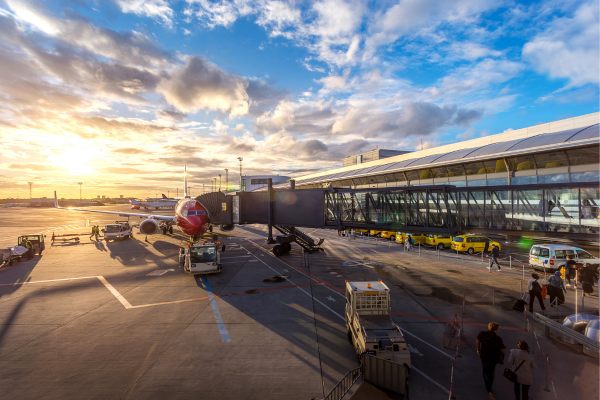
Navi Mumbai International Airport (NMIA) said on Monday that it is expanding its public transport and ground mobility network ahead of the airlines' winter schedule, which runs from 25 October to 27 March. The Adani group-operated airport, which began operations last year, is offering multimodal options including buses, taxis, autorickshaws, car rentals and airport shuttles across Mumbai, Navi Mumbai, Pune and the wider Mumbai Metropolitan Region.
The Maharashtra State Road Transport Corporation (MSRTC) will begin e-Shivai electric bus services on 7 October, the airport said. Fares are set at INR 450 for Pune, INR 210 for Borivali and INR 170 for Dadar East, with half-fares available for children below 12 and for women travelling with a National Common Mobility Card.
The first phase of the service will link NMIA with Dadar, Borivali and Pune, running from early morning to late night. The Dadar route will operate via Sion and Atal Setu, while the Borivali route will connect Chhatrapati Shivaji Maharaj International Airport (CSMIA) Terminal 1, Bandra and Atal Setu. Pune will have two daily services, one in the morning and one in the afternoon. Services to Thane and Nashik are planned by mid-November.
Bharat Taxi will start operations on 10 October with a fleet of up to 40 vehicles, and prepaid taxi and autorickshaw services are also being introduced. Chalo Bus runs 21 daily services connecting the airport with Marol in Andheri East, Bandra, Dadar and the World Trade Centre in Colaba, with additional capacity being added for peak-hour passenger and employee movement.
Navi Mumbai Municipal Transport operates seven dedicated airport routes, designated A1 to A7, linking Terminal 1 with Kharkopar, Targhar, Belapur, Nerul, Panvel, Khandeshwar and the Airport Project Office. Belapur and Nerul services run every 15 to 20 minutes during peak hours, and further links to Vashi and Panvel are planned. Uber Go, Uber Premier and Uber Auto will offer app-based options, with designated pickup zones. A complimentary hourly shuttle between NMIA and CSMIA, operated by Cityflo, Aarya and Chalo, will provide a direct transfer between Mumbai's two airports.
Ground transport capacity is being scaled up to 4,689 vehicles, comprising 3,787 app-based taxis, 184 car rentals, 171 autorickshaws and 547 buses. The airport is connected to the Panvel, Targhar and Bamandongri suburban railway stations and to road corridors including Atal Setu, the Sion-Panvel Highway, Palm Beach Road, Amra Marg (NH-348A) and NH-548. Navi Mumbai Metro Line 1 is operational, while the proposed Mumbai Metro Line 8 would connect CSMIA and NMIA, the airport said. NMIA is also working with the Adani Total Energies Gas team to accelerate the development of electric vehicle charging infrastructure.
Source PTI

16th Nov, 2026
15th Nov, 2026
15th Nov, 2026
13th Nov, 2026
13th Nov, 2026
Advertisement








 Facebook
 Whatsapp

