Advertisement






The Gulf conflict has disrupted global supply chains, pushed...
REITs have changed the way commercial real estate is owned a...
What really powers the cloud? Behind every Google search, A...
What really powers the cloud? Behind every Google search, A...
Luxury real estate is one of the most talked-about segments ...
Adverse weather conditions over Mumbai disrupted flight operations on September 29, prompting airlines and air traffic control to divert multiple Mumbai-bound services to nearby airports. At least 11 flights were diverted to alternate airports by around 7.30 pm, with Surat handling several of the affected services and additional flights diverted to Ahmedabad, Vadodara and Nashik. The diversions involved IndiGo, Air India, Akasa Air and Air India Express services arriving from cities including Delhi, Chennai, Bengaluru, Hyderabad, Goa and other locations. Surat Airport accommodated the additional aircraft and passengers while Mumbai’s weather conditions affected normal landing operations.
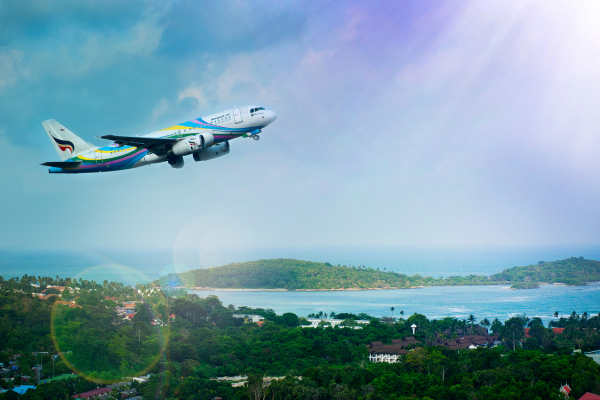
Strong winds and deteriorating weather conditions over Mumbai affected flight operations on September 29, leading to the diversion of multiple incoming services to airports in Gujarat and neighbouring regions. According to reports, 11 Mumbai-bound flights had been diverted to alternate airports by around 7.30 pm, with Surat emerging as one of the main diversion points. The disruption came as adverse conditions made landing operations at Mumbai difficult, with air traffic control directing aircraft towards alternate airports as a safety measure. The affected services included flights operated by IndiGo, Air India, Akasa Air and Air India Express, connecting Mumbai with several major Indian cities.
Surat International Airport handled a significant share of the diverted traffic. The airport received Mumbai-bound services originating from Tiruchirappalli, Delhi, Chennai, Goa, Coimbatore, Bhopal and Bengaluru, among other locations. A separate report put the number of Mumbai-bound flights diverted to Surat at nine, including six operated by IndiGo and Air India, while four other Mumbai-bound flights were diverted to Vadodara. Earlier reporting during the disruption had placed the number of flights diverted to Surat at eight, carrying around 1,255 passengers. The varying counts reflect the continuing diversions through the evening as weather conditions at Mumbai remained unsuitable for normal operations.
Among the flights identified in reports were IndiGo services from Delhi, Chennai and Tiruchirappalli and Air India services from Delhi, Chennai and Goa. Other Mumbai-bound flights were diverted to Ahmedabad, Vadodara and Nashik, depending on operational requirements and the prevailing conditions. The diversions affected services arriving from several cities, including Bengaluru, Hyderabad, Jamnagar, Udaipur and Indore. Reports said one Air India service from Indore to Mumbai was diverted to Vadodara later in the evening. The diversions were intended to keep aircraft away from difficult landing conditions around Mumbai while allowing them to operate through alternate airports until weather conditions improved.
The episode also brought attention to the role of regional airports in supporting Mumbai’s aviation network during operational disruptions. Surat Airport officials said the facility was able to accommodate the additional aircraft without affecting its scheduled services, with airport teams, airlines and security agencies coordinating arrangements for the diverted operations. The airport has 18 parking bays that can support late arrivals and early departures, although the sudden influx represented an unusually high operational requirement. Reports noted that the airport had previously handled around seven to eight diverted flights at a time, making the latest episode one of its larger instances of diversion handling.
The affected aircraft and passengers were expected to continue towards Mumbai once weather conditions allowed flight operations to resume. The disruption demonstrated how airports such as Surat and Vadodara can provide operational alternatives when weather affects one of the country’s busiest aviation gateways. For airlines, the diversion process involves coordinating aircraft parking, passenger handling, crew requirements and subsequent departure slots, while passengers may have to wait for clearance before continuing their journeys. Normal movement of the diverted services therefore depended on the restoration of suitable operating conditions at Mumbai Airport and subsequent clearance for the aircraft to return.

20th Oct, 2026

3rd Oct, 2026

28th Sep, 2026

24th Sep, 2026




4th Aug, 2026


Advertisement








 Facebook
 Whatsapp

