Advertisement






The Gulf conflict has disrupted global supply chains, pushed...
REITs have changed the way commercial real estate is owned a...
What really powers the cloud? Behind every Google search, A...
What really powers the cloud? Behind every Google search, A...
Luxury real estate is one of the most talked-about segments ...
Australian home prices declined for the sixth consecutive month in September, with national prices falling 1.1% from August, according to property data firm Cotality. Prices were 5.2% below their peak and unchanged from a year earlier. Sydney recorded a 1.4% monthly decline and is now nearly 9% below its February peak, while Melbourne prices have fallen more than 7% from their peak. Housing transactions also weakened, with sales over the past three months down 19% year-on-year. Economists expect the downturn to deepen following further interest rate increases.
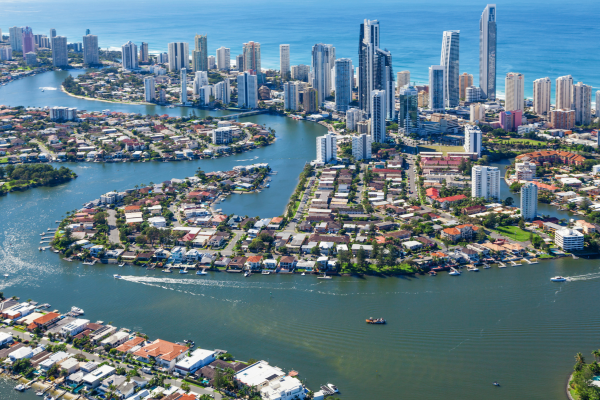
Australian home prices fell for the sixth consecutive month in September as weaker transaction volumes added to pressure on the housing market, according to data from property research firm Cotality.
National home prices declined 1.1% from August, when prices had fallen a downwardly revised 1.2%. Prices are now 5.2% below their peak and remain flat compared with a year earlier.
Sydney recorded a 1.4% decline during the month and prices are now nearly 9% below their February peak. This decline has exceeded the scale of the 2022-23 housing downturn, when the Reserve Bank of Australia raised interest rates by 425 basis points after the COVID-19 pandemic to contain inflation.
Melbourne home prices fell 0.7% in September, taking the decline from their peak to more than 7%. Prices in Brisbane, Adelaide and Perth also fell by more than 1% during the month, giving up part of the gains of between 50% and 70% recorded across these markets over the past five years.
Housing transactions have also weakened. Sales during the past three months were 19% lower than the same period a year earlier, indicating that fewer buyers are currently entering the market.
The decline in sales has also pushed up available housing stock. Cotality research director Tim Lawless said prospective buyers were currently facing weaker confidence and limited financial capacity to purchase homes.
The Reserve Bank of Australia has identified the housing market as a downside risk to the economy. However, it raised its interest rate for the fourth time this year on Tuesday, taking the rate to a 15-year high of 4.6% as it continues to address persistent inflation. The central bank has also indicated that further increases remain possible if inflationary pressures continue.
The prolonged decline in housing transactions could have wider effects on the Australian economy because the property sector is closely linked to real estate services, construction and various trades. Growth in housing credit has also started to slow.
Changes to taxes announced by the Australian government in May have also reduced investor demand, according to economists. Most economists now expect house prices to fall by around 10% from their peak to their eventual low during the current cycle. Such a decline would make this the largest housing downturn in Australia in three decades.
HSBC expects prices to fall by 13% if interest rates are increased once more. AMP is forecasting a 10% to 15% peak-to-trough decline in national average property prices, with Sydney, Brisbane and Adelaide expected to record some of the deeper falls.
AMP Chief Economist Shane Oliver said prices are not expected to reach their bottom until around the June quarter of next year. He expects a modest recovery during 2027-28 as the Reserve Bank of Australia eventually moves towards interest rate cuts.
The Australian housing market is now being affected by a combination of higher borrowing costs, weaker buyer activity and softer investor demand. The continued decline in transactions is also increasing housing inventories, giving buyers more choice while keeping pressure on prices. The depth of the downturn will depend largely on how interest rates and inflation develop over the coming months. With economists expecting prices to remain under pressure into next year, any recovery is likely to depend on an eventual easing in monetary policy and a return of buyer confidence.
Source Reuters

17th Nov, 2026


12th Nov, 2026
12th Nov, 2026


11th Nov, 2026



10th Nov, 2026
Advertisement








 Facebook
 Whatsapp

