Advertisement






The Gulf conflict has disrupted global supply chains, pushed...
REITs have changed the way commercial real estate is owned a...
What really powers the cloud? Behind every Google search, A...
What really powers the cloud? Behind every Google search, A...
Luxury real estate is one of the most talked-about segments ...
EaseMyTrip has entered the electric mobility segment with the rollout of electric buses in Bhopal through its electric mobility arm, Easy Green Mobility (EMTev), as the company works towards building an annual manufacturing capacity of 5,000 electric buses within the next five years. The initiative forms part of its Vision 2030 roadmap and covers vehicle manufacturing, fleet operations, service support and progressive localisation of components. The Bhopal rollout marks the initial operating phase of the programme, with EMTev focusing on fulfilling committed electric bus deliveries while developing the operational and service infrastructure required for expansion. The company said the programme is intended to build capabilities across the electric commercial mobility value chain.
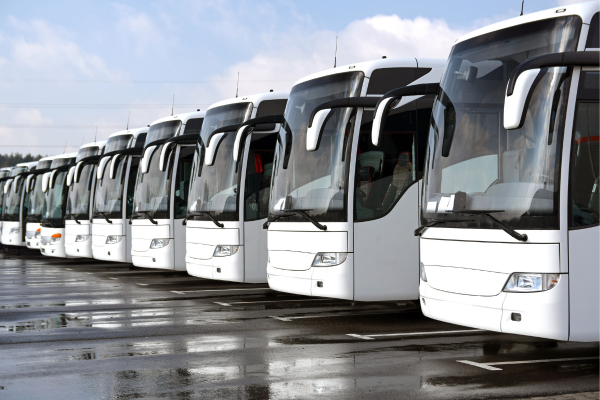
EMTev's initial electric bus portfolio includes a 12-metre electric seater coach configured to accommodate 45 passengers plus the driver. The vehicle uses a lithium iron phosphate battery with a total energy capacity of 423.9 kWh and is powered by a permanent magnet synchronous motor. According to the company, the bus has a stated range of up to 350 km and a top speed of up to 100 km per hour. It also features air suspension, electronic braking with electronic stability control and electro-hydraulic power steering. The battery uses liquid-cooling technology and the vehicle supports fast charging through a dual-gun configuration. EMTev has said both its 12-metre and 13.5-metre electric bus models have received type approval.
The electric bus programme is being developed around an integrated operating model that combines manufacturing with fleet deployment and after-sales support. EMTev said it is working on progressively localising electric vehicle components, with phased domestic sourcing and manufacturing intended to strengthen capabilities within the local supply chain. The company is also developing technology features including AI-enabled driver monitoring and blind-spot detection, while advanced driver assistance systems form part of its broader technology roadmap. Camera-based monitoring systems and a centralised control tower are being used to track vehicle and battery data. The immediate priority, according to the company, is to meet existing electric bus delivery commitments while establishing the infrastructure and service capabilities needed for a larger fleet.
The programme builds on the operating experience of YOLO Bus, EaseMyTrip's operating arm for intercity bus services, which runs conventional buses across several southern Indian markets. EMTev is now looking to extend this experience into electric intra-city and intercity transportation. The company has said its electric buses will focus on long-range battery technology, fast charging, safety systems and passenger comfort, while targeting lower operating costs. The Bhopal deployment provides an initial operating base as EaseMyTrip works towards its longer-term manufacturing objective. The company has not, in the material provided, specified the final location of a manufacturing facility or disclosed a detailed year-by-year production schedule for reaching the 5,000-bus annual target.
EaseMyTrip's expansion into electric buses adds manufacturing and fleet operations to its existing travel technology business under the Vision 2030 roadmap. The company said the planned 5,000-bus annual capacity is intended to support its longer-term expansion in electric commercial mobility, while localisation remains a key part of the strategy. The initial 12-metre coach is designed for intercity applications, and the company has indicated that its broader portfolio will cover both intra-city and intercity requirements. With the Bhopal rollout now underway, EMTev's focus is on scaling deliveries, strengthening operating and service infrastructure and developing domestic sourcing capabilities as it works towards its stated five-year manufacturing capacity target.


5th Nov, 2026

2nd Nov, 2026
31st Oct, 2026

23rd Oct, 2026

17th Oct, 2026

Advertisement








 Facebook
 Whatsapp

