Advertisement






The Gulf conflict has disrupted global supply chains, pushed...
REITs have changed the way commercial real estate is owned a...
What really powers the cloud? Behind every Google search, A...
What really powers the cloud? Behind every Google search, A...
Luxury real estate is one of the most talked-about segments ...
Sameera Group has announced a township development portfolio covering more than 2,500 acres across Tamil Nadu and other key markets, with more than 10 developments planned or underway. The group said the portfolio could create an economic potential of around INR 10,000 crore and more than one lakh potential employment opportunities. The developments are spread across locations such as East Tambaram, Poonamallee, Chengalpattu, Madurai, Kanchipuram, Trichy, Vellore, Tirunelveli, Rameswaram and Mumbai. The projects are planned as integrated communities combining residential, commercial and social infrastructure with healthcare, education, hospitality, senior living and other uses.
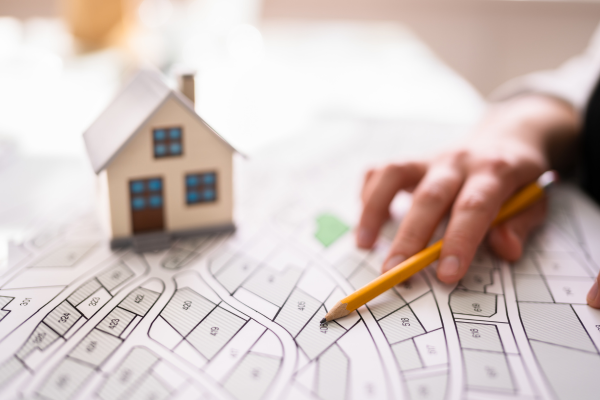
Sameera Group has announced a township development portfolio spanning more than 2,500 acres across Tamil Nadu and other growth markets in India. The group has more than 10 ongoing township developments across strategic locations and said the developments could create an economic potential of around INR 10,000 crore and more than one lakh potential employment opportunities.
The projects are being developed across major growth corridors and are intended to combine residential, commercial and social infrastructure within larger integrated communities. The individual developments range from around 32 acres to 350 acres.
The portfolio covers East Tambaram, Poonamallee, Chengalpattu, Madurai, Walajapet, Kanchipuram, Trichy, Vellore, Tirunelveli, Bagalur and Rameswaram in Tamil Nadu, along with Mumbai and other growth corridors. The group has not provided a project-wise breakup of the 2,500-plus acres or the projected economic value.
The proposed and ongoing townships include several types of development beyond housing. These include commercial spaces, senior living facilities, industrial parks, resorts, wellness facilities, wind farms, educational institutions, healthcare facilities and hotels.
Sameera Group said its township model is different from conventional residential projects because it seeks to bring multiple uses and supporting infrastructure within the same larger development. The objective is to create communities where residential areas are supported by commercial, social and lifestyle infrastructure.
The group’s current township portfolio builds on its wider real estate operations. According to information published by the company, Sameera Group has completed more than 50 projects and has more than 25 million square feet of ongoing development, while it lists more than 10 million square feet as upcoming. These figures are company-reported and cover its broader development activity rather than only the township portfolio.
The group said the larger township approach is intended to support organised development in areas where residential growth is accompanied by commercial activity, employment and supporting services. Its portfolio across locations outside the core Chennai market also indicates a focus on growth corridors and emerging urban and semi-urban locations.
Managing Directors Jayakumar Murugesan and Sandeep Kumar Murugesan said the group was looking to support the next phase of organised urban and semi-urban development across Tamil Nadu and South India. They said the developments were intended to provide spaces for people to live, work, learn, access healthcare, pursue recreation and build communities within planned environments.
Sameera Group is also present across other sectors including land bank generation, warehousing, education, hospitality and renewable energy. Its township portfolio brings several of these areas into larger development plans, including education, hospitality, healthcare and renewable energy-related infrastructure.
The scale and spread of the proposed developments will make infrastructure planning an important part of their execution. For large townships, the availability of roads, utilities, healthcare, education and other supporting facilities is closely linked to how these communities develop over time.
The group’s expansion therefore places its township plans within the broader growth of organised development beyond established city centres. As the projects progress, the extent to which the proposed infrastructure and mixed-use components are delivered will determine how these large land parcels evolve into functioning communities.
Source PTI



15th Nov, 2026




Advertisement








 Facebook
 Whatsapp

