Advertisement






The Gulf conflict has disrupted global supply chains, pushed...
REITs have changed the way commercial real estate is owned a...
What really powers the cloud? Behind every Google search, A...
What really powers the cloud? Behind every Google search, A...
Luxury real estate is one of the most talked-about segments ...
Japan’s Electric Power Development, known as J-Power, expects construction of its 1,383 MW Ohma nuclear power plant in Aomori prefecture to be delayed, potentially pushing back its planned 2030 start of operations. President Hideaki Kato attributed the expected delay to the complexity of construction planning. J-Power plans to set a revised target in its mid-term business strategy next spring. The company is also reviewing its plans to phase out inefficient coal-fired power plants by 2030 amid rising electricity demand from data centres.
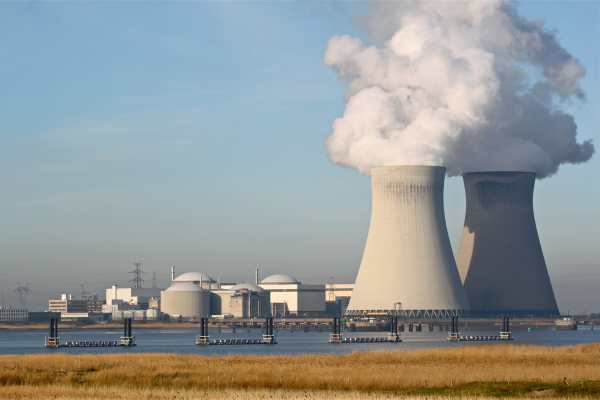
Japan’s Electric Power Development, known as J-Power, expects construction of its Ohma nuclear power plant in northern Japan to be delayed, potentially pushing back its planned start of operations in 2030, company president Hideaki Kato said on September 15.
The 1,383-megawatt nuclear plant in Aomori prefecture was initially scheduled for completion in 2029, followed by the start of operations in 2030. Kato said the timetable was likely to slip because of the complexity involved in planning construction.
J-Power plans to announce a new mid-term business strategy next spring that will include a revised target start date for the Ohma plant. The strategy is also expected to set out revised plans for the company's coal-fired power generation portfolio.
Kato identified the anticipated timetable for Ohma as one of the most significant issues expected to feature in the new strategy. He also pointed to the company's plans for coal-fired generation as another key area requiring revision.
Construction of the Ohma plant began in May 2008 but was suspended following the March 2011 earthquake and the Fukushima nuclear disaster. Preparatory work resumed in 2012, and J-Power is currently proceeding with the application process for regulatory approval under Japan's stricter nuclear safety regulations introduced following the disaster.
Ohma is an advanced boiling water reactor designed to be capable of using mixed-oxide (MOX) fuel throughout its entire core. If completed as planned under its revised schedule, it would be the world's first nuclear power plant designed for full-core MOX fuel use.
Alongside the nuclear project, J-Power is reviewing its plans for coal-fired generation. The company has retained its goal of achieving carbon neutrality by 2050, but Kato said it may revise the 2024 roadmap that called for phasing out inefficient coal-fired power plants by 2030.
Rising electricity demand from data centres could influence the timing of the coal plant closures, according to Kato. He said the company may find it preferable to operate some of the plants for longer in response to increased demand for electricity.
J-Power's plan to convert its Matsushima coal-fired power plant into a lower-carbon facility has also been delayed. Kato cited rising construction costs, labour shortages and longer lead times for gas turbines as factors affecting the project.
Outside Japan, J-Power is seeking gas-fired power projects in Asia supported by long-term power purchase agreements. The company also plans to expand large-scale solar projects, responding to demand from major companies in the US and Australia for carbon-free renewable electricity.
The expected delay to Ohma and changes to J-Power's coal strategy are therefore set to form key elements of the company's next mid-term business plan, which is scheduled to be unveiled next spring.
Source Reuters

17th Nov, 2026

15th Nov, 2026

15th Nov, 2026
15th Nov, 2026

15th Nov, 2026


13th Nov, 2026

Advertisement








 Facebook
 Whatsapp

