Advertisement






The Gulf conflict has disrupted global supply chains, pushed...
REITs have changed the way commercial real estate is owned a...
What really powers the cloud? Behind every Google search, A...
What really powers the cloud? Behind every Google search, A...
Luxury real estate is one of the most talked-about segments ...
The upcoming Vadodara station on the Mumbai-Ahmedabad high-speed rail corridor is being designed as an integrated transport point connecting bullet train services with the existing railway and city bus networks. The elevated station will be constructed above the existing Vadodara railway station, allowing passengers to transfer between conventional and high-speed rail services within the same complex. Three foot overbridges will connect the new station with existing railway infrastructure. The arrangement is expected to simplify passenger transfers while strengthening Vadodara’s connectivity with the wider city and regional transport network.
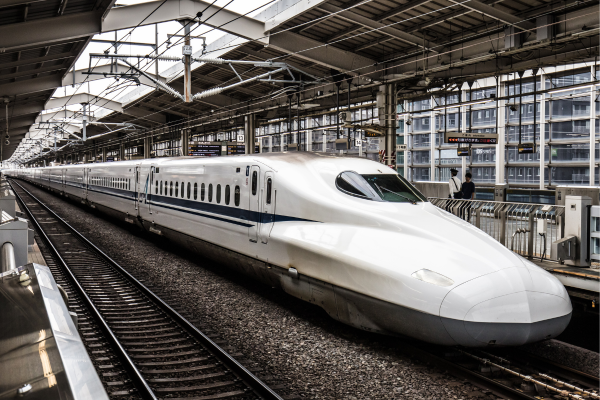
The Vadodara station on the Mumbai-Ahmedabad high-speed rail corridor is being developed with direct integration into the city’s existing railway infrastructure, allowing passengers to move between conventional train services and the future high-speed rail system without requiring a separate journey to another part of the city.
The elevated bullet train station is being built above the existing Vadodara railway station, creating a direct physical connection between the two rail systems. This location is intended to make interchange more convenient for passengers arriving by conventional trains and transferring to high-speed services. The station’s position within the existing railway complex also gives it access to established road and public transport connections around the railway station.
Passenger movement between the two railway facilities will be supported by three foot overbridges. These connections are expected to provide dedicated pedestrian movement between the high-speed rail station and the existing railway infrastructure, reducing the need for passengers to leave the station complex when changing services.
The station is also being planned as part of a wider multimodal transport arrangement. In addition to integration with Indian Railways, the facility is expected to connect with Vadodara’s bus network, giving passengers an additional option for reaching different parts of the city. Such integration is intended to make the high-speed rail service more accessible beyond passengers travelling exclusively by train.
The design of the station incorporates passenger facilities intended for high-speed rail operations, while its elevated configuration allows the new infrastructure to be accommodated within a heavily used existing railway location. The arrangement is particularly significant for Vadodara because the station will serve as an interface between a new high-speed transport system and the city's established railway network.
The Vadodara station is part of the Mumbai-Ahmedabad high-speed rail corridor being implemented by the National High Speed Rail Corporation Limited. The corridor is designed to introduce high-speed passenger rail connectivity between Mumbai and Ahmedabad, with stations planned at key locations across Gujarat and Maharashtra. Vadodara’s integration with the existing railway network reflects the broader approach of placing several high-speed rail stations close to established transport infrastructure.
For Vadodara, the station could therefore have implications beyond reducing travel time on the high-speed corridor. By bringing high-speed rail, conventional railway services and city bus connectivity together, the project is expected to strengthen interchange between different modes of transport and improve access to the wider urban area. The planned connections will also allow passengers from surrounding areas to use the existing rail network as part of their journey to the high-speed service.



11th Nov, 2026
21st Oct, 2026

19th Oct, 2026

Advertisement








 Facebook
 Whatsapp

