Advertisement






The Gulf conflict has disrupted global supply chains, pushed...
REITs have changed the way commercial real estate is owned a...
What really powers the cloud? Behind every Google search, A...
What really powers the cloud? Behind every Google search, A...
Luxury real estate is one of the most talked-about segments ...
Tamil Nadu has unveiled plans for a dedicated Motor Sports City in Chennai alongside a world-class Olympic City, marking a major proposed expansion of the state’s sports infrastructure. The Motor Sports City is expected to include an international-standard racing circuit, supporting infrastructure and training facilities capable of hosting Formula 1, Formula 2, Formula 3 and Formula 4 events. The initiative also aims to develop young motorsport talent and attract automobile and motorsport-related businesses. Separately, the proposed Olympic City will provide high-performance training, sports science, medical and accommodation facilities for athletes and coaches.
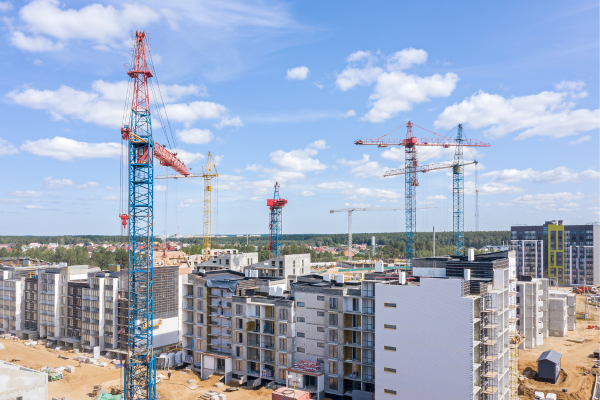
Tamil Nadu is planning a dedicated Motor Sports City in Chennai as part of a wider push to strengthen the state's sports infrastructure and position the city as a destination for major international sporting events. The proposed Motor Sports City is expected to include an international-standard motorsports complex, racing infrastructure and training facilities. The planned circuit is intended to support Formula 1, Formula 2, Formula 3 and Formula 4 competitions, creating a dedicated venue for professional racing and related activities.
The project is also being positioned as a platform for developing motorsport talent within the state. Training facilities are expected to provide young drivers and other motorsport participants with opportunities to build their skills and gain experience. The broader objective is to create a pipeline of athletes who can compete at national and international levels.
The proposed development could also have implications beyond sporting events. Tamil Nadu has a significant automobile manufacturing and engineering ecosystem, particularly around Chennai, and the Motor Sports City is expected to create opportunities for closer links between motorsport, vehicle manufacturing, technology and specialised automotive businesses.
The government has also identified tourism and employment as potential benefits from the development. International racing events can attract spectators, teams, technical personnel and other visitors, generating demand across hospitality, transportation, retail and other supporting sectors. A permanent motorsports facility could also enable the state to host a wider range of racing and automotive events throughout the year.
The announcement comes at a time when efforts are under way at the national level to explore the return of Formula 1 to India. The Union sports ministry has constituted a task force to examine motorsports, while the Federation of Motor Sports Clubs of India has been advocating for the return of Formula 1 and the hosting of other major international events, including MotoGP and the World Rally Championship.
The proposed Chennai facility could therefore form part of a larger national motorsports ecosystem if the plans progress and India secures international racing events in the coming years. However, details such as the project's exact location, land requirement, investment, construction schedule and delivery model have yet to be fully outlined.
Alongside the Motor Sports City, Tamil Nadu has announced plans for a separate Olympic City in Chennai. The proposed facility is intended to provide athletes with international-standard sporting infrastructure, including modern arenas and advanced training facilities.
The Olympic City is expected to include a High Performance Training Centre as well as dedicated sports science and sports medicine facilities. Accommodation for sportspersons and coaches is also planned, allowing athletes to train and prepare at an integrated campus.
The objective is to create a stronger support system for athletes from Tamil Nadu and improve their prospects of competing at national and international events. By bringing training, sports science, medical support and accommodation together, the proposed facility could reduce the need for athletes to rely on fragmented infrastructure.
Together, the two proposals represent an attempt to broaden Chennai's role in sports beyond its established sporting disciplines. While the Olympic City would focus on athlete development across multiple sports, the Motor Sports City would create specialised infrastructure for racing and associated industries.
The scale and impact of both projects will ultimately depend on their detailed plans, funding arrangements and implementation timelines. If developed as proposed, they could add a new layer to Chennai's urban infrastructure while strengthening Tamil Nadu's ambitions in international sports and motorsport.
17th Nov, 2026


15th Nov, 2026

14th Nov, 2026



13th Nov, 2026
Advertisement








 Facebook
 Whatsapp

