Advertisement






The Gulf conflict has disrupted global supply chains, pushed...
REITs have changed the way commercial real estate is owned a...
What really powers the cloud? Behind every Google search, A...
What really powers the cloud? Behind every Google search, A...
Luxury real estate is one of the most talked-about segments ...
Large apartment communities across Karnataka, including Bengaluru, have been given 15 days to comply with pollution-control norms and ensure their sewage treatment plants (STPs) are fully operational, with the Karnataka State Pollution Control Board (KSPCB) setting the deadline following a review of pollution levels and sewage treatment infrastructure across the state. Apartment complexes that fail to comply could face criminal action, as authorities step up efforts to curb untreated sewage being discharged into lakes, rivers and other waterbodies. Industrial clusters have separately been given a longer window of three to six months to establish or restore treatment facilities.
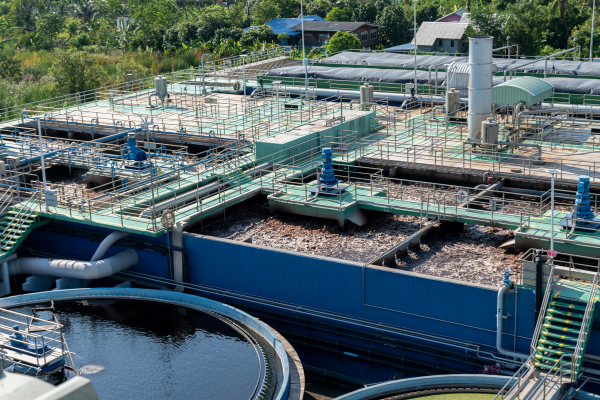
Large apartment communities across Karnataka, including Bengaluru, have been given 15 days to comply with pollution-control norms and ensure their sewage treatment plants are fully operational, as the state government steps up action against untreated sewage being discharged into lakes, rivers and other water bodies.
The Karnataka State Pollution Control Board (KSPCB) set the deadline following a review of pollution levels and the status of sewage treatment infrastructure across the state. Apartment complexes found to be in violation of pollution-control norms could face criminal action, officials said, as authorities move to tighten enforcement of existing STP requirements.
Environment and Ecology Minister Ramalinga Reddy has directed officials to inspect apartment complexes across the state and initiate action against those found violating the norms. Since the state does not currently maintain a complete and exact database covering all apartment complexes required to have STPs, scientific officers have been directed to conduct surveys of buildings with more than 80 units and examine records relating to the operation of existing sewage treatment plants.
Under prevailing KSPCB norms, apartment complexes with more than 20 residential units, or a built-up area of 2,000 square metres or more, are required to install an STP and utilise the treated water within the premises. In Bengaluru alone, an estimated 3,500 apartment complexes fall under this requirement, though the board has previously acknowledged inconsistencies in its own data on the exact number of operational STPs and apartments across the city, complicating enforcement efforts.
Compliance and enforcement of STP norms in the state have faced persistent challenges. KSPCB officials have previously cited a significant manpower shortage as a key constraint, with the board reportedly functioning at around 40 per cent of its sanctioned staff strength in earlier years, hindering regular inspection of installed treatment plants. Penalties for non-compliance under existing guidelines have included a flat fine of INR 5 lakh for apartments found operating faulty STPs, and fines as high as INR 3 crore for properties that have not installed an STP at all.
The state government's latest push is not confined to residential complexes. Industrial clusters have been given a longer compliance window of three to six months to install and operationalise sewage treatment plants or restore existing facilities that have fallen into disrepair. Of the 187 industrial layouts developed across the state by the Karnataka Industrial Areas Development Board (KIADB), only 11 currently have functioning STPs, according to officials. The KSPCB has been directed to issue formal notices to KIADB and provide the same three-to-six-month window for establishing new treatment facilities or restoring existing ones at these industrial sites.
The broader enforcement drive is linked to Karnataka's wider efforts to curb air and water pollution under national initiatives, including the National Clean Air Programme and the National River Conservation Plan, with industrial areas identified as a particular focus for improving pollution control outcomes going forward.
The current push follows a pattern of periodic, more localised enforcement actions taken by the KSPCB in previous years, including notices issued to apartment complexes situated around lakes such as Bellandur, Varthur and Subramanyapura, where untreated sewage discharge had contributed to frothing and pollution of these urban waterbodies. In some of these earlier cases, the board had similarly threatened criminal action against apartment owners who failed to install or properly operate their STPs within stipulated timeframes.
The report did not specify the total number of large apartment complexes expected to be covered under the current 15-day compliance drive, nor did it detail the specific criminal provisions that would be invoked against non-compliant complexes once the deadline lapses.


16th Nov, 2026


14th Nov, 2026

13th Nov, 2026

13th Nov, 2026

13th Nov, 2026


Advertisement








 Facebook
 Whatsapp

