Advertisement






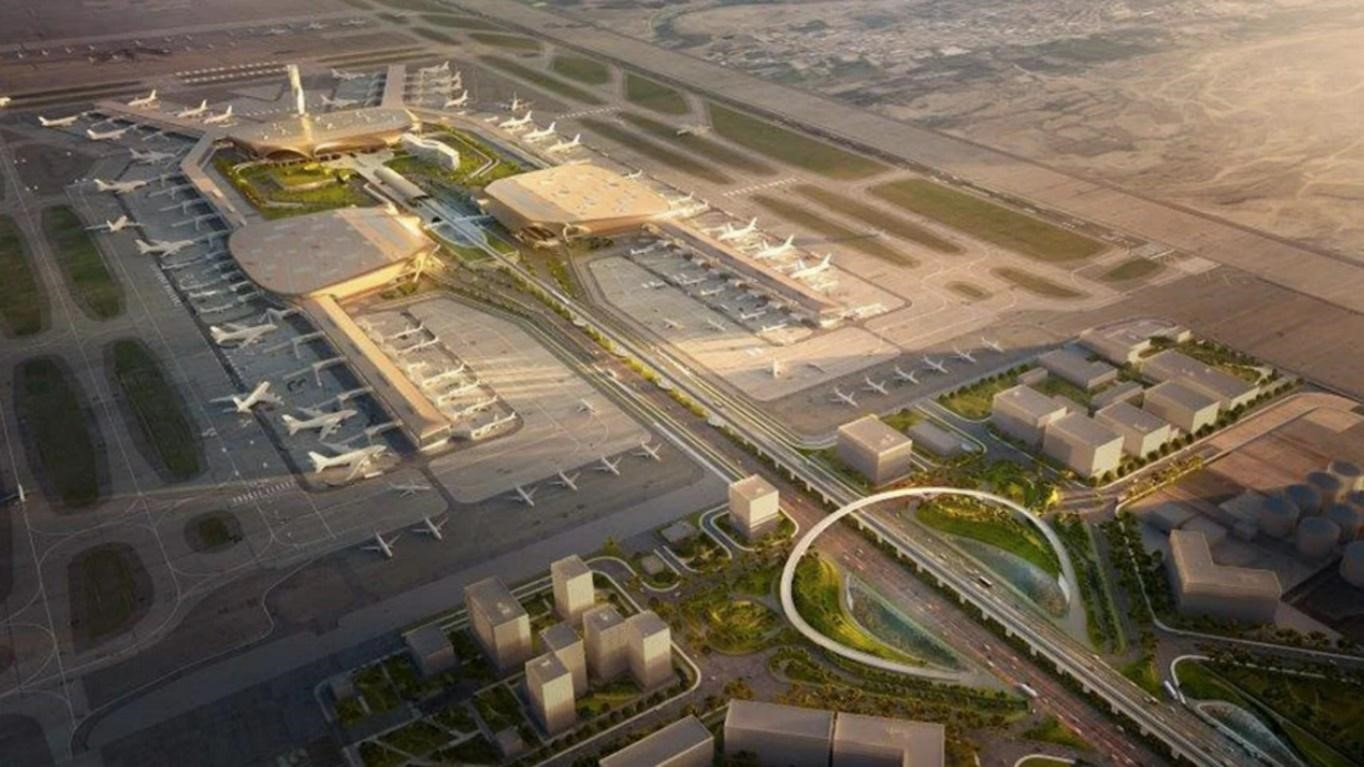
The Navi Mumbai International Airport (NMIA), set to be inaugurated by PM Modi on October 8, 2025, marks a defining moment in India's infrastructure journey. Developed by Adani Airports and CIDCO, NMIA will boost connectivity, ease congestion at Mumbai Airport, and drive economic and real estate growth across Panvel, Ulwe, Taloja, and beyond. Supported by projects like the Atal Setu, the Alibaug-Virar Multimodal Corridor, and the new metro and rail links, the region is transforming into a high-potential investment hub. Experts expect property prices to rise 20-25% in key micro-markets, cementing Navi Mumbai's position as India's next major urban and real estate powerhouse.Read more
India has inaugurated its first 3D concrete-printed rural house at the Central Building Research Institute (CBRI) in Roorkee, Uttarakhand, under the Pradhan Mantri Awaas Yojana-Gramin (PMAY-G). Built in under a week at an estimated cost of INR 1.8 lakh using eco-friendly cement mixes that incorporate fly ash and bagasse ash, the prototype offers a fast, affordable, and sustainable housing solution. Combining traditional knowledge with advanced 3D printing technology, the model provides durability, scalability, and essential amenities, setting a precedent for future rural housing projects.Read more

India's office leasing across nine major cities fell 2.5 per cent in the July-September quarter to 19.9 million square feet, mainly due to lower demand in southern markets. Bengaluru, Hyderabad, and Chennai experienced significant declines, while Delhi-NCR, Mumbai, and Pune recorded notable growth. Kochi also showed improvement, and Kolkata remained stable. Fresh office space supply slightly dipped. The market's recovery since 2022 has been supported by foreign firms establishing Global Capability Centers and rising interest in co-working spaces, reflecting shifting corporate leasing trends across regions.Read more

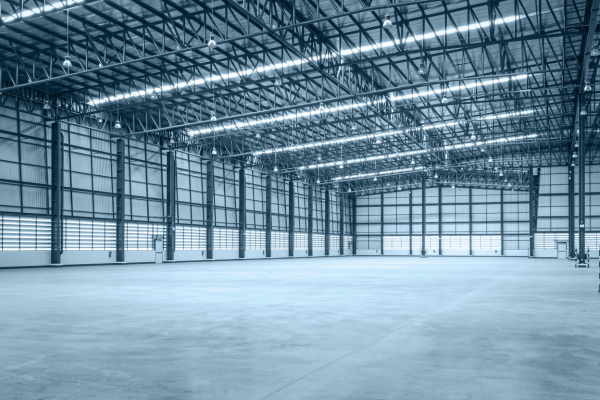
Leasing of industrial and warehousing spaces in India saw a 22% increase year-on-year during the July-September period, driven by strong demand from the manufacturing sector, e-commerce firms, and third-party logistics (3PL) operators, according to Savills India. Tier-I cities dominated the activity, contributing 84% of leased space, while Tier-II and III cities accounted for the remainder. Total leasing for the first nine months of 2025 reached 55.3 million sq ft, marking a 23.4% increase from last year, while new supply also grew steadily, reflecting continued confidence in the industrial real estate market.Read more
Housing prices in Delhi-NCR recorded a substantial annual increase of 24 per cent during the July-September period, driven by high demand for luxury residences and well-planned lifestyle projects, according to real estate consultant Anarock. The average price in the region rose to INR 8,900 per sq ft from INR 7,200 per sq ft last year. Among seven major Indian cities, Delhi-NCR witnessed the highest growth, while Mumbai remained the costliest market. Experts attribute this rise to enhanced infrastructure, growing affluence, and changing buyer preferences prioritising quality living spaces and modern amenities.Read more

Advertisement


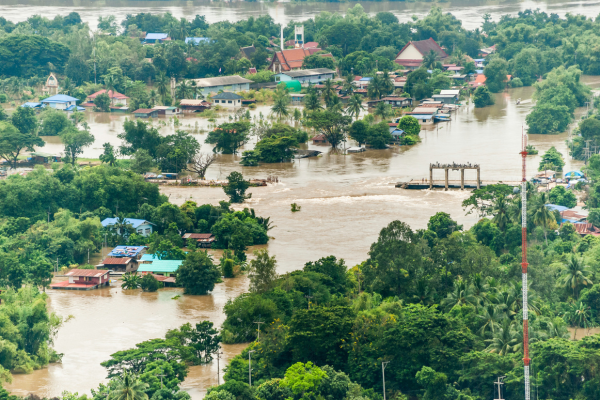
Heavy rains in Nepal have triggered deadly landslides and flash floods, killing at least 47 people since Friday and leaving several missing, officials said. The worst-hit area, Ilam district in eastern Nepal, reported 35 deaths, while nine people remain missing and three others were killed by lightning. Across the border in India's Darjeeling, seven people died in landslides. Roads and bridges have been washed away, stranding hundreds, while domestic flights remain disrupted though Kathmandu's international airport is operational. The Koshi River is flowing above danger levels, forcing authorities to open all 56 sluice gates of the Koshi Barrage. Officials warned that rains may continue until Monday as rescue efforts persist.Read more
Housing sales across Mumbai Metropolitan Region (MMR) and Pune declined during the July-September quarter, with transactions falling 17 per cent to 49,542 units compared with the same period last year, according to PropEquity. Thane recorded the sharpest fall, while Mumbai city and Navi Mumbai witnessed moderate declines. Pune also saw reduced demand. Industry body CREDAI-MCHI maintained that the drop was a temporary recalibration and expressed confidence that the festive season would restore sales momentum, backed by infrastructure upgrades and strong end-user demand.Read more

Leasing in the Delhi-NCR office space market has grown sharply, with net leasing rising 2.5 times during the July-September period compared to last year. The region accounted for 23 per cent of total net leasing across the top eight cities, where net leasing overall rose 35 per cent. With 44.3 million square feet of net absorption in the first nine months of 2025, the market has nearly matched last year's total. The rise is driven by corporates expanding into premium Grade-A+ spaces, including GCCs and start-ups, marking India as a core market for global operations.Read more

The Reserve Bank of India (RBI) maintained the repo rate at 5.5% earlier this week, a decision seen as a stabilising measure for the housing sector at a crucial time when festive-season demand is at its peak. With GDP growth revised upwards to 6.8% for FY26, experts suggested that the status quo on borrowing costs, combined with the rationalisation of GST and recent government measures, would sustain buyer confidence. Despite ongoing global trade tensions and tariff-related uncertainties, industry leaders believed the move would encourage both homebuyers and developers to plan with greater certainty.Read more

Real estate bodies CREDAI and NAREDCO have urged the Reserve Bank of India to reduce the repo rate in its upcoming policy to stimulate residential demand, particularly in the affordable housing segment. They said banks must pass on earlier cuts to both new and existing borrowers. The RBI had kept the repo rate unchanged at 5.5 per cent this week, following a cumulative 100-basis-point reduction since February. The industry groups added that sales in the top seven cities have slowed due to price hikes and a higher base effect.Read more

Advertisement