Advertisement






The Gulf conflict has disrupted global supply chains, pushed...
REITs have changed the way commercial real estate is owned a...
What really powers the cloud? Behind every Google search, A...
What really powers the cloud? Behind every Google search, A...
Luxury real estate is one of the most talked-about segments ...
An Alberta landowner advocacy group has urged farmers and ranchers to withhold consent and refuse new surface leases for oil and gas development, citing concerns over abandoned wells, delayed site reclamation and unpaid municipal taxes. The Alberta Surface Rights Federation says companies must seek legal right-of-entry orders if landowners do not consent to access their properties. The move comes as provincial and federal governments seek to expand oil production and pipeline infrastructure, highlighting growing tensions between energy development and rural landowners in the province.
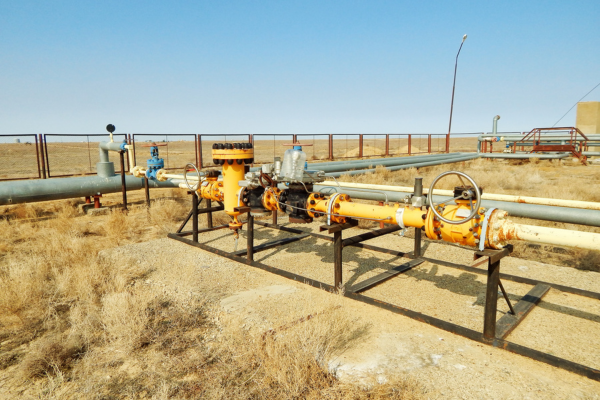
An Alberta landowner advocacy organisation has urged farmers and ranchers to actively resist new oil and gas development on their properties by withholding consent and refusing to sign new surface leases. The move highlights growing tensions between the energy industry and rural residents in Canada's main oil-producing province.
The Alberta Surface Rights Federation said in a letter to Premier Danielle Smith on Thursday that landowners should resist further development until governments address orphan and abandoned wells, delayed reclamation and unpaid municipal taxes owed by oil and gas companies.
Federation president Bill Heidecker said the organisation was not opposed to responsible energy development, describing himself as a conservative rancher. However, he said support for the industry had eroded sharply in rural Alberta, partly because the province had struggled to manage thousands of orphan wells.
Heidecker said the federation was not asking landowners to physically prevent energy companies from entering their properties. Instead, it is advising them to withhold consent and decline to sign new surface leases. Without consent, companies seeking to develop mineral resources must apply for a legal right-of-entry order.
The position reflects Alberta's division between surface and mineral rights. Landowners generally hold surface rights, allowing them to farm their properties and use resources such as trees, gravel and water. Mineral rights are largely owned by the provincial government, which leases them to energy companies. Those companies can then seek access to private land to extract resources.
The federation's intervention comes as the federal government and Alberta seek to increase domestic oil production amid an escalating trade dispute with the United States. Prime Minister Mark Carney has advocated expanding output, developing new pipelines and securing additional markets for Canadian energy. The landowners' opposition could complicate those ambitions in rural Alberta.
Heidecker said Alberta should address energy infrastructure liabilities and environmental regulation before advancing its proposed Pacific Link pipeline. The project is designed to carry up to one million barrels of oil per day and expand Canada's west coast export capabilities, potentially supporting further production growth in the province.
Concerns over abandoned wells have also moved into the courts. In September, a group of landowners launched legal action arguing that Alberta's energy regulator had chronically and knowingly underfunded a programme intended to protect the public from the cost of cleaning up abandoned oil and gas wells.
Studies have identified risks from abandoned wells, including methane leakage and soil and groundwater contamination, alongside the financial burden of remediation. Rural residents are also concerned about newer forms of energy development, including lithium mining and electricity generation for artificial intelligence data centres and bitcoin mining, Heidecker said.
The federation's call comes amid debate over whether economic growth is being prioritised over environmental rules and regulatory obligations. Neither the Alberta government nor the federal government immediately responded to requests for comment.
Carney remains popular in Alberta, where his outreach to the oil sector may have helped quell a non-binding separatism referendum last month.
Source- Reuters

17th Nov, 2026

17th Nov, 2026

16th Nov, 2026
10th Nov, 2026

8th Nov, 2026


Advertisement








 Facebook
 Whatsapp

